The Battle for Reproductive Healthcare: Supreme Court Faces New Showdown Over Mail-Order Abortion Pills

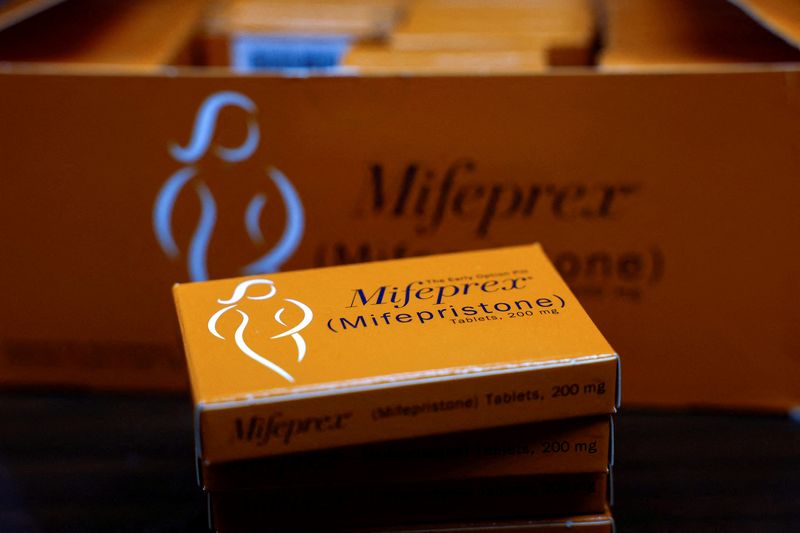
In the shifting landscape of American reproductive healthcare, a familiar but intensified legal battle has reached the steps of the U.S. Supreme Court. As of 2026, the question of whether medication abortion can be distributed via mail remains a flashpoint for constitutional debate, federal regulatory authority, and patient access. Following a series of volatile rulings, pharmaceutical manufacturers Danco Laboratories and GenBioPro have officially petitioned the high court to intervene and restore mail-order access to mifepristone.
This emergency appeal follows a restrictive ruling from the 5th U.S. Circuit Court of Appeals, which temporarily halted the distribution of the drug through the mail. This decision has sparked widespread concern among medical professionals and patients alike, as it threatens to upend the standard of care for millions of Americans who rely on medication abortion—a method that now accounts for approximately two-thirds of all abortions performed in the United States.
The Legal Tug-of-War: Why Mail-Order Access Matters
At the heart of the current legal crisis is the FDA’s authority to regulate pharmaceuticals. Since the landmark decision to lift in-person dispensing requirements in 2023, the FDA has maintained that mifepristone is a safe and effective component of a two-drug regimen used to terminate pregnancies within the first 10 weeks.
However, Republican-led states, spearheaded by Louisiana, have challenged this regulatory stance. They argue that the FDA failed to properly weigh the risks of adverse events, such as hemorrhaging or sepsis, when it authorized the expansion of access. This legal friction has created a patchwork of regulations that varies significantly from state to state, creating a climate of uncertainty for both providers and patients.
The Impact of the 5th Circuit Ruling
The appellate court’s decision to pause mail-order access has been described by pharmaceutical manufacturers as a catalyst for “immediate confusion and upheaval.” By forcing a return to in-person requirements, the ruling effectively invalidates telehealth appointments for patients in states where the practice was previously permitted.
For patients living in rural areas or states with strict abortion bans, the ability to receive medication by mail has been a vital lifeline. The current legal blockage forces these individuals to navigate an increasingly complex and often prohibitive landscape to access essential medical care.
Medication Abortion and the Modern Healthcare Landscape
Medication abortion, involving the use of mifepristone and misoprostol, has become the most common method for pregnancy termination in the U.S. Because the regimen is non-invasive and can be managed in the privacy of one’s home, it has been the primary target for anti-abortion advocacy groups and state-level legislative action.
The Role of Manufacturers
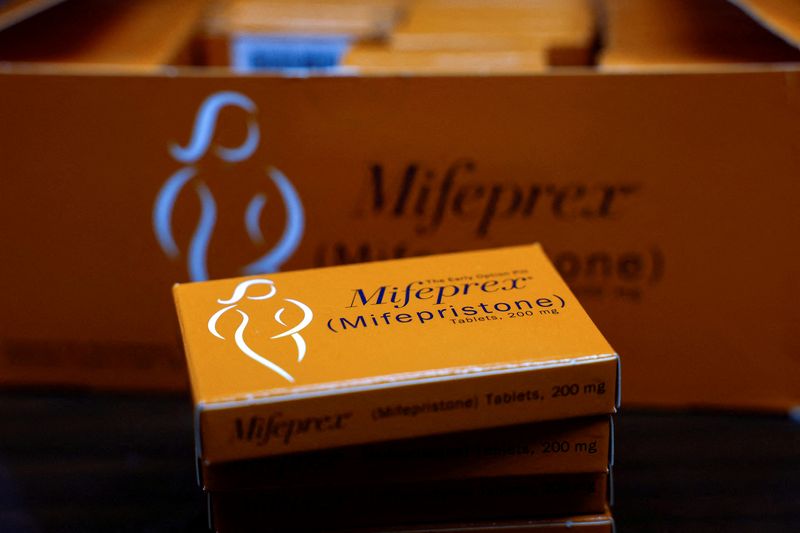
Danco Laboratories, the maker of Mifeprex, and GenBioPro, which supplies a generic version, have been forced to take an active role in these lawsuits. Their intervention is not merely a business move; it is a defense of the FDA’s regulatory integrity. If the courts successfully override the FDA’s scientific judgment, it could set a dangerous precedent for the approval and distribution of other medications, potentially destabilizing the entire pharmaceutical industry’s reliance on federal oversight.
Regulatory Stability: Manufacturers argue that the courts should not substitute their judgment for the scientific expertise of the FDA.
Patient Autonomy: The ability to access care via telehealth and mail-order ensures that time-sensitive medical decisions can be made without unnecessary barriers.
Evidence-Based Healthcare: Both companies emphasize that their products are backed by years of clinical data and real-world safety evidence.
The Broader Political Context of 2026
The legal challenges surrounding mifepristone are inextricably linked to the political climate of 2026. With the memory of the overturned Roe v. Wade decision still defining the American social fabric, the issue has become a litmus test for both major political parties.
While the Trump administration has signaled an intent to review the safety of mifepristone, critics point out that such reviews are often politically motivated and designed to delay access rather than address genuine safety concerns. The involvement of states like Missouri, Kansas, and Idaho in ongoing litigation highlights the persistent, coordinated effort to limit abortion access nationwide.
The Question of Standing
One of the most complex aspects of these lawsuits is the concept of “legal standing.” In previous challenges, the Supreme Court has indicated that certain medical groups and doctors lacked the necessary standing to sue because they could not prove they had been directly harmed by the FDA’s policies. However, as states continue to take over these cases, the legal arguments have evolved, making it harder for the high court to dismiss the challenges on procedural grounds alone.
What Lies Ahead: The Supreme Court’s Role
The Supreme Court now holds the power to provide clarity in a moment of national confusion. By deciding whether to restore mail-order access, the justices will effectively signal how much deference they are willing to grant the FDA in the post-Dobbs era.
If the court sides with the manufacturers, it would be a significant victory for reproductive rights advocates and would likely stabilize the medication abortion market for the immediate future. Conversely, if the court upholds the restrictions, it would likely trigger a wave of new state-level bans and further restrict the options available to millions of women.
Key Takeaways for Patients and Providers
Stay Informed: Regulations are currently in flux; patients should consult with legal organizations or local clinics to understand their current options.
Telehealth Status: Check state-specific laws, as the legality of telehealth abortion services is currently being contested in multiple jurisdictions.
The Regulatory Future: The outcome of this case will likely impact not just abortion access, but the future of how the FDA regulates controversial or politically sensitive medications.
Conclusion
The petition to the Supreme Court by Danco Laboratories and GenBioPro represents a critical chapter in the ongoing struggle over bodily autonomy in the United States. As the legal system grapples with these high-stakes questions, the impact on everyday healthcare remains profound. Regardless of the final ruling, the conversation surrounding mifepristone serves as a stark reminder of the fragile state of reproductive healthcare in the modern era and the immense influence that judicial decisions hold over the most personal aspects of human life.
As we look toward the remainder of 2026, all eyes remain on the Supreme Court. The decisions made in these chambers will not only dictate the availability of a single medication but will also define the boundaries of federal authority and the future of healthcare access for a generation.