The End of an Era: Spirit Airlines Ceases Operations After Failed $500M Bailout

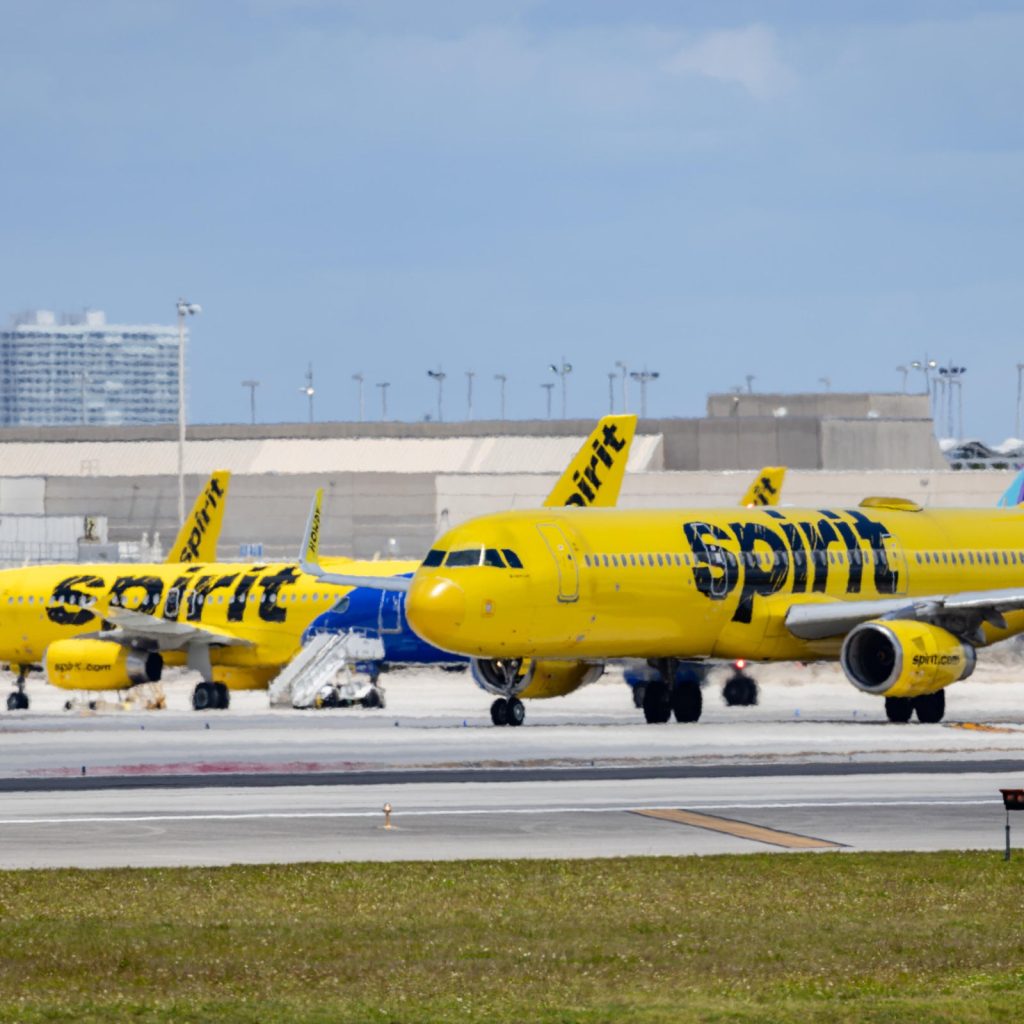
The aviation industry witnessed a historic collapse this Saturday morning as Spirit Airlines, the pioneer of the “no-frills” flying model in the United States, officially announced an immediate wind-down of all operations. This decision, marking Spirit Airlines shutting down after failed effort at government rescue deal, signifies the final chapter for the Florida-based carrier after months of intense financial volatility, two separate airline bankruptcy proceedings since 2024, and a desperate, failed attempt to secure a $500 million federal aid package from the Trump administration.
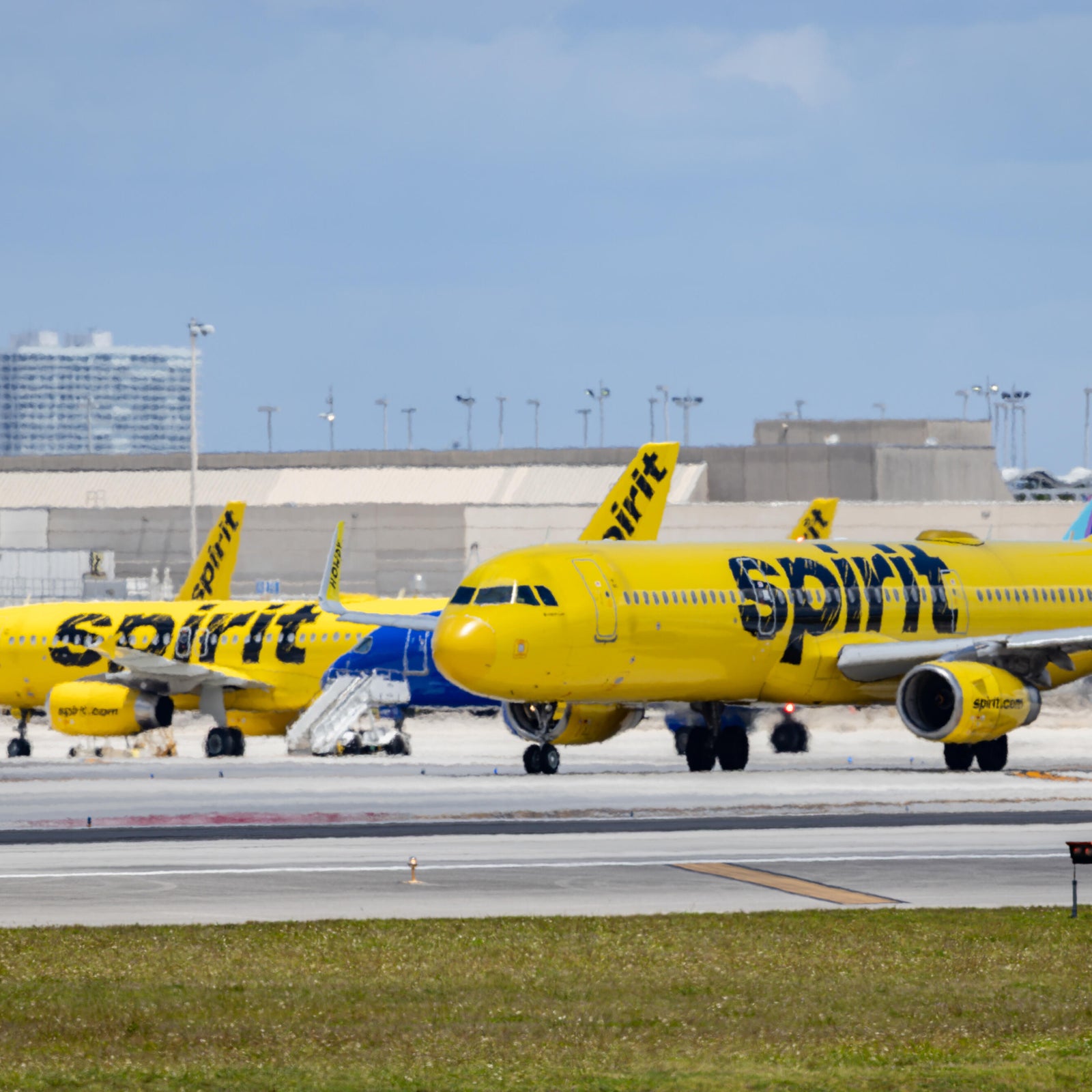
For millions of travelers, the bright yellow planes that once defined low-cost air travel will no longer grace the tarmac. With the company shuttering its doors, a direct consequence of Spirit Airlines shutting down after failed effort at government rescue deal, the landscape of U.S. domestic aviation has fundamentally shifted, creating significant aviation market disruption and leaving a void in the budget travel sector that competitors are already scrambling to fill amidst heightened budget airline competition.
The Final Flight: Why Spirit Airlines Collapsed
Spirit’s demise, culminating in Spirit Airlines shutting down after failed effort at government rescue deal, was not a singular event but rather the result of a “perfect storm” of economic pressures. After struggling for years, the airline’s financial health deteriorated rapidly in early 2026, highlighting the inherent ultra-low-cost carrier model challenges. The primary catalyst for this final breakdown was the global energy crisis triggered by the ongoing Iran war.
As jet fuel prices soared to unprecedented levels, Spirit’s business model—built on ultra-low fares and razor-thin margins—became unsustainable. Despite aggressive cost-cutting measures in 2025, which included the elimination of 4,000 jobs and the cancellation of 200 underperforming routes, the carrier could not keep pace with its ballooning operational costs.
The Failed Government Rescue Attempt
In a last-ditch effort to save the company, Spirit leadership entered high-stakes negotiations with the Trump administration for a $500 million bailout. The proposal, which would have granted the U.S. government a 90% equity stake in the airline, was seen as a potential lifeline. However, the federal aid package deal collapsed, ultimately leading to Spirit Airlines shutting down after failed effort at government rescue deal, due to a combination of factors:
Bondholder Opposition: Major creditors, including firms like Citadel and Ares Management Corp., reportedly blocked the terms of the restructuring, following intense creditor negotiations and viewing the risk as too high given the airline’s debt load, thereby contributing to Spirit Airlines shutting down after failed effort at government rescue deal.
Lack of White House Commitment: While President Trump initially expressed interest in the deal, he emphasized that it would only proceed if it represented a “good deal” for the country. Ultimately, the administration chose not to intervene, a critical factor in Spirit Airlines shutting down after failed effort at government rescue deal.
- Cash Flow Crisis: Spirit failed to unlock the $240 million in restricted cash necessary to maintain daily operations, leaving the company with no liquidity to continue flying.
What This Means for Spirit Passengers
The sudden announcement of Spirit Airlines shutting down after failed effort at government rescue deal has left thousands of travelers in limbo. Spirit Airlines has officially advised that all flights are cancelled immediately, resulting in a full fleet grounding, and that passengers should not head to the airport.
For those holding tickets, the company has stated that it will automatically process refunds for flights purchased via credit or debit cards. However, the sheer volume of cancellations is expected to create significant logistical challenges concerning passenger rights and refunds. The airline has launched a dedicated portal on its website to manage customer inquiries and provide updates on the refund process.
The Impact on the Aviation Market
The loss of Spirit Airlines, a direct result of Spirit Airlines shutting down after failed effort at government rescue deal, is a massive blow to the “ultra-low-cost carrier” (ULCC) segment. Since its pivot to a no-frills model in 2007, Spirit had become a staple for budget-conscious families and travelers.
Industry analysts suggest that the market will likely see a short-term spike in ticket prices as the remaining major carriers absorb the capacity previously served by Spirit’s 40+ destination network, potentially leading to further airline industry consolidation. With the primary hub at Fort Lauderdale-Hollywood International Airport now effectively idle, the regional economy in South Florida is also expected to face significant headwinds as thousands of employees—including the remaining 2,000 pilots and 3,000 flight attendants—face uncertainty.
A Legacy of “No-Frills” Innovation
To understand the magnitude of this news, one must look at the roots of the company. Founded in 1983 as Charter One, the airline rebranded as Spirit in 1992 and spent decades disrupting the legacy airline model. By unbundling fares and charging for everything from carry-on bags to snacks, Spirit forced the entire industry to rethink how they priced air travel.
While critics often pointed to the airline’s customer service reputation, there is no denying that Spirit’s existence kept ticket prices competitive for the average American. The rise and fall of the company, culminating in Spirit Airlines shutting down after failed effort at government rescue deal, serves as a cautionary tale about the volatility of the airline industry, where even the most aggressive cost-cutting strategies cannot always survive the pressures of global energy markets and geopolitical instability, especially given the inherent ultra-low-cost carrier model challenges.
Looking Ahead: The Future of Budget Travel
The collapse of Spirit, effectively Spirit Airlines shutting down after failed effort at government rescue deal, marks the first major casualty of the current energy crisis linked to the Iran war. As the industry moves forward, experts are watching to see if other budget carriers will face similar fates amidst intensifying budget airline competition. With energy costs remaining high, the pressure on airlines to optimize routes and raise ticket prices is only expected to intensify.
For now, the era of the bright yellow Spirit fleet has come to a close. As the airline begins its orderly wind-down, the focus for the industry remains on the transition of services, the handling of passenger rights and refunds, and the long-term implications for affordable air travel in the United States.