Diplomatic Breakthrough or Stalling Tactic? Inside Iran’s Latest Peace Proposal to the U.S. via Pakistan

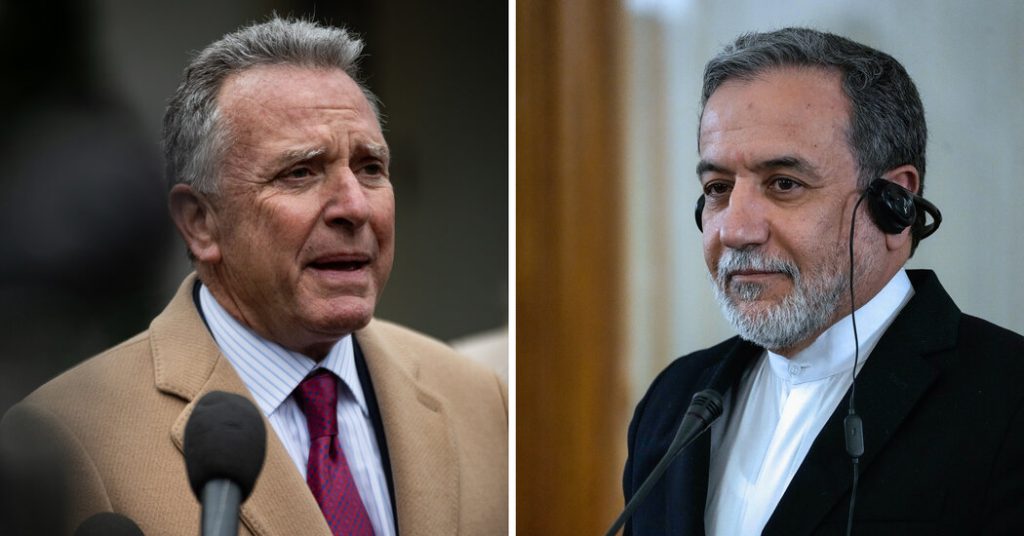
The global geopolitical landscape in 2026 remains precariously balanced on the edge of a knife. Amid escalating geopolitical tensions, as the conflict between the United States and Iran enters a critical phase, Pakistan has once again emerged as the essential diplomatic bridge between Washington and Tehran. In a move that has sent ripples through international energy markets and diplomatic circles, Iran submits new proposal to Pakistan to resume US talks, a fresh, comprehensive document utilizing Islamabad as its primary intermediary.
This development, specifically that Iran submits new proposal to Pakistan to resume US talks, follows weeks of intense, albeit stalled, negotiations aimed at de-escalating a conflict and exploring potential mutual trust-building measures that has already caused massive economic disruptions, including the closure of the strategically vital Strait of Hormuz. While the contents of the proposal remain shielded from the public eye, the mere fact that a new document has been exchanged suggests that both sides are feeling the mounting pressure of a protracted, expensive, and dangerous stalemate.
The Role of Pakistan: A Strategic Intermediary
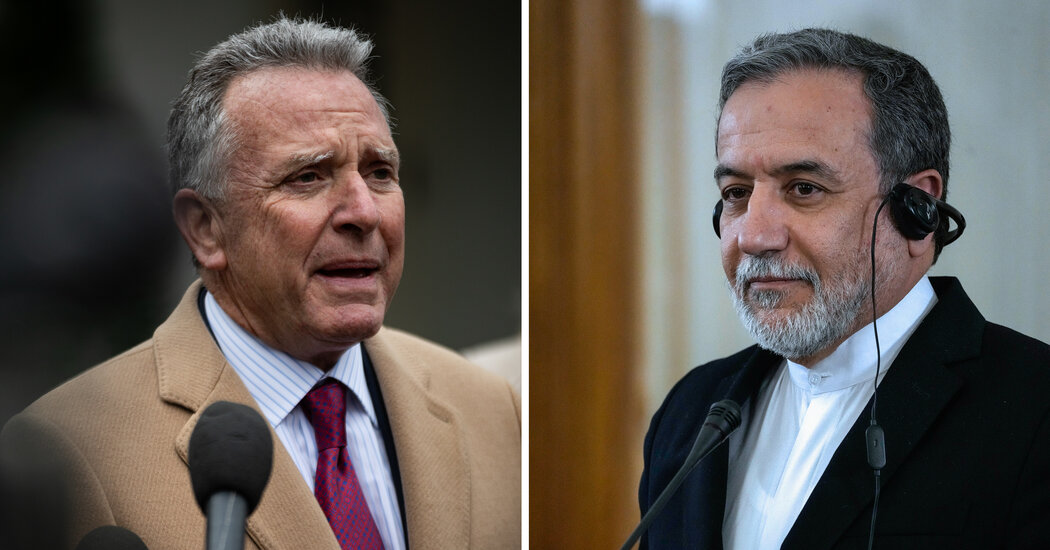
Pakistan’s role in this crisis, especially in facilitating the recent move where Iran submits new proposal to Pakistan to resume US talks, is nothing short of pivotal. Despite facing its own domestic economic and political challenges, Islamabad has successfully positioned itself as the only neutral, trusted channel for both the White House and the Iranian Foreign Ministry. By maintaining open lines of communication, Pakistan is attempting to prevent a descent into total regional war and foster greater Middle East security.
Why Islamabad Matters in 2026
Neutral Ground: Pakistan’s history of balanced relations with regional stakeholders allows it to act as a “safe harbor” for delicate negotiations.
Proximity and Influence: As a neighbor to Iran with deep historical ties to the U.S., Pakistan understands the specific security concerns of both Washington and Tehran.
Economic Stakes: With the global economy reeling from high oil prices caused by the blockade of the Strait of Hormuz, Pakistan has a vested interest in regional stability to protect its own energy security.
Breaking Down the New Proposal
While specific details of the proposal, through which Iran submits new proposal to Pakistan to resume US talks, remain classified, sources indicate that it focuses on a phased approach to de-escalation. The primary hurdle remains the nuclear issue, a persistent point of contention since the unraveling of the Joint Comprehensive Plan of Action (JCPOA), or Iran nuclear deal. Iran firmly asserts its sovereign right to the peaceful use of nuclear technology, a stance that Washington continues to view with extreme skepticism, especially concerning non-proliferation efforts.
The Two-Stage Peace Plan
The two-stage peace plan outlined in the document where Iran submits new proposal to Pakistan to resume US talks reportedly includes:
- Immediate De-escalation: Prioritizing the restoration of maritime access through the Strait of Hormuz and a formalization of the fragile ceasefire that began in April 2026.
- Long-term Framework: Addressing the contentious nuclear program, including potential verification mechanisms overseen by the International Atomic Energy Agency (IAEA), and regional security architecture, though these talks are reportedly being delayed to ensure the “low-hanging fruit” of maritime security is secured first.
The Washington Perspective: Skepticism and Pressure
The White House has remained tight-lipped regarding the specifics of the proposal received after Iran submits new proposal to Pakistan to resume US talks. Spokesperson Anna Kelly reiterated that the U.S. does not comment on private diplomatic backchannels. However, the tone from President Donald Trump’s administration has been one of cautious—and at times, vocal—dissatisfaction.
President Trump has publicly signaled that he is “not satisfied” with the current offer, which came after Iran submits new proposal to Pakistan to resume US talks, suggesting that the U.S. is looking for more substantial concessions, including significant sanctions relief for Iran, before it considers unwinding the current economic and military pressure. Washington’s strategy appears to be a “maximum pressure” approach, utilizing the threat of limited military strikes to force Tehran into a more favorable deal.
Legal and Political Hurdles
Domestically, the U.S. administration is navigating the complexities of the War Powers Resolution. While the White House argues that the current ceasefire has effectively paused active hostilities—thereby avoiding the need for immediate congressional authorization—critics and legal experts are closely monitoring the administration’s contingency plans for potential military action.
<img alt="Iran calls latest nuclear talks with US 'difficult' but both sides …" src="https://media.cnn.com/api/v1/images/stellar/prod/20250426-usiran-20250426163131845.jpg?c=16×9&q=w800,cfill” style=”max-width:100%; height:auto; border-radius:8px; margin: 1rem 0;” />
Global Economic Impacts: The Hormuz Factor
The closure of the Strait of Hormuz has been the most tangible consequence of the conflict for the average global citizen. With roughly 20% of the world’s oil and gas supply flowing through this bottleneck, even the threat of further conflict has driven energy prices to record highs.
When news broke that Iran submits new proposal to Pakistan to resume US talks, international markets reacted with a brief, albeit significant, easing of oil prices. This reflects a “cautious optimism” that the path to a diplomatic breakthrough remains open. However, experts warn that without a concrete, binding agreement, this market stability is fragile and could evaporate at the first sign of renewed military aggression.
The Path Forward: Can Diplomacy Prevail?
As we look toward the remainder of 2026, the question remains: is the proposal where Iran submits new proposal to Pakistan to resume US talks a genuine attempt at peace, or a tactical pause to regroup?
Iran’s Foreign Minister, Abbas Araghchi, has been engaged in a whirlwind of regional diplomacy and multilateral diplomacy, attempting to build a coalition of support for this new initiative, particularly since Iran submits new proposal to Pakistan to resume US talks. Simultaneously, the U.S. continues to bolster its regional alliances, emphasizing maritime security and freedom of navigation.
<img alt="US and Iran express optimism following second round of nuclear talks …" src="https://media.cnn.com/api/v1/images/stellar/prod/20250415-hghghghg.jpg?c=16×9&q=w800,cfill” style=”max-width:100%; height:auto; border-radius:8px; margin: 1rem 0;” />
Key Factors to Watch:
Maritime Security: Will the Strait of Hormuz reopen fully before nuclear negotiations begin?
Congressional Scrutiny: How will the U.S. legislative branch respond if the current diplomatic efforts fail to yield a tangible result?
Regional Actors: How will Gulf nations, concerned about their own national security, influence the U.S. stance on the proposal?
Conclusion
The fact that Iran submits new proposal to Pakistan to resume US talks is a vital, albeit small, step toward avoiding a full-scale regional catastrophe. While both sides remain far apart on the core issue of nuclear proliferation, the use of diplomatic channels proves that there is still a preference for dialogue over destruction. For Pakistan, the success of this mediation could cement its role as a key regional stability provider and stabilizer, but the ultimate success rests on the willingness of Washington and Tehran to compromise on their long-held ideological and security positions.
As the world watches, the “backchannel” remains the most important theater of the war. Only time will tell if this latest attempt at peace, initiated when Iran submits new proposal to Pakistan to resume US talks, will result in a lasting agreement or merely delay the inevitable.