Spirit Airlines to Cease All Operations: What the Shutdown Means for Travelers and the US Aviation Industry

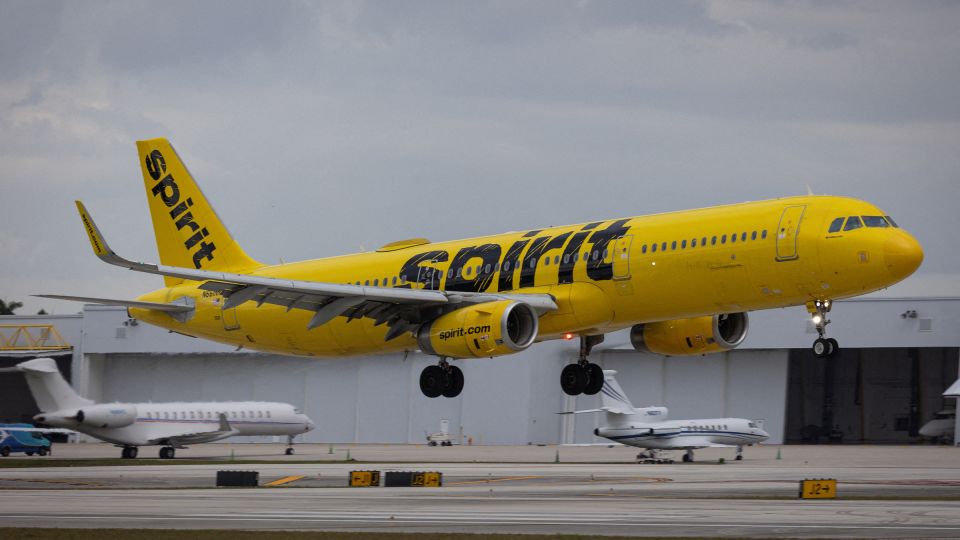
The landscape of American aviation is undergoing a seismic shift. As of 3:00 AM ET this Saturday, Spirit Airlines—a long-standing fixture in the budget travel sector—is set to halt all flight operations. This move marks the first time in nearly a quarter-century that a major U.S. carrier has completely suspended its services, signaling a grim conclusion to a long, turbulent financial struggle.
For the 17,000 employees facing job losses and the millions of passengers holding upcoming reservations, this shutdown is not just a corporate headline; it is a logistical crisis. As the aviation industry reels from this news, the implications for ticket prices, travel accessibility, and the broader economy are only beginning to surface.
The Final Blow: Why Spirit Airlines is Grounding Its Fleet
The decision to cease operations follows a desperate, eleventh-hour attempt to secure a government-backed rescue package. Spirit, which has been navigating the complexities of its second bankruptcy filing since August 2025, found itself trapped between rising operational costs and a lack of consensus among its primary creditors.
The Fuel Crisis and Economic Pressure
The primary catalyst for this collapse has been the staggering rise in jet fuel costs. Since the outbreak of the war in Iran, global oil supplies have been severely restricted, causing fuel prices to nearly double. For an airline like Spirit, which operates on razor-thin margins and relies on high-volume, low-cost ticket sales, these expenses became unsustainable.
While other legacy carriers were able to pass some of these costs to consumers through higher ticket prices and baggage fees, Spirit’s business model was tethered to price-sensitive, bargain-hunting travelers. The airline simply could not increase fares enough to offset the double-digit percentage increase in its second-highest operating cost: fuel.
Failed Bailout Negotiations
In the days leading up to the shutdown, Spirit was in “very advanced discussions” with the Trump administration regarding a potential rescue package. However, a key group of creditors ultimately rejected the deal, reportedly balking at terms that would have ceded majority control of the airline to the government. With no financial lifeline finalized and cash reserves depleted, the airline was left with no choice but to initiate an orderly wind-down.
Impact on Passengers: Navigating the Chaos
If you are holding a ticket for a Spirit Airlines flight, the immediate future is uncertain. The cessation of operations at 3:00 AM ET leaves millions of travelers in a state of limbo.
How to Recover Your Funds
The process for reimbursement depends heavily on how you purchased your ticket:
- Credit/Debit Card Purchases: If you paid via card, your best course of action is to contact your issuing bank immediately to file a chargeback claim. Most card issuers offer protection for services not rendered.
- Cash or Voucher Payments: Passengers who paid with cash or used internal airline credit are in a more difficult position. These individuals are now technically unsecured creditors of the company. You will likely need to file a formal claim through the bankruptcy court process, which can be a lengthy, months-long endeavor with no guarantee of full recovery.
The “Walk-Up” Fare Reality
For those currently mid-trip, the situation is even more dire. Travelers will be forced to book “walk-up” tickets on other airlines to reach their destinations. These last-minute fares are notoriously the most expensive in the industry. As demand surges due to the displacement of Spirit passengers, travelers should expect to pay a significant premium for the remaining seats on major carriers like Delta, United, and American.
Industry-Wide Consequences: A Shift in Airfare Pricing
The removal of Spirit Airlines from the skies is expected to have a ripple effect across the entire U.S. aviation sector. Spirit was responsible for approximately 2% of all domestic flight capacity, and its absence will be felt immediately.
The End of the “Spirit Effect”
Spirit was a pioneer of the “ultra-low-cost” model, forcing competitors to lower their own base fares or introduce “basic economy” options to stay relevant. With this competitive pressure removed, analysts predict a general increase in airfares across the board. Without the “Spirit effect” keeping prices in check, legacy airlines may feel less compelled to offer deep discounts, potentially leading to a more expensive travel environment for the average American consumer.
Consolidation Concerns
The U.S. airline industry has become increasingly concentrated, with the four largest carriers now controlling roughly 80% of the market. The collapse of a significant player like Spirit raises alarms about the lack of competition and the vulnerability of the remaining budget carriers. As the industry consolidates, the choices for cost-conscious travelers continue to shrink, leaving the market susceptible to price hikes and reduced service to smaller, regional airports.
A Legacy of Financial Struggles
Spirit’s downfall was not an overnight occurrence. The airline has been on shaky ground since the onset of the COVID-19 pandemic in 2020, which decimated travel demand. Despite multiple attempts to restructure, including two separate bankruptcy filings, the company struggled to modernize its fleet and manage its debt-to-income ratio effectively.
The most recent bankruptcy filing in August 2025 was meant to be the “reset” the company needed. A deal with creditors in February 2026 provided a glimmer of hope for a leaner, more efficient Spirit. However, the external shock of soaring fuel prices proved to be the final, insurmountable obstacle.
Conclusion: The End of an Era
The grounding of Spirit Airlines is a sobering reminder of the volatility inherent in the aviation industry. From the 17,000 employees who have lost their livelihoods to the millions of travelers scrambling to rearrange their lives, the human cost is substantial.
As the industry adjusts to this new reality, passengers should prepare for a period of instability. Whether you are seeking a refund or trying to book an alternative flight, patience and prompt action will be essential in the coming days. The skies will look different tomorrow, but the lessons of Spirit’s collapse will likely shape airline policy and pricing strategies for years to come.