Strategic Shift: U.S. to Withdraw 5,000 Troops from Germany Amid Mounting Diplomatic Tensions

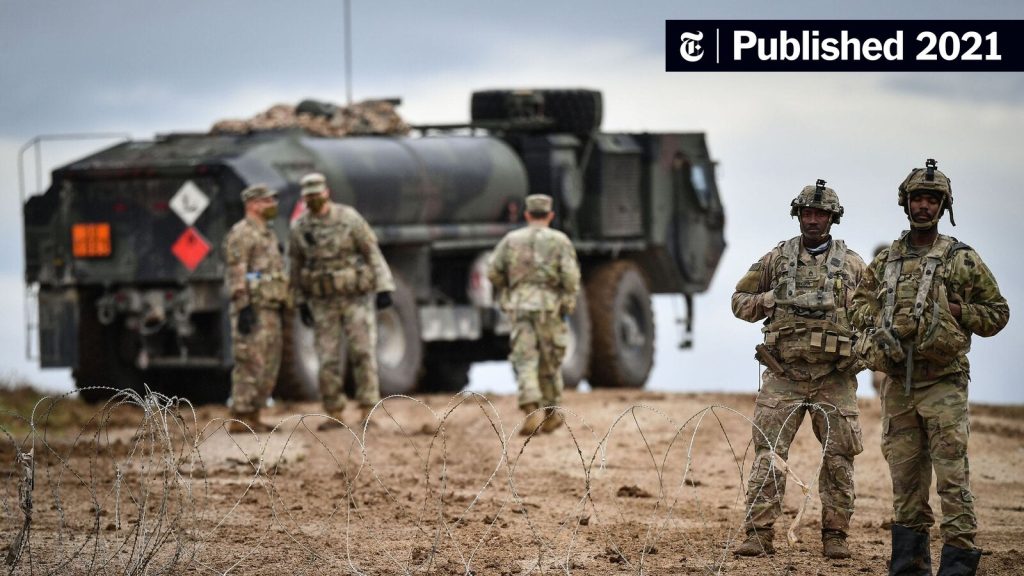
The geopolitical landscape of Europe is facing a significant shake-up in 2026. The Pentagon has officially confirmed that approximately 5,000 U.S. troops will be withdrawn from Germany over the next six to twelve months. This decision, ordered by the administration and executed under the direction of Defense Secretary Pete Hegseth, marks a pivotal moment in the transatlantic partnership between Washington and Berlin.
This move is not merely a logistical adjustment; it is a direct response to a deepening diplomatic rift. Following pointed criticism from German Chancellor Friedrich Merz regarding the U.S. approach to the ongoing war in Iran, the White House appears to have reached a breaking point. As tensions simmer, the reduction of American forces—roughly 14% of the 36,000 personnel currently stationed in Germany—raises urgent questions about the future of NATO, European security, and the stability of the Western alliance.
The Catalyst: A Diplomatic Clash Over Iran
The core of this withdrawal stems from public friction between President Donald Trump and Chancellor Friedrich Merz. The conflict ignited after Merz publicly questioned the U.S. strategy in the Middle East, specifically regarding the war in Iran. In a candid assessment, the Chancellor suggested that Washington’s recent maneuvers had left the country “humiliated” by Iranian leadership, a remark that reportedly infuriated the Oval Office.
For the Trump administration, this critique was the final straw. President Trump has long maintained a transactional view of the NATO alliance, frequently accusing member states of failing to meet their defense spending obligations. By pulling 5,000 troops, the U.S. is signaling that its military presence is not a given, especially when political alignment between Washington and Berlin falters.
Impact on U.S. Military Infrastructure
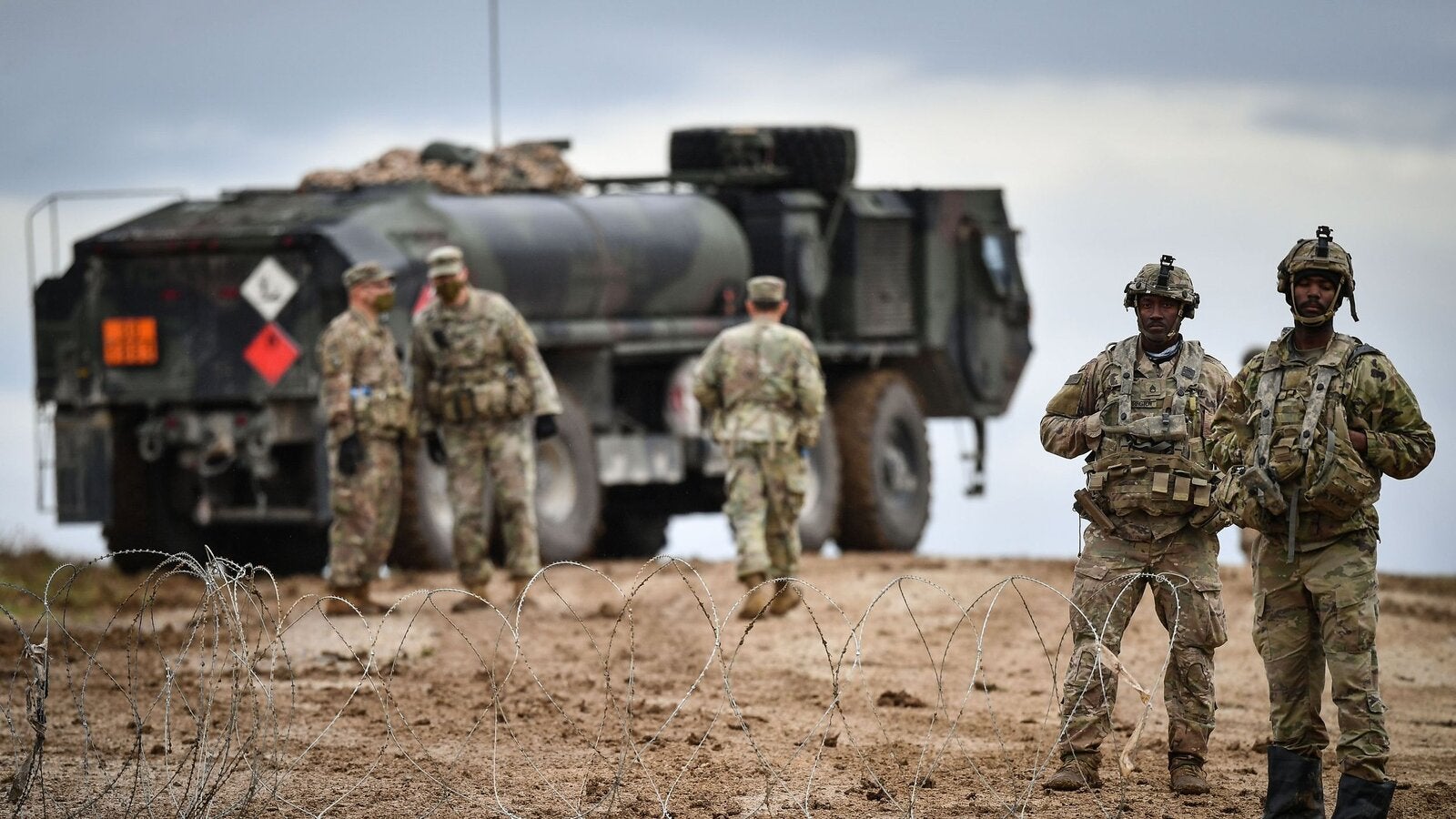
Germany has long served as the primary logistical hub for U.S. operations in Europe, Africa, and the Middle East. The presence of major installations, including Ramstein Air Base and the Landstuhl Regional Medical Center, is critical to global U.S. force projection.
Key Facilities Affected:
Ramstein Air Base: A central node for U.S. air power and global logistics.
Command Headquarters: Strategic planning centers that coordinate NATO activity.
- Landstuhl Medical Center: The largest American military hospital outside of the United States.
While Pentagon spokesman Sean Parnell insists the move is based on a “comprehensive review of operational needs,” defense analysts are wary. The redeployment of personnel—and potentially advanced missile defense systems—to the Middle East or other regions could leave a significant gap in European theater capabilities.
Concerns Over NATO Stability and Russian Aggression
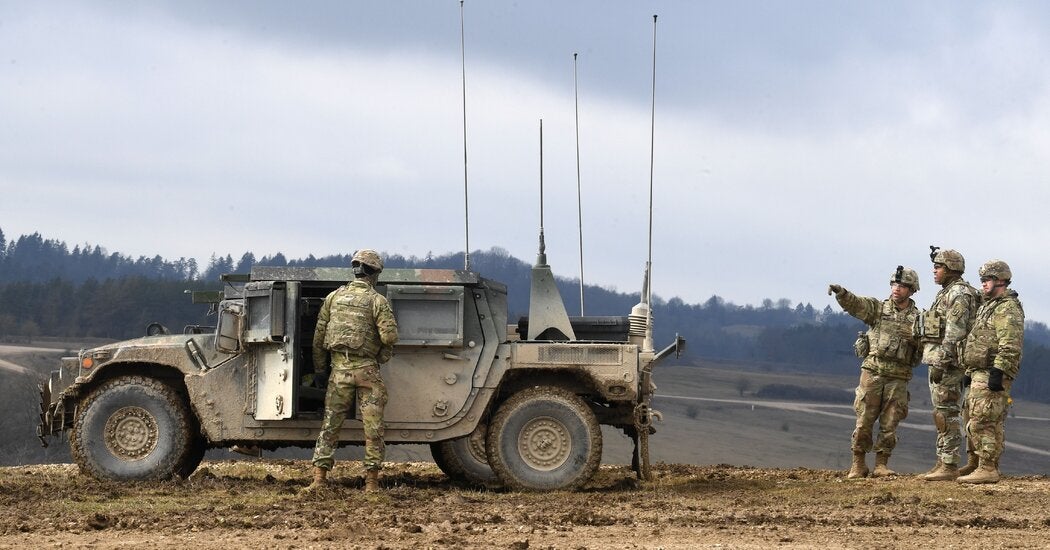
The decision to draw down forces has triggered immediate backlash from both sides of the Atlantic. Critics argue that the withdrawal undermines the deterrence strategy against Russian aggression. For years, the U.S. presence in Germany has acted as a stabilizing force, ensuring that the Eastern flank of NATO remains secure.
Senator Jack Reed and other defense experts have warned that this decision signals a potential retreat from long-standing American commitments. “This creates a vacuum,” noted one defense analyst. “If the U.S. reduces its footprint, it emboldens adversaries who view the transatlantic alliance as a fractured entity.”
Furthermore, the shift creates a political dilemma for European leaders. As Washington signals that Europe must assume greater responsibility for its own security, countries like Germany may be forced to drastically increase defense budgets and reform their military structures on an accelerated timeline.
Historical Context: A Recurring Friction Point
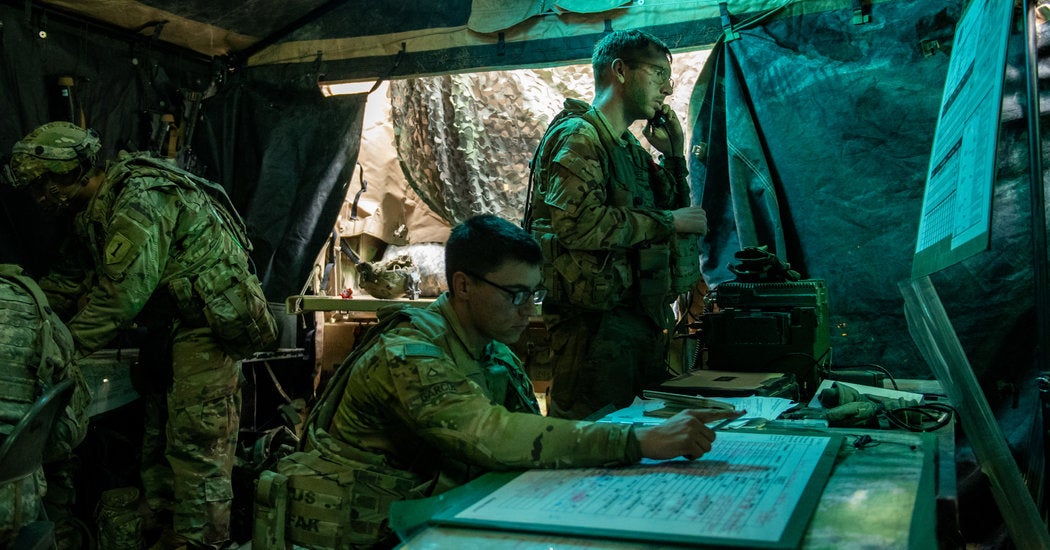
This is not the first time the issue of U.S. troop levels in Germany has dominated the headlines. During his first term, President Trump proposed a similar reduction of roughly 12,000 troops, citing Germany’s “delinquent” defense spending. That plan was later halted and eventually canceled by the Biden administration, which sought to rebuild ties with European allies.
The return of this policy in 2026 suggests a more permanent shift in American foreign policy priorities. The “America First” doctrine continues to view foreign military bases through a cost-benefit lens, prioritizing immediate operational flexibility over the traditional long-term diplomatic stability that defined the post-WWII era.
<img alt="White House orders substantial withdrawal of US troops from Germany …" src="https://media.cnn.com/api/v1/images/stellar/prod/170117132800-us-troops-germany.jpg?q=x1501,y510,h1704,w3028,ccrop/h833,w_1480″ style=”max-width:100%; height:auto; border-radius:8px; margin: 1rem 0;” />
The Path Forward: What to Expect in 2026
As the Pentagon begins the 12-month drawdown, the diplomatic fallout will likely continue to unfold. The German government is under intense pressure to navigate a response that balances national sovereignty with the need for continued U.S. security cooperation.
Key Areas to Watch:
- Defense Spending: Will Germany pivot to meet NATO spending targets faster to entice the U.S. to reconsider?
- Middle East Reallocation: Will the withdrawn troops be moved to the Middle East to bolster support for the ongoing war in Iran, as some experts suggest?
- NATO Unity: Will this move cause a permanent splintering of the alliance, or will European nations unite to fill the void left by the U.S.?
The withdrawal of 5,000 troops is a clear signal that the status quo of the 20th-century security architecture is fading. Whether this leads to a more self-reliant European defense force or a period of heightened vulnerability remains the central geopolitical question of the year.
Conclusion
The decision to remove 5,000 troops from Germany is a watershed moment for U.S. foreign policy. By prioritizing friction over alliance maintenance, the administration has set the stage for a new era of transatlantic relations. As the logistics of the withdrawal begin, the world will be watching to see how both Washington and Berlin manage the fallout of this high-stakes diplomatic gamble. For now, the stability of Europe’s security framework hangs in the balance, challenged by shifting priorities and the evolving nature of global conflict.