Crude Oil Nears $120: The Geopolitical Storm Reshaping Global Energy Markets in 2026

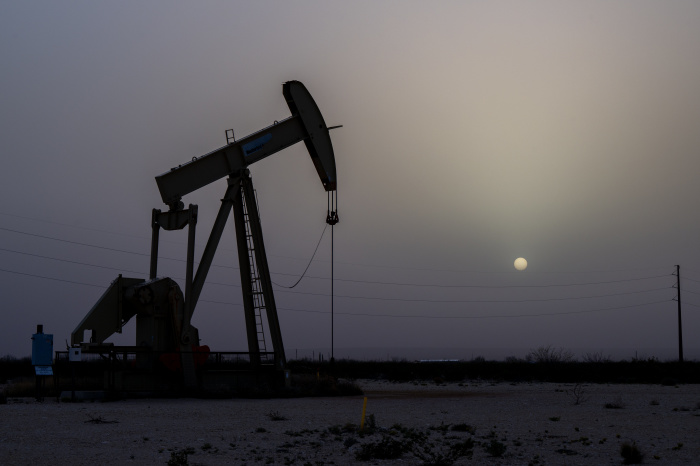
The global energy landscape is currently navigating a period of unprecedented volatility. As of mid-2026, crude oil prices are hovering dangerously close to the $120 per barrel threshold, a psychological and economic barrier that triggers alarm bells across every major economy. The catalyst? A rapidly escalating conflict in the Middle East, specifically the intensifying U.S.-Iran standoff, which has effectively weaponized supply chains and sent shockwaves through energy futures.
The Anatomy of the 2026 Oil Spike
The surge toward $120 is not merely a product of supply and demand; it is a direct consequence of geopolitical maneuvering. The U.S. naval blockade surrounding the Strait of Hormuz—the world’s most critical maritime chokepoint—has become the epicenter of this crisis.
Treasury Secretary Scott Bessent has been vocal regarding the administration’s strategy, noting that the blockade is designed to cripple Iran’s oil infrastructure. By targeting terminals like Kharg Island, the U.S. is forcing Iran into a corner where storage capacities are maxing out, potentially leading to a forced shutdown of their production facilities. For the global market, this represents a massive supply-side risk that traders are pricing in with aggressive bullishness.
Why $120 Matters
When oil touches $120, the ripple effects are felt instantly. Historically, this price point acts as a catalyst for:
Widespread Inflation: Energy costs are embedded in the price of food, logistics, and manufacturing.
Central Bank Pressure: Higher energy prices force central banks to maintain higher interest rates to combat inflation, stifling economic growth.
- Market Volatility: As seen in recent trading sessions, crude prices are prone to “round-tripping,” where prices swing wildly based on rumors of de-escalation or further military action.
The Nigerian Paradox: A Double-Edged Sword
For nations like Nigeria, the world’s largest oil producer in Africa, the current climate presents a complex economic paradox. On one hand, the “petrodollar” windfall should, in theory, bolster national reserves. However, the reality on the ground is significantly more painful.
Dr. Ayodele Oni, a prominent oil industry analyst, notes that while the Federation Account may swell, the average citizen is bearing the brunt of the cost. With Premium Motor Spirit (PMS) prices already hitting the N1,245 to N1,350 range, the cost of living has skyrocketed.
Local Refining: The Buffer
Unlike in previous years, Nigeria is better positioned due to the maturation of its local refining capacity. If the country were still entirely dependent on imported finished products, the current global supply crunch would have resulted in catastrophic fuel scarcity and empty pumps. Local refining provides a vital, albeit expensive, safety net that prevents total economic paralysis.
The Strategic Standoff: U.S. vs. Iran
The U.S. administration, under the Trump leadership, has doubled down on its “maximum pressure” campaign. By linking the naval blockade to nuclear negotiations and regional security, the U.S. has signaled that it is willing to accept higher oil prices as a necessary trade-off for the long-term containment of Iranian influence.
However, analysts at J.P. Morgan warn that the market remains in a fragile state. Should Iran retaliate by attempting to disrupt tanker traffic through the Strait of Hormuz, we could see prices move beyond $120 into the $130 range. This would represent a structural shock to the global economy that would be difficult for even the most resilient nations to absorb.
Market Sentiment and Future Outlook
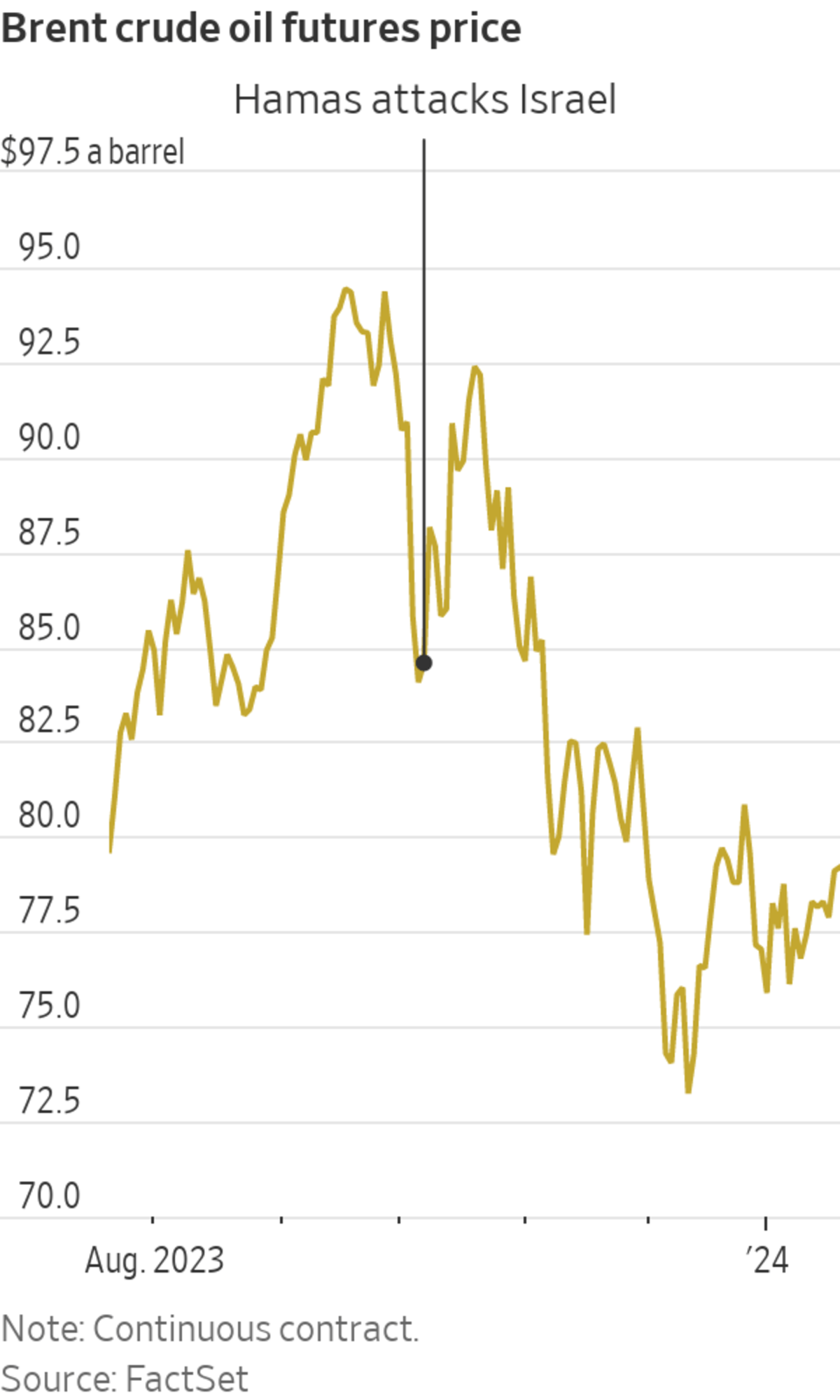
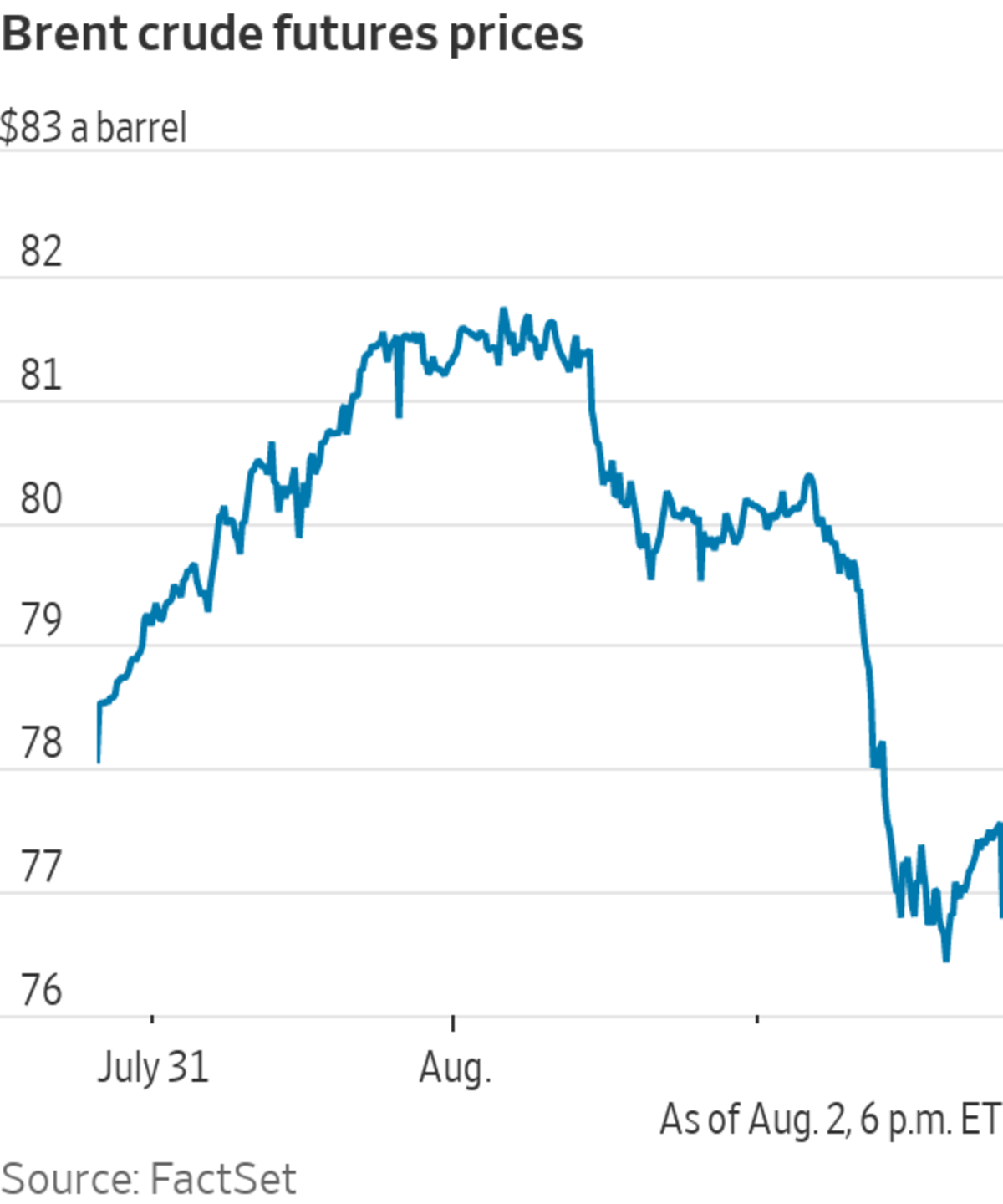
Despite the current rally, the market remains susceptible to “head-fakes.” We have witnessed days where oil surges to $120, only to plummet back toward the $80 range following rumors of diplomatic breakthroughs or potential ceasefires. This extreme volatility is the new normal.
Investors and policymakers should prepare for:
- Sustained Energy Premiums: The “geopolitical risk premium” is unlikely to vanish soon.
- Increased Focus on Energy Security: Nations will likely accelerate their transition to alternative energy sources to reduce dependence on volatile Middle Eastern supply chains.
- Inflationary Persistence: Consumers should brace for higher transport fares and increased prices for essential goods as long as crude remains at these elevated levels.
Conclusion
The push toward $120 per barrel is a clear signal that the global energy market is no longer just about supply and demand; it is a chessboard of geopolitical warfare. While the U.S. blockade aims to dismantle Iran’s economic capacity, the collateral damage is being felt by households from Lagos to London.
As we progress through the remainder of 2026, the world will be watching the Strait of Hormuz with bated breath. Whether this is a short-term correction or the beginning of a prolonged era of high-cost energy remains to be seen. One thing is certain: the era of cheap, stable oil is currently on hold, replaced by a climate of uncertainty that demands both economic caution and strategic foresight.