The Sweat Revolution: Why Saunas Are the New Nightlife Destination of 2026

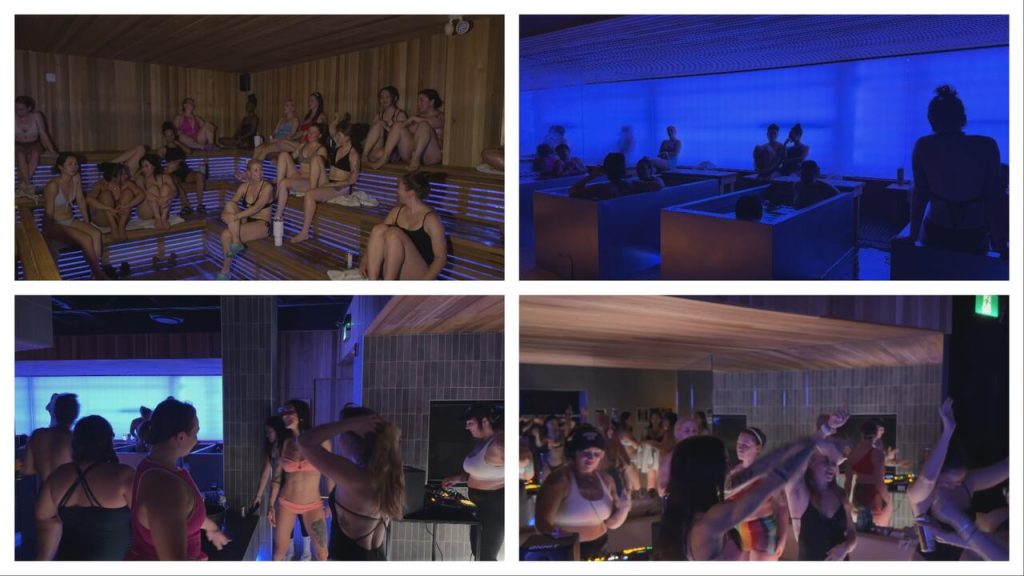
The traditional night out is undergoing a radical transformation. For decades, the blueprint for a fun evening was predictable: loud bars, sticky floors, and a focus on alcohol-centric socializing. However, as we move through 2026, a new “third space” has emerged that is turning the concept of nightlife on its head. Welcome to the era of the sauna rave—a high-energy, sober, and deeply restorative way to connect with others while prioritizing your health.
The Rise of the Sauna Rave: A Shift in Social Culture
In major cities across North America, from Toronto to New York and Calgary, the modern social calendar is being rewritten. Instead of meeting at a pub at 10 p.m., wellness-conscious urbanites are heading to state-of-the-art facilities like PRML or Othership as early as 7:30 p.m.
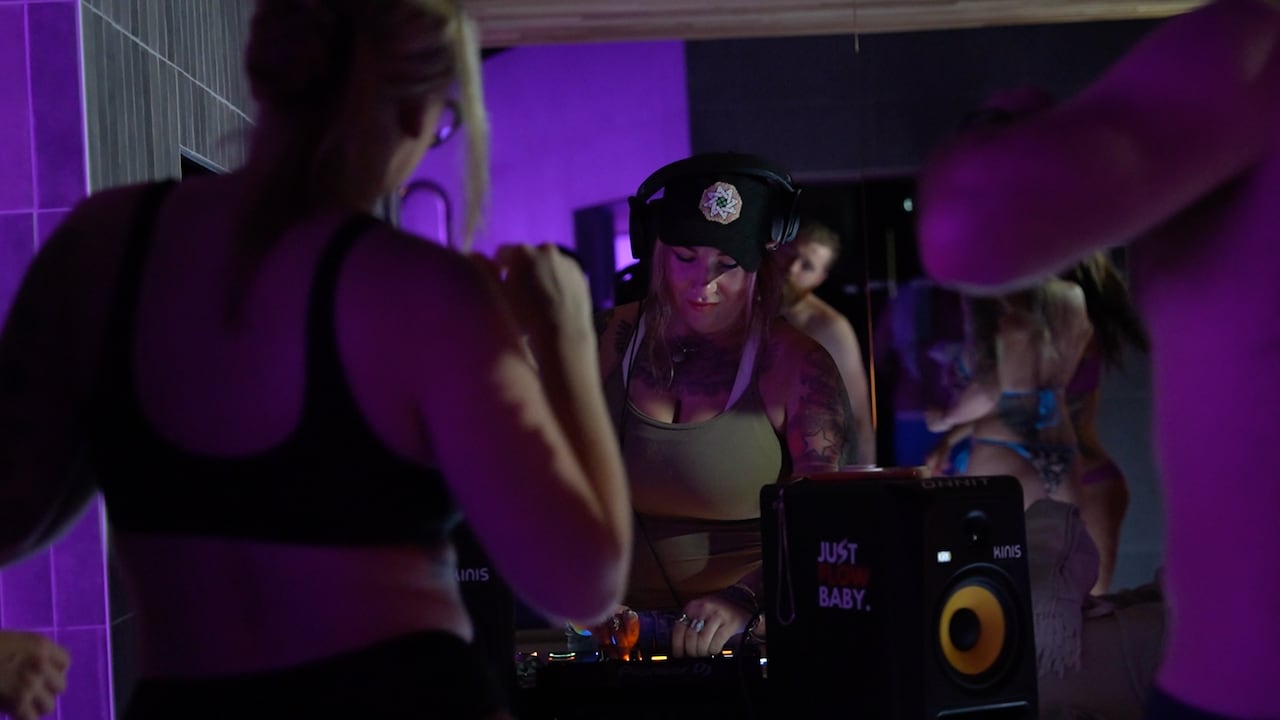
The experience is a sensory blend of contrast therapy and community. Guests cycle between intense heat in a cedar-lined sauna, invigorating cold plunges, and a lounge area that periodically transforms into a dance floor, complete with live DJs. It is the ultimate sober social experience, proving that you don’t need spirits to find your flow state.
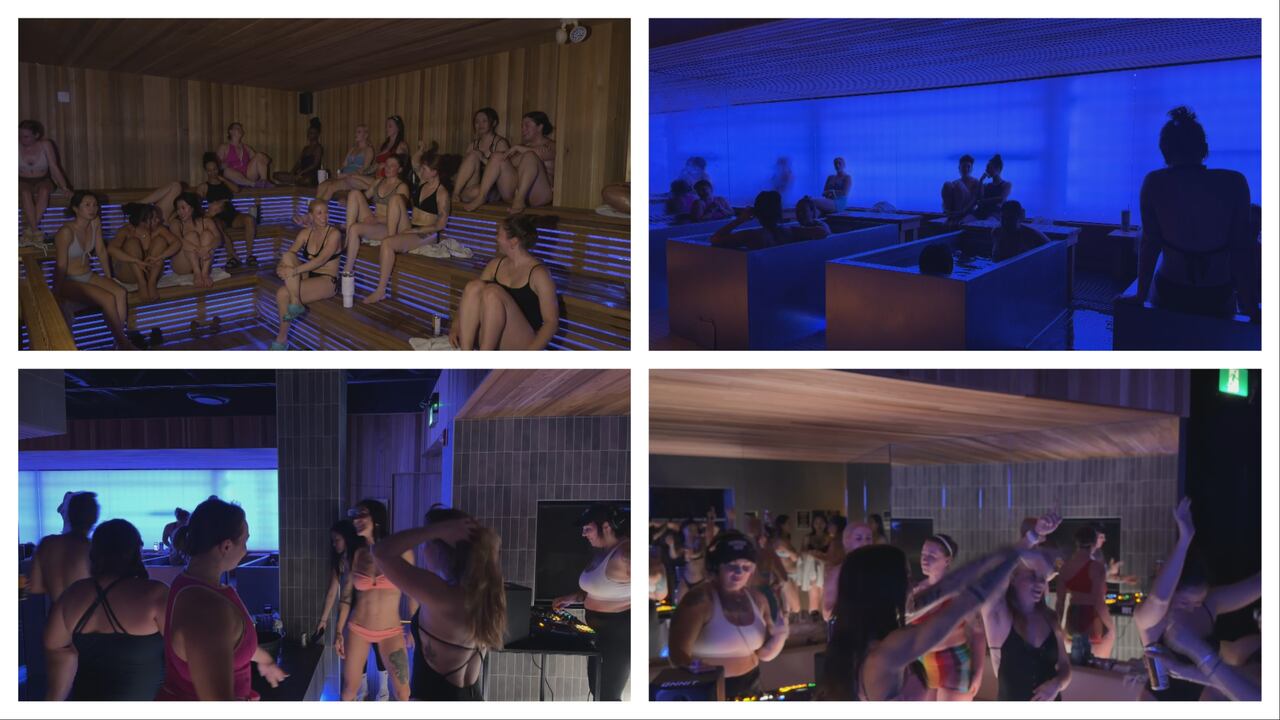
Why Wellness-Driven Nightlife is Booming
The popularity of these events is not merely a passing fad; it is a response to a growing demand for authentic human connection. As people become more aware of the long-term impacts of alcohol, the “sober curious” movement has gained massive momentum.
1. The “Third Space” Evolution
Sociologists have long argued that humans need a “third space”—a location outside of work and home where we can gather and build community. For years, the bar held this title. Today, the sauna is replacing the pub. Unlike a noisy nightclub where conversation is impossible, the communal nature of a sauna encourages vulnerability and genuine interaction.
2. Physical and Mental Performance
Modern consumers are increasingly focused on performance and recovery. With the rise of wearable tech and advanced health tracking, people are more in tune with their heart rate, stress levels, and sleep quality. Engaging in hot-and-cold therapy offers a tangible “wellness high”—an endorphin rush that leaves participants feeling rejuvenated rather than hungover the next morning.

The Psychology of the Sauna Party
What makes these events so effective? According to experts, the heat and cold cycles act as a natural equalizer. When you are in a sauna, the typical social armor we wear in public settings begins to dissolve.
Vulnerability: Being in a bathing suit in a low-light, safe environment creates a unique sense of camaraderie.
Inhibition Release: The physical stress of the cold plunge followed by the warmth of the sauna creates a natural chemical release in the brain that loosens social inhibitions, making it easier to talk to strangers.
The “No-Phone” Policy: Many of these clubs encourage leaving devices in lockers, allowing participants to fully disconnect from the digital noise of 2026 and reconnect with the people in front of them.
Business Perspectives: The Future of Spa Design
From a business standpoint, the social sauna model is proving to be highly efficient. Jennifer Findlay, a boutique wellness consultant, notes that these spaces require less square footage and lower overhead than traditional luxury spas. Because the focus is on the communal experience rather than private, individual treatments, facilities can accommodate more people, creating a vibrant, high-energy atmosphere that is easy to scale.
As this trend continues to mature, we expect to see these wellness hubs expanding into smaller suburban markets, moving beyond the major metropolitan centers. The demand is clear: people want to feel good, they want to be healthy, and they want to have fun—without the compromise.
Beyond the Rave: A Spectrum of Social Wellness
It is important to note that not every social sauna experience is centered on high-energy music. While the “rave” aspect is grabbing headlines, these venues offer a wide spectrum of programming:
Quiet Sessions: For those who prefer a meditative, silent environment.
Guided Classes: Expert-led breathwork and contrast therapy workshops.
Community Clubs: Groups like the Offline Wellness Club in Calgary have successfully transitioned from run clubs to recovery communities, proving that the desire for connection is the common thread in all these models.
Conclusion: The New Standard for Socializing
The movement toward social saunas signifies a deeper shift in our culture. We are no longer content with nightlife that depletes our energy; we are actively seeking out experiences that fill our cups. Whether it’s a high-energy DJ set under dim lights or a quiet, intentional hour of heat and cold, these spaces are providing the connection we crave in a healthier, more sustainable way.
As we look toward the remainder of 2026, one thing is certain: the sauna is no longer just a place to sweat. It is a place to dance, to connect, and to thrive. The next time you are looking for a Friday night plan, you might want to swap your cocktail glass for a towel.