Trade War Escalation: Trump Announces 25% Tariff on EU Autos Amidst Growing Economic Tensions

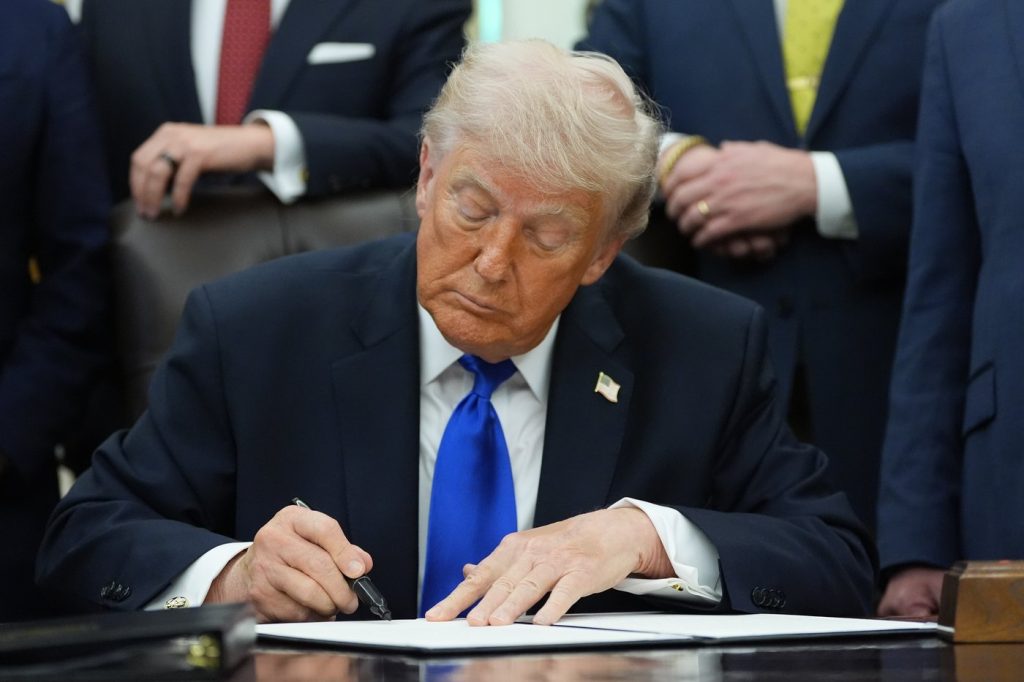
The global automotive sector is bracing for a significant shock as President Donald Trump announced on Friday that the United States will hike tariffs on cars and trucks imported from the European Union to 25%. This move, set to take effect next week, marks a sharp escalation in trans-Atlantic trade friction and arrives at a time when the global economy is already grappling with the fallout from the ongoing conflict in the Middle East.
President Trump justified the decision by accusing the European Union of failing to comply with the terms of the trade framework established just last year. While the administration has remained tight-lipped regarding the specific details of the alleged non-compliance, the announcement signals a pivot toward protectionist policies intended to force foreign manufacturers to accelerate the transition of their factory production to U.S. soil.
The Breakdown of the Turnberry Agreement
The current trade tension centers on the Turnberry Agreement, a framework negotiated last year between the Trump administration and European Commission President Ursula von der Leyen. Named after the President’s golf course in Scotland, the deal was designed to stabilize trade relations and set a tariff ceiling of 15% on most imported goods.
However, the legal landscape surrounding these tariffs has become increasingly complex. Earlier this year, the U.S. Supreme Court ruled that the President lacked the necessary legal authority to declare an economic emergency to justify these specific tariff structures. This ruling effectively pulled the rug out from under the initial trade framework, forcing the White House to scramble for alternative legal pathways—such as investigating national security threats and trade imbalances—to maintain existing revenue streams.
Why the EU is Pushing Back
European officials have expressed significant frustration with the sudden policy shift. Commissioner for Trade and Economic Security Maroš Šefčovič had recently described the U.S.-EU relationship as increasingly positive, making the tariff announcement a jarring development for Brussels.
The European Commission’s stance remains firm: “A deal is a deal.” With bilateral trade in goods and services reaching a staggering 1.7 trillion euros ($2 trillion) in 2024, the EU views the U.S. as its most critical partner. The prospect of a 25% tariff threatens to undermine the competitive advantage EU automakers previously enjoyed, potentially costing the bloc hundreds of millions of euros in monthly trade volume.
Economic Fragility and the Shadow of Conflict
The timing of this tariff hike could not be more precarious. The world economy is currently reeling from the effects of the Iran war, which has effectively shuttered the Strait of Hormuz. Following strikes by the U.S. and Israel at the end of February, global energy markets have seen a massive spike in oil and natural gas prices, fueling inflationary pressures worldwide.
For the United States, this creates a “perfect storm” of economic challenges:
Persistent Inflation: Despite campaign promises to curb the high prices inherited from the post-pandemic recovery period, inflation hit 3.3% in March 2026.
Energy Costs: Rising energy prices are acting as a tax on consumers, stifling disposable income and reducing demand for major purchases like new vehicles.
- Political Pressure: With midterm elections looming in November, the President is under intense scrutiny. Current polling from the AP-NORC Center for Public Affairs indicates that only 30% of U.S. adults approve of the administration’s handling of the economy.
The Strategy Behind the Tariffs
President Trump’s rhetoric suggests that the 25% tariff is not merely a punitive measure, but a strategic lever. By increasing the cost of importing European vehicles, the administration aims to “force” manufacturers to move their production facilities into the United States.
This “onshoring” approach is a cornerstone of the President’s economic platform. The administration believes that by creating a high-tariff environment, they can compel major automotive players to invest in U.S. labor and infrastructure. However, economists warn that such moves often lead to retaliatory measures from trading partners, which could ultimately harm U.S. exporters and lead to higher sticker prices for American consumers already struggling with the cost-of-living crisis.
What This Means for the Global Market
The decision to impose a 25% tariff on EU autos is likely to have a ripple effect across several sectors:
- Automotive Supply Chains: Manufacturers that rely on parts sourced from the EU will face increased overhead, likely passing these costs on to the consumer.
- Trade Relations: The EU may be forced to respond with its own set of retaliatory tariffs, potentially targeting key U.S. industries to exert pressure on Washington.
- Inflationary Impact: Higher import duties traditionally contribute to higher retail prices, which could keep U.S. inflation levels elevated well into the second half of the year.
As the administration moves forward with these plans, the eyes of the world remain fixed on the diplomatic back-channels between Washington and Brussels. Whether the two powers can reconcile their differences or whether we are witnessing the beginning of a prolonged trade war remains to be seen. One thing is certain: the global automotive industry is in for a period of extreme volatility.
Conclusion
As of mid-2026, the intersection of geopolitical conflict, judicial intervention, and protectionist trade policy has created a volatile environment for global commerce. By raising tariffs on EU autos to 25%, President Trump is betting that economic pressure will yield long-term domestic gains. Yet, as inflation remains a primary concern for the American electorate, the success of this strategy—and its impact on the upcoming midterm elections—remains highly uncertain.