The Legal Fallout: Cole Allen to Remain in Custody Following Trump Assassination Attempt

The nation remains gripped by the chilling details surrounding the security breach at the 2026 White House Correspondents’ Association dinner. As the legal proceedings unfold, the man at the center of the controversy, 31-year-old Cole Tomas Allen, has made a critical decision that will keep him behind bars for the foreseeable future.
During a federal court hearing held on Thursday, April 30, 2026, Allen’s defense team, led by attorney Tezira Abe, opted not to contest the government’s motion to keep the suspect in custody. This decision marks a significant turning point in a case that has sent shockwaves through Washington D.C. and prompted a national conversation regarding political violence and the protection of high-ranking government officials.
The Case Against Cole Allen: A Calculated Attack?
Federal prosecutors have painted a grim picture of premeditated violence. According to court filings, Allen, a California resident, allegedly embarked on a cross-country mission with the explicit intent to target President Donald Trump and other high-ranking administration officials.
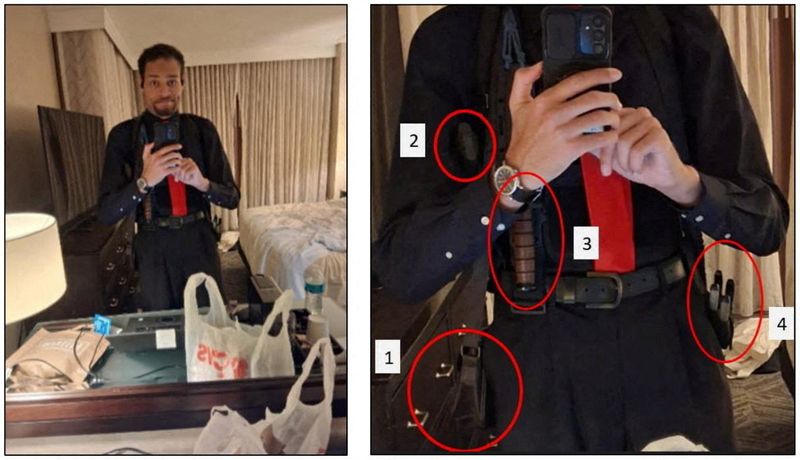
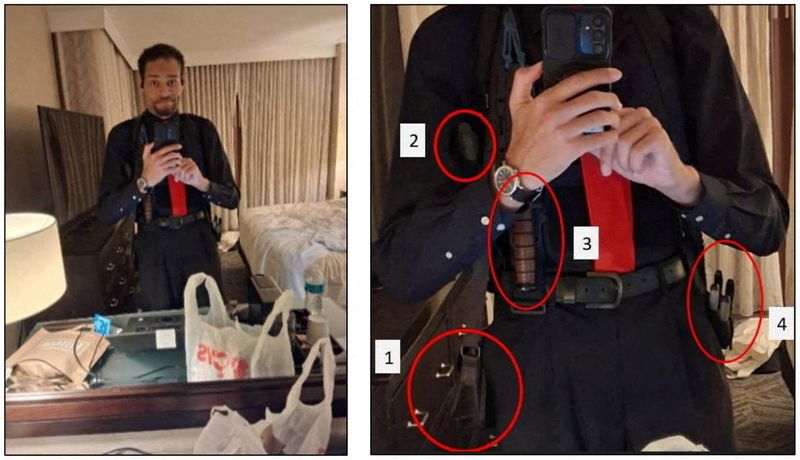
The prosecution’s narrative suggests that this was not a spontaneous act of rage but a carefully orchestrated plan. Allen is accused of traveling from his home state to the nation’s capital armed with a significant arsenal, including:
A shotgun intended for use at the venue.
A .38-caliber pistol for potential close-quarters engagement.
Various knives and daggers discovered during the apprehension process.
Allegations of Intent and Political Motive
The government’s legal filings emphasize the gravity of the threat. Prosecutors allege that Allen was prepared to execute a mass shooting within the Washington Hilton ballroom, a space occupied by approximately 2,600 guests, including journalists, political dignitaries, and members of the executive branch.
Evidence presented by the prosecution includes an email allegedly sent by Allen to his relatives on the night of the incident. While the email does not explicitly name the President, it refers to “administration officials from highest to lowest rank” and characterizes the leadership as “traitors” and “criminals.” This digital trail is expected to be a cornerstone of the prosecution’s attempt to establish motive as the trial progresses.
Defense Strategy: Challenging the Narrative
While Allen has agreed to remain in custody, his legal team is already working to dismantle the prosecution’s case. In court filings, attorney Tezira Abe highlighted several areas where the defense intends to challenge the government’s assertions.
Questioning the Evidence
One of the most contentious points of the defense involves the reported injury of a U.S. Secret Service agent. While early reports indicated that an agent was struck by gunfire, the defense has pointed out that prosecutors have not formally alleged in court that Allen was the one who shot the agent.
The defense is also focusing on the following points to humanize their client and mitigate the severity of the charges:
- Lack of Criminal History: Allen reportedly has no prior arrests or convictions, a factor his team hopes will contrast with the prosecution’s portrayal of a dangerous extremist.
- Community Ties: His lawyers have emphasized his active involvement in his local Christian church, attempting to paint a picture of a man whose actions were an aberration rather than a lifestyle.
- Procedural Flaws: The defense is meticulously auditing the chain of evidence, specifically questioning the circumstances surrounding the shotgun discharge and the recovery of a spent casing found in the barrel.
The Legal Charges and Future Proceedings
Cole Allen faces a battery of severe federal charges that carry significant weight under U.S. law. The primary charges include attempted assassination, discharging a firearm during a crime of violence, and the illegal transportation of weapons and ammunition across state lines.
As of the April 30 hearing, Allen has not yet entered a formal plea. The decision to remain in custody suggests that the defense is prioritizing a methodical review of the evidence before committing to a specific legal strategy. By waiving his right to challenge his detention, Allen has effectively signaled that he is prepared for a long and complex legal battle.
The Impact on National Security
The incident at the White House Correspondents’ Dinner has forced a re-evaluation of security protocols for public events attended by the President. President Trump himself remarked that the event, while harrowing, temporarily fostered a sense of “national unity” as the country processed the proximity of the threat.
However, the reality remains that a lone individual was able to storm a security checkpoint in the heart of Washington, bringing the debate over Secret Service protocols and urban security to the forefront of the 2026 political cycle.
A Nation Watching Closely
The case of United States v. Cole Allen* is destined to become a landmark trial. It sits at the intersection of constitutional rights, the sanctity of political discourse, and the absolute necessity of executive protection.
As the legal teams prepare for the next phase of the trial, the public remains focused on the motivations that drive an individual to attempt such a high-stakes act of violence. Whether this case concludes with a plea deal or a high-profile courtroom showdown, the proceedings will undoubtedly serve as a stark reminder of the fragile nature of political stability in the modern era.
For now, Cole Allen remains in federal custody, and the investigation into how he was able to infiltrate the perimeter of one of Washington’s most secure events continues. The coming months will provide more clarity on the depth of his plans and the strength of the evidence against him.