The SEN School Place Crisis: Hundreds of Children Still Without Education for September 2026

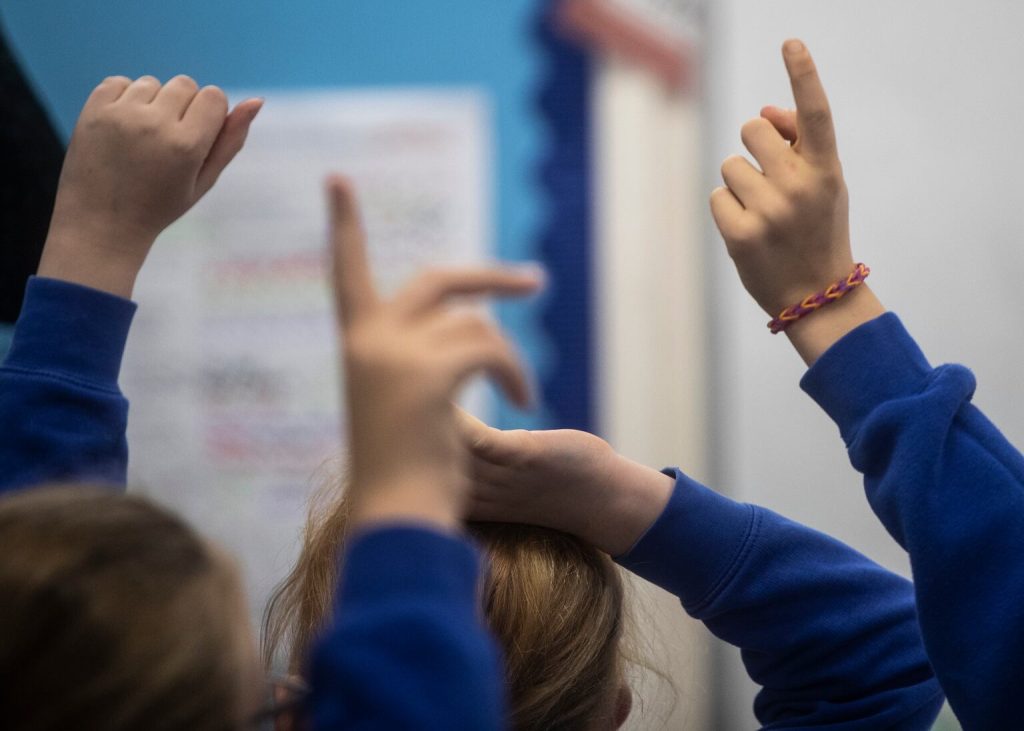
As the 2026 academic year approaches, a shadow looms over the education sector in Northern Ireland. Despite extensive planning and projected requirements, hundreds of children with Special Educational Needs (SEN) remain in a state of distressing uncertainty, lacking a confirmed school place for the upcoming term. This systemic failure has sparked urgent calls for reform and accountability from political leaders, parents, and advocacy groups alike.
The Reality of the 2026 SEN Placement Shortfall
Recent data provided by the Education Authority (EA) paints a concerning picture of the current landscape. Although the EA initially projected a need for 950 additional specialist placements to accommodate the rising demand for the 2026/27 school year, the reality on the ground remains far bleaker. As of late April, approximately 355 placements—comprising 250 primary and 105 post-primary spots—have yet to be materialized.
This shortfall is not merely a statistical anomaly; it represents hundreds of families living in limbo. While mainstream school children prepare for their return to the classroom, families of children with SEN are left waiting for a “yes” that remains elusive. Alliance education spokesperson Michelle Guy MLA has been vocal regarding the scale of this crisis, labeling the situation “deeply concerning” and highlighting that the fundamental right to an education is being compromised.
Why Is the System Struggling to Keep Pace?
The crisis is not new. For years, campaigners have argued that the provision for SEN children has failed to scale alongside the growing number of diagnoses and the complexity of student needs. Since 2020, the Education Authority has successfully created over 6,350 additional SEN places, and currently, 273 schools offer specialist provision. However, these efforts, while significant, have been consistently outstripped by the surging demand.
The Mismatch Between Supply and Demand
The primary driver of the current crisis is the sheer volume of children requiring specialized support. When the system was designed, the prevalence of students requiring tailored environments was significantly lower. Today, with better diagnostic tools and a more inclusive approach to education, the system is struggling to adapt its infrastructure.
The “Hidden” Crisis of Suitability
Beyond the issue of missing placements, there is a secondary, equally worrying concern: suitability. Many children who do have a school place are arguably in settings that cannot meet their specific requirements. This forces parents to choose between a sub-optimal educational environment or no education at all, neither of which is acceptable in a modern, inclusive society.
Government Response: The Push for Mainstream Specialist Provision
Education Minister Paul Givan has acknowledged the severity of the situation. In a proactive move earlier this year, the Department of Education contacted mainstream schools across Northern Ireland, urging those with the potential for expansion to engage in establishing specialist provision.
The EA has since identified 70 schools in areas of high pressure that could potentially host specialist classes. As of the latest reports, 52 of these schools have scheduled site visits to explore the logistics of this expansion. This marks an “intensive period of engagement,” but for many parents, the pace of this bureaucracy is far too slow.
The Proposed Support Package
To encourage schools to open their doors to more SEN students, the Education Authority is offering a comprehensive support package, which includes:
Full funding for teaching and classroom support staff.
Specialized training for existing staff to handle complex needs.
Capital investment for the construction and enhancement of school premises.
Annual pupil and administration payments to ensure the sustainability of the programs.
The Call for Fundamental Reform
While the EA staff are working diligently to secure these placements, critics argue that the issue is not just about logistics—it is about a systemic failure that requires a top-down overhaul. Michelle Guy MLA has emphasized that “something fundamental needs to change within the system as a whole.”
The reliance on ad-hoc, reactive measures to fix a long-term structural problem is no longer tenable. If the goal is for all mainstream schools to eventually host specialist SEN classes, the transition must be better resourced, more transparent, and significantly faster. The current “snail’s pace” of institutional change is failing the most vulnerable children in the education system.
The Human Cost of Education Delays
The statistics—the 250 primary and 105 post-primary places—are easy to read on a spreadsheet, but they translate into profound daily struggles for families. When a child with SEN is denied a school place, the ripple effect is immense:
- Parental Employment: Many parents are forced to reduce their working hours or quit their jobs entirely to provide full-time care for a child who should be in school.
- Child Development: The lack of a structured, supportive learning environment can lead to significant regressions in social, emotional, and academic development.
- Mental Health Strain: The stress of fighting for a school place places an enormous, often unsustainable burden on the mental health of both the child and their caregivers.
Looking Ahead: What Happens Next?
As September approaches, the pressure on the Department of Education and the EA is intensifying. The promise of a “detailed update” in the coming weeks will be met with intense scrutiny. For the hundreds of families currently waiting, the only acceptable outcome is a confirmed, suitable placement that respects their child’s right to learn.
The path forward must involve more than just site visits and funding packages. It requires a commitment to a long-term strategy that anticipates growth in SEN requirements rather than merely reacting to the crisis year after year.
Conclusion: A Basic Human Right
Education is a fundamental human right, not a privilege reserved for those who fit easily into the standard model. The current struggle to provide school places for SEN children in 2026 is a wake-up call for the entire educational infrastructure. It is time for the Department to move beyond crisis management and toward a future where every child, regardless of their needs, has a place where they can thrive, learn, and grow.