Japan’s Rural Revival: Depopulated Town Bets on Education and Community with New Public Cram School

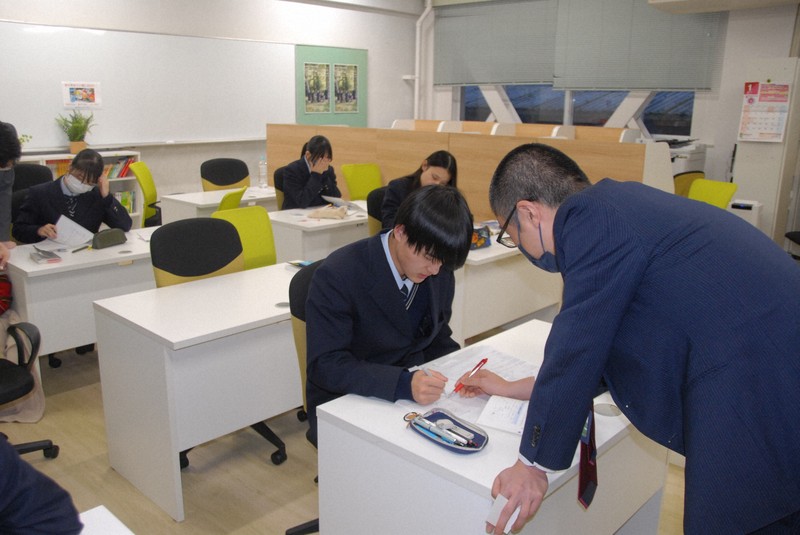
The mountainous region of western Japan, specifically the town of Kawamoto in Shimane Prefecture, is facing a stark demographic challenge: depopulation. With a population hovering around 3,000, the town is a microcosm of a broader national trend where rural areas are struggling to retain their young people and maintain vibrant communities. This challenge is further exacerbated by Japan’s aging population and a declining birthrate. In a bold and innovative move, Kawamoto is not just passively accepting this decline; it’s actively fighting back. The town has launched an unprecedented initiative – a municipally funded public cram school strategically located within its prefectural high school. This groundbreaking project, dubbed “Shimane Chuo Mirai Zemi” (Shimane Chuo Future Seminar), is more than just an academic support center; it’s a vital component of Kawamoto’s ambitious plan to revitalize its community by investing in its youth and bolstering the appeal of its educational institutions.
This initiative, which officially began in January 2026, represents a significant shift in how rural Japanese towns are approaching demographic decline and implementing effective youth retention strategies. Instead of focusing solely on attracting new residents or simply managing a shrinking population, Kawamoto is doubling down on its existing assets, particularly its high school, and transforming it into a hub of opportunity and community engagement. The establishment of Shimane Chuo Mirai Zemi addresses a critical need identified by parents and educators alike: providing accessible and high-quality supplementary education to students who are increasingly facing the pressure of competitive university entrance exams.
The Growing Crisis of Rural Depopulation in Japan
Japan’s rural depopulation crisis is a complex and multifaceted issue that has been a growing concern for decades. Urban centers like Tokyo, Osaka, and Nagoya continue to attract a significant portion of the nation’s young workforce and students, leading to a significant rural exodus and leaving behind aging populations and declining local economies in the countryside. This exodus is driven by a confluence of factors, including limited job opportunities, fewer social amenities, and the perception that urban areas offer greater prospects for education and career advancement.
The consequences of this demographic shift are profound. Vanishing points in Japan’s rural landscapes are becoming increasingly common, with many villages facing the prospect of disappearing entirely. The closure of local schools, the decline of essential services, and the erosion of traditional community structures are all direct results of this ongoing trend, highlighting the urgent need for sustainable community development. The government has implemented various measures to combat this, including increased child allowances and expanded economic assistance for families. However, the effectiveness of these policies in reversing the tide of depopulation remains a subject of ongoing debate.
This situation has led to innovative approaches to revitalizing rural Japan. Some towns are repurposing abandoned schools into unique accommodations or community centers, breathing new life into neglected infrastructure. These diverse regional revitalization efforts are crucial. Others are focusing on attracting a specific type of new resident – individuals who are not just seeking housing but are looking to become active community members who will participate, contribute, and stay. The underlying sentiment from these depopulating towns is a desire for genuine engagement and a shared commitment to the future of their locales.
Kawamoto’s Strategic Pivot: The High School as a Community Anchor
Kawamoto’s journey to establishing the public cram school is a testament to its strategic vision and resilience in the face of significant demographic challenges. The town, which once boasted a population of around 12,000, has experienced a significant decline, leading to financial difficulties and challenging decisions regarding public services. Despite exploring mergers with neighboring municipalities, Kawamoto chose to remain an independent town, a decision that, while preserving local autonomy, meant foregoing certain national subsidies.
In the face of these challenges, the Shimane Prefectural Shimane Chuo High School emerged as a crucial focal point for the town’s development strategy. A concerted community effort was mounted to ensure the school’s survival, culminating in the merger of two local high schools in 2007. This decision was instrumental in creating a larger, more viable educational institution capable of attracting students beyond the immediate town limits.
The high school has actively pursued strategies to enhance its appeal, particularly to students from outside the prefecture. This includes fostering strong club activities, such as nationally recognized brass band and canoe clubs, and a highly regarded boys’ baseball club. The establishment of the prefecture’s only girls’ hardball baseball club further diversified its offerings. The municipal government has played a supportive role by investing in dormitories for out-of-prefecture students and facilitating the recruitment of external instructors. By fiscal year 2025, Shimane Chuo High School was enrolling approximately 240 students from around 120 junior high schools, with about 40% of these students hailing from outside Shimane Prefecture. This success highlights the potential for rural educational institutions to thrive with targeted investment and strategic outreach.
“Shimane Chuo Mirai Zemi”: Bridging the Educational Divide
The decision to establish a municipally funded cram school stemmed directly from feedback received during school information sessions held in major urban centers like Tokyo and Osaka. A recurring question from prospective parents was the availability of cram school facilities in Kawamoto. The absence of such resources was a significant deterrent, creating an educational opportunity gap between rural areas and cities, underscoring the existing educational disparities.
“Shimane Chuo Mirai Zemi” directly addresses this concern. By situating the cram school within the high school premises, the town is making supplementary education accessible and convenient for its students. This integration allows students to seamlessly transition from their club activities to focused study sessions, a crucial consideration for those balancing academic pursuits with extracurricular commitments. The aim is to provide a nurturing environment where students can pursue university aspirations while continuing their active participation in school life, contributing to crucial human capital development for the region.
This initiative taps into the well-established Japanese cram school culture, often referred to as “juku.” These institutions play a significant role in the Japanese education system, with a majority of students attending them at some point in their academic careers. The “juku” system is driven by the intense pressure surrounding school entrance exams, which are notoriously competitive. The perceived advantage of extra study and individualized attention offered by cram schools is a powerful motivator for both students and parents.
The structure of Shimane Chuo Mirai Zemi is designed for maximum impact and affordability. Operating on weekdays after school until 9 p.m. and on Saturdays from 10 a.m. to 6 p.m., it caters to the schedules of high school students. The affordable tuition fees, ranging from 5,500 yen (approximately $35) for four sessions a month to 7,700 yen (around $49) for eight sessions, are made possible through municipal subsidies. This financial accessibility ensures that the cram school is not a luxury but a viable resource for all students, regardless of their family’s economic background.
The operations of Shimane Chuo Mirai Zemi are managed by Birth47 Inc., a Tokyo-based company with a proven track record of establishing publicly funded, privately operated cram schools in sparsely populated municipalities across Japan, including in Hokkaido and Oita Prefecture. The presence of a dedicated head teacher, Shinya Fujieda, and another instructor who have relocated to Kawamoto is seen as a strong indicator of their commitment. Their arrival is viewed by residents as a sign of determination to revitalize both the high school and the town as a unified entity.
More Than Just Academics: Fostering Community and Future Leaders
The impact of Shimane Chuo Mirai Zemi extends beyond academic achievement. It plays a vital role in fostering a sense of community and belonging among the students and residents of Kawamoto. It also contributes significantly to local economic development by fostering a skilled future workforce. Yuzuna Sato, a third-year student at the cram school who is aiming for admission to a competitive university, embodies this integrated approach. She actively participates in local events, highlighting the unique experience of rural life.
“With cram schools, the gap in academic opportunities between rural areas and cities has disappeared,” Sato remarked. “On top of that, being involved with the community is something unique to living in the countryside.” Her sentiment underscores the success of Kawamoto’s strategy: to create an environment where students can excel academically while also forming strong connections with their community and developing into well-rounded individuals.
The presence of over 200 teenagers at Shimane Chuo High School is a significant asset for a town of about 3,000 people. These young individuals bring energy, dynamism, and the potential for future leadership. The cram school serves as a focal point for their academic growth, but it also contributes to a more vibrant town by keeping young people engaged and invested in their local environment.
At the cram school’s opening ceremony, Mayor Kazuya Nosaka articulated a powerful vision for the students and the town. Holding up a sign, he expressed his hope that they would “create not only your own future, but also the future of Kawamoto and of Japan.” These words resonate deeply, reflecting a renewed determination within the municipal leadership to foster sustainable development and ensure the long-term prosperity of the town.
This initiative aligns with broader efforts to combat depopulation in Japan by creating attractive living and educational environments in rural areas. By addressing the educational needs of its youth and strengthening its educational institutions, Kawamoto is demonstrating a proactive approach to demographic challenges. The success of Shimane Chuo Mirai Zemi could serve as a model for other aging communities in Japan looking to leverage their existing resources for revitalization.
The Future of Rural Education and Community Development
The establishment of Shimane Chuo Mirai Zemi is a bold experiment in rural community development and educational innovation. It acknowledges the realities of depopulation while actively seeking solutions that empower the next generation. By providing accessible, high-quality supplementary education within the framework of its local high school, Kawamoto is not only enhancing its educational offerings but also strengthening the social fabric of its community.
The success of this venture will be measured not only by the number of students who gain admission to universities but also by its impact on student retention and the overall vitality of Kawamoto. If students who benefit from these resources choose to remain in or return to the town after their education, it will represent a significant victory in the fight against depopulation. This model offers a potential pathway for other rural areas grappling with similar demographic challenges and seeking effective youth retention strategies, demonstrating that investing in youth and education can be a powerful engine for revitalization.
As Japan continues to navigate the complexities of its aging and shrinking population, initiatives like Shimane Chuo Mirai Zemi offer a beacon of hope. They underscore the potential for innovation and community-driven solutions to create sustainable and thriving rural futures. The town of Kawamoto, through its commitment to education and its youth, is charting a course towards a brighter tomorrow, proving that even in the face of significant demographic headwinds, a community can choose to invest in its future and build a legacy for generations to come.