The Iran Conflict Standoff: How Trump’s ‘Termination’ Notice Challenges the War Powers Resolution

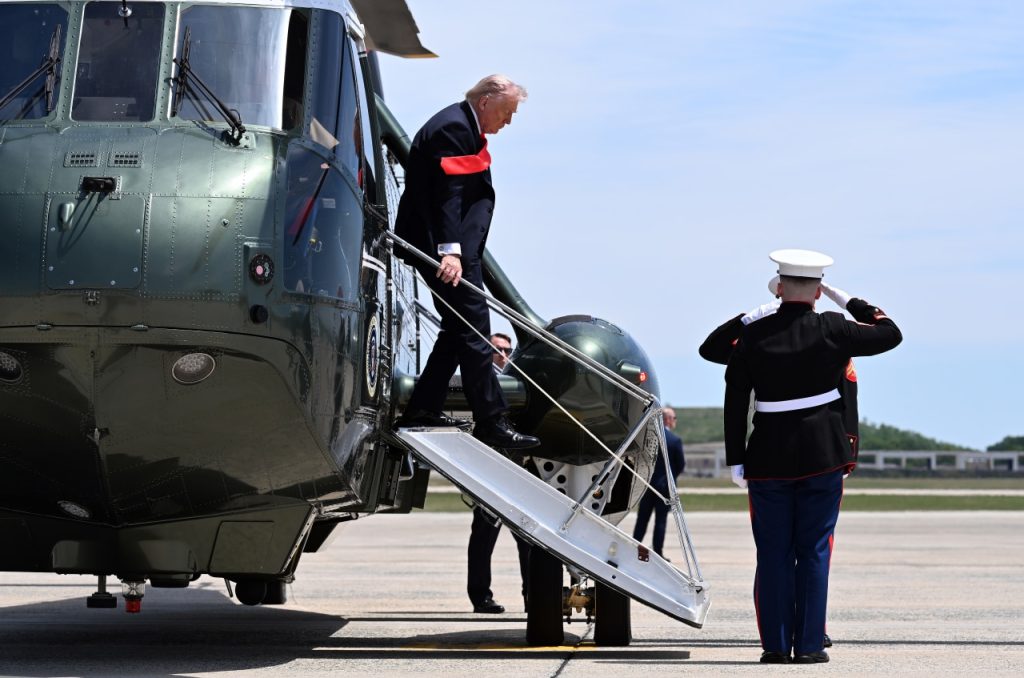
In a high-stakes geopolitical maneuver that has sent shockwaves through Washington, President Donald Trump has formally notified Congress that hostilities against Iran have “terminated.” By declaring the conflict effectively over as of April 7, 2026, the White House has moved to circumvent the 60-day limit imposed by the War Powers Resolution of 1973. This development marks a pivotal moment in the ongoing power struggle between the executive and legislative branches regarding the authority to wage war.
The Legal Tightrope: War Powers and Presidential Authority
The War Powers Resolution serves as a critical check on presidential power, requiring the commander-in-chief to seek congressional approval within 60 days of initiating military action. With the clock ticking toward a Friday deadline, the Trump administration’s assertion that the war is “over” provides a strategic exit ramp from a potential constitutional crisis.
The Administration’s Argument
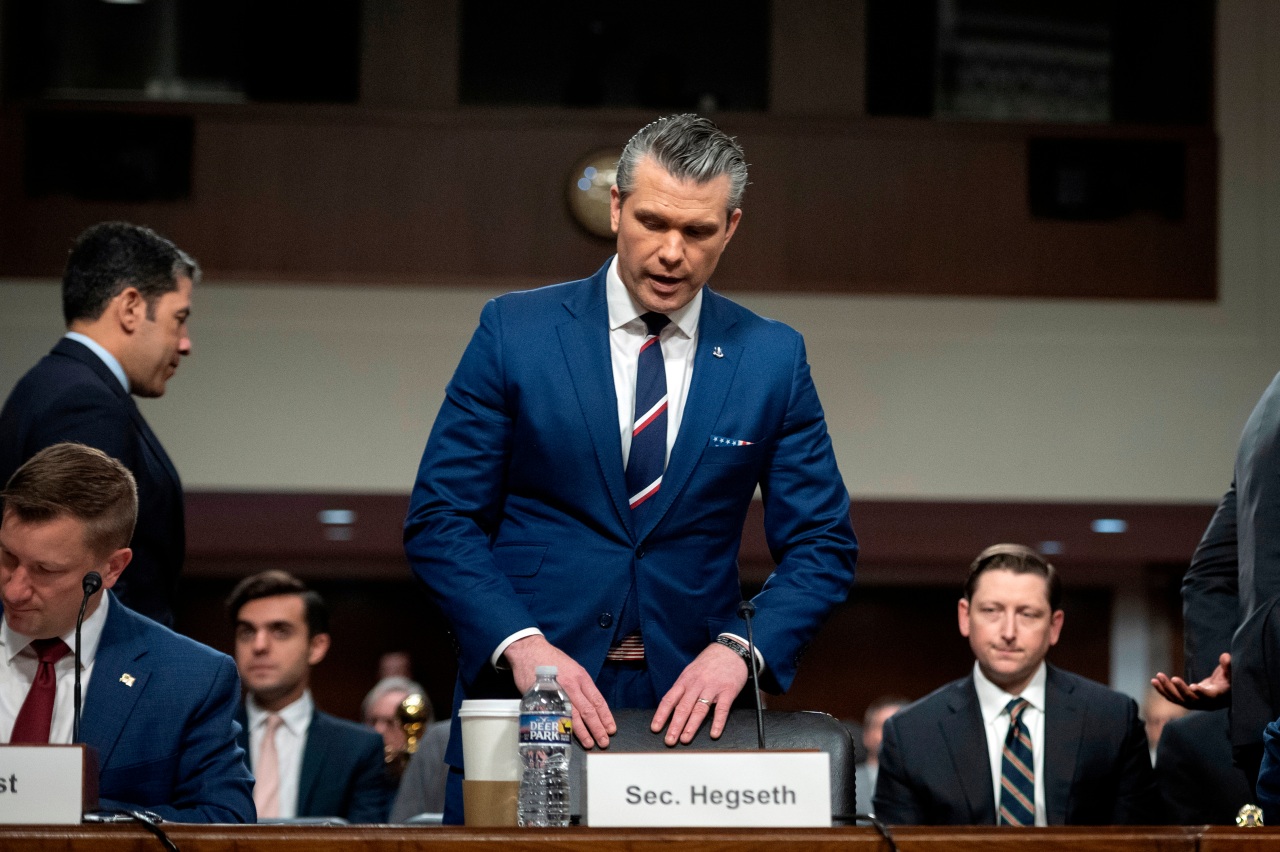
Defense Secretary Pete Hegseth solidified the administration’s stance during a tense Senate hearing. He argued that the April 7 cease-fire effectively paused or terminated the military engagement that began on February 28, 2026. According to the White House, because there has been no direct exchange of fire since that date, the legal clock has stopped.
However, legal scholars and dissenting lawmakers are skeptical. Critics argue that the administration is attempting to “have its cake and eat it too.” While the White House claims the war is over, the U.S. continues to enforce a naval blockade in the Strait of Hormuz—an action that many experts classify as a belligerent act under international law.
The Reality on the Ground: A Blockade in All But Name
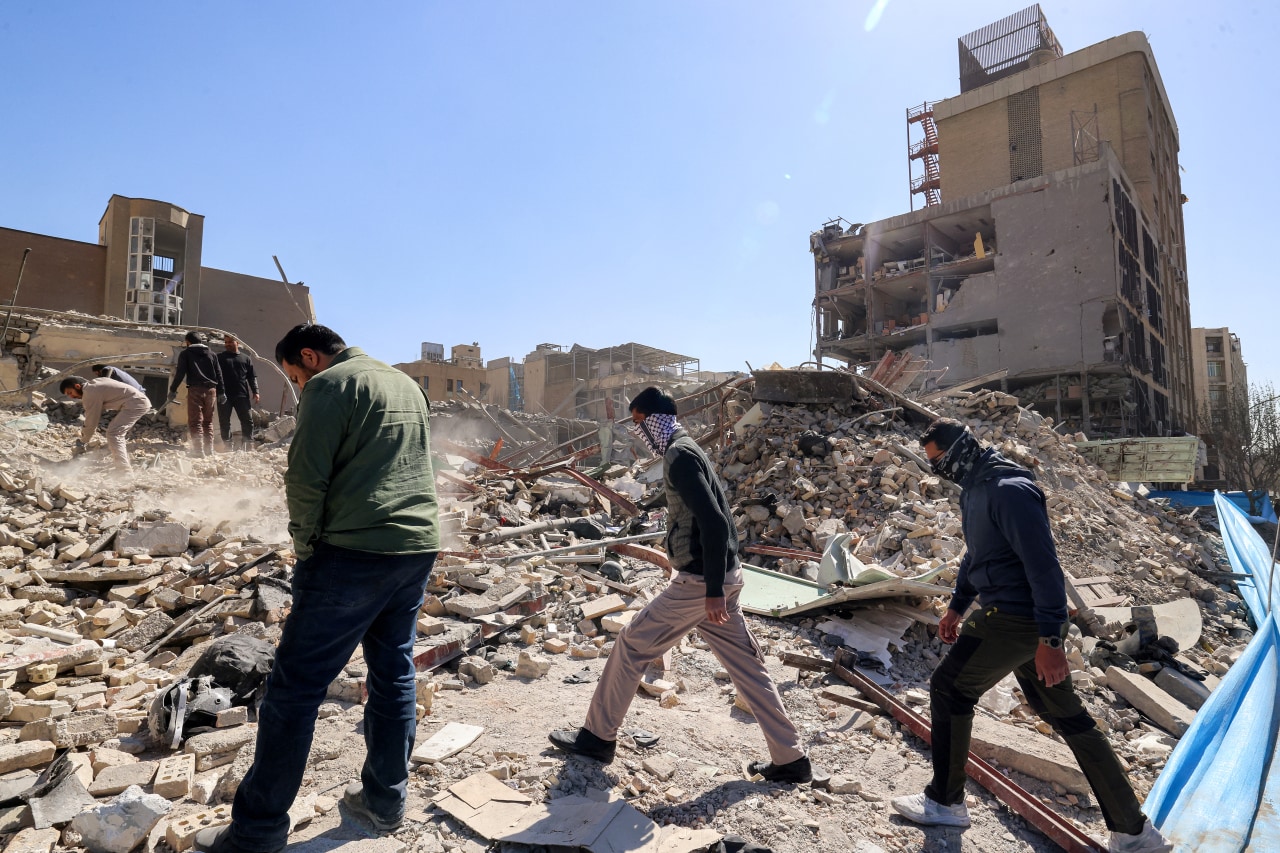
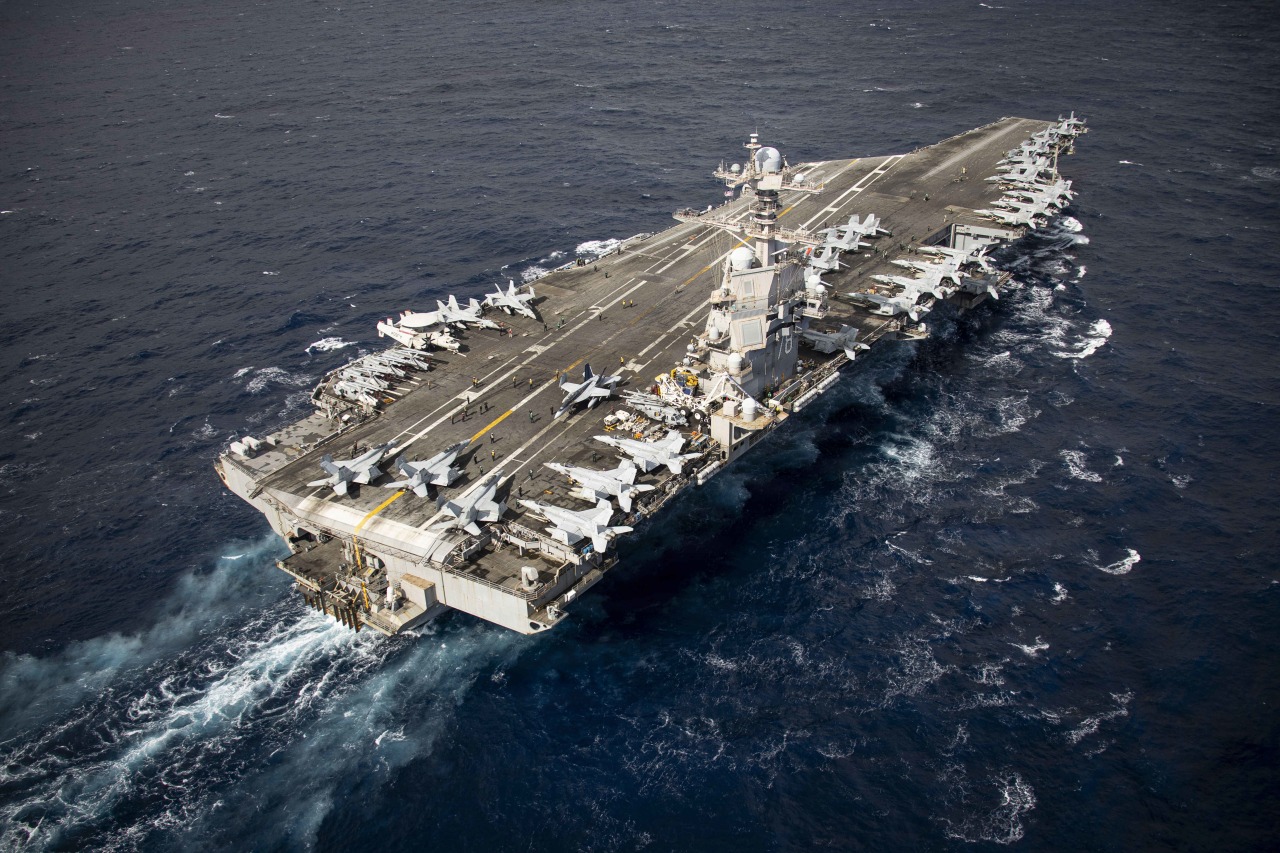
Despite the diplomatic rhetoric, the military reality in the Middle East remains unchanged. The U.S. has maintained a robust presence, including three aircraft carriers, to ensure that Iranian vessels cannot exit or enter their ports.
Economic Implications of the Strait of Hormuz
The ongoing blockade has profound consequences for the global economy. With approximately 20% of the world’s oil supply transiting through the Strait of Hormuz, any disruption creates immediate inflationary pressure. Treasury Secretary Scott Bessent has been clear: the operation will persist until there is a return to “pre-February 27 Freedom of Navigation.”
Energy Prices: Gas and fertilizer costs have spiked, creating a major talking point for the upcoming midterm elections.
Military Readiness: The sustained deployment has significantly drained U.S. munitions stocks, raising concerns among defense analysts about the long-term sustainability of this “non-war” posture.
Legislative Pushback: Can Congress Reclaim Its Power?
The tension on Capitol Hill is palpable. While Senate Republicans have largely blocked Democratic-led attempts to force a vote on the conflict, there is a growing bipartisan sentiment that Congress should have a formal say.
Why the AUMF Matters
Senator Todd Young (R-Indiana) and others have called for an Authorization for Use of Military Force (AUMF). An AUMF would provide the legal framework for the conflict, ensuring that the legislative branch fulfills its constitutional duty to declare war—or at least authorize military engagement.
“The purpose of the War Powers Act was to assert the constitutional responsibility of Congress,” Young noted. “We must ensure that the people, through their elected representatives, weigh in on whether to send our military into combat.”
The Constitutional Conflict: Unconstitutional or Essential?
President Trump has been vocal about his disdain for the War Powers Resolution, echoing long-standing executive branch sentiment that the 1973 law is unconstitutional. By framing the conflict as “terminated,” he avoids a direct confrontation with the judiciary or a forced congressional vote that he might lose.
The Expert Perspective
Legal experts like Mark Nevitt from Emory University highlight the inherent contradiction in the administration’s position. If the U.S. is not at war, then what is the legal justification for a naval blockade?
- International Law vs. Domestic Law: The Supreme Court has historically viewed international law as part of domestic jurisprudence.
- The “Novel and Untested” Argument: Retired military lawyers point out that the administration’s interpretation of a “paused” clock has no precedent in American military history.
What’s Next for U.S.-Iran Relations?
As of mid-2026, the situation remains in a state of “dynamic stalemate.” The administration insists that while the war is over, the threat from Tehran remains “significant.” This allows the Pentagon to continue moving forces around the region under the guise of “protection” rather than “combat.”
For now, the White House has successfully navigated the 60-day hurdle, but the long-term political fallout could be severe. As midterm elections approach, the combination of high energy prices and the lack of a clear legislative mandate for the Iran mission will likely force the administration to eventually seek a more permanent, legal path forward—or risk a deeper confrontation with a Congress increasingly eager to reassert its authority.
Summary of Key Developments
April 7, 2026: Date cited by the White House as the end of active hostilities.
War Powers Resolution: A 1973 law that limits presidential military action without congressional approval.
The Blockade: The ongoing naval operation in the Strait of Hormuz remains the primary sticking point for legal experts.
Midterm Pressure: Economic strain and military depletion are driving calls for an official AUMF.
The battle over the Iran conflict is not just about foreign policy; it is a fundamental test of the separation of powers in the United States. Whether this “terminated” conflict stays buried or erupts into a new legislative showdown remains one of the most critical questions in Washington today.