**Diplomatic Masterclass: How King Charles III Deftly Navigated the Trump White House in 2026**

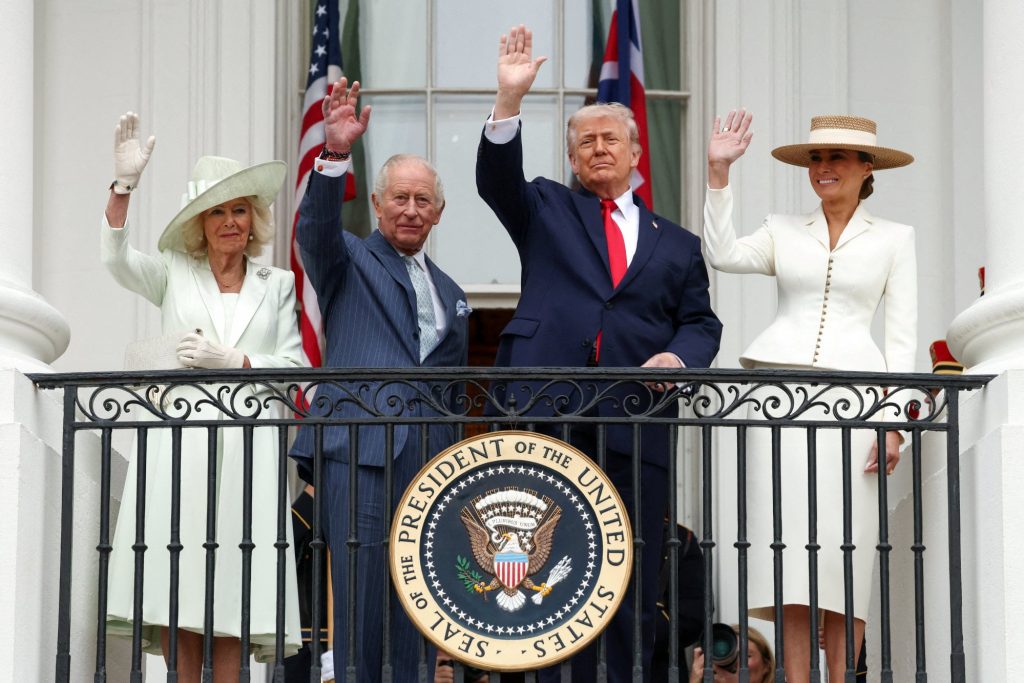
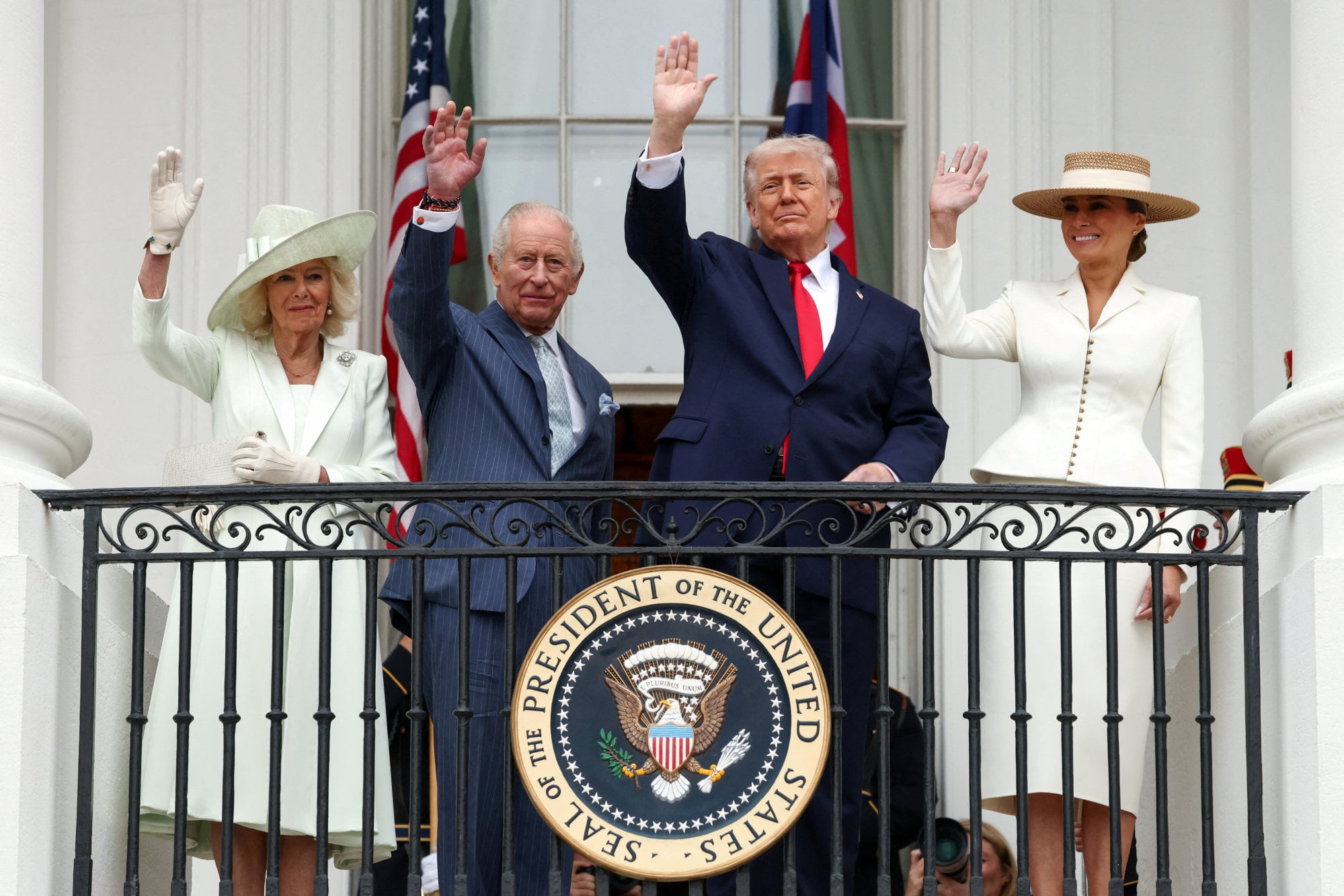
In the high-stakes world of international relations, few events carry as much symbolic weight as a United Kingdom State Visit to the United States. However, the four-day tour undertaken by King Charles III and Queen Camilla in April 2026 was anything but a routine ceremonial exchange. Set against the backdrop of the United States’ 250th anniversary and a period of significant transatlantic tension, the visit has been hailed by historians and political analysts alike as a “diplomatic masterclass.”
King Charles III managed a feat that many thought impossible: maintaining a warm, personal rapport with President Donald Trump while simultaneously delivering firm, principled defenses of international institutions and democratic norms. From the halls of Congress to the glittering East Room of the White House, the British monarch proved that soft power remains one of the UK’s most potent assets in the 21st century.
The Geopolitical Backdrop: A Relationship Under Strain
To understand the magnitude of King Charles’ success, one must look at the state of UK-US relations leading up to the visit. By early 2026, the “Special Relationship” was facing its most rigorous test in decades. President Trump had been vocal in his criticism of British Prime Minister Keir Starmer, particularly regarding the UK’s reluctance to join military strikes in the Middle East.
Trump’s rhetoric had been characteristically blunt, dismissing Starmer as “not Winston Churchill” and labeling various NATO allies as “cowards.” Amidst this friction, the British government requested the King to step in, utilizing the monarchy’s unique ability to transcend partisan politics. The goal was simple but daunting: heal the rifts without compromising British values.
The Congressional Address: A Subtle Defense of Global Order
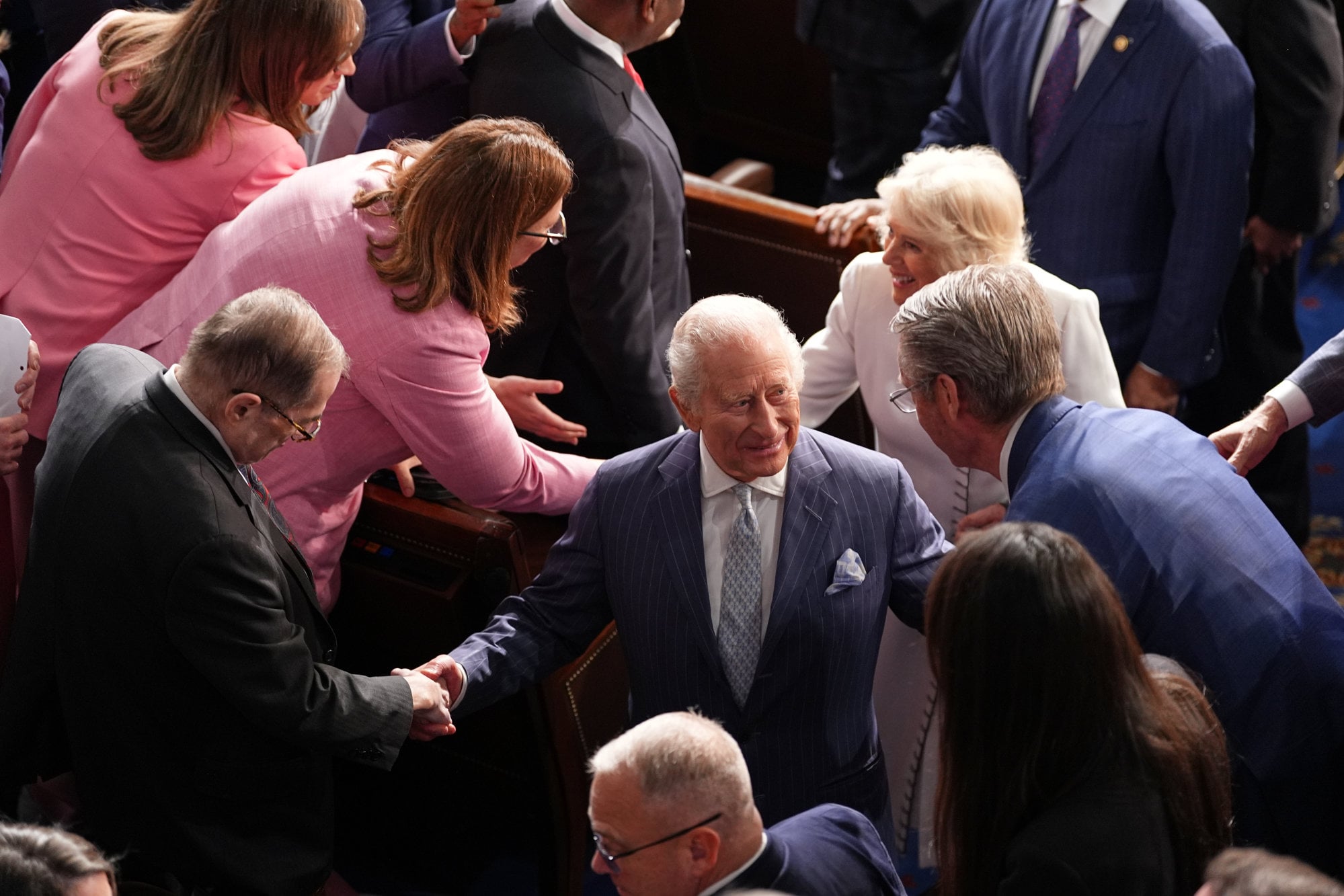
The centerpiece of the visit was the King’s historic address to a joint session of Congress. Speaking with his signature cut-glass accent and a sense of “regal understatement,” Charles delivered a speech that was a masterwork of nuance.
Advocating for NATO and Ukraine
While the Trump administration had championed an “America First” policy that often cast doubt on the future of NATO, King Charles used his platform to underscore the alliance’s “essential role” in global stability. Without naming the President directly, he spoke of the “unyielding resolve” required to support Ukraine against foreign invasion—a direct counter-narrative to the prevailing isolationist sentiment in some corners of Washington.
Climate Change and Democratic Checks
The King did not shy away from his lifelong passion for the environment. He framed the threat of climate change not as a political issue, but as a shared existential challenge for “vibrant, diverse, and free societies.” Furthermore, he pointedly mentioned the importance of “checks on executive power,” a comment that resonated deeply with constitutional scholars and lawmakers from both sides of the aisle.
Historian Anthony Seldon described the performance as “very brave, very smart, and very clever.” The result was an “extraordinary” reception, with both Democrats and Republicans rising for multiple standing ovations.
Whisky Diplomacy: A Tangible Win for British Industry
While diplomacy is often about words, the 2026 state visit yielded a very concrete economic victory. Following several private conversations with the King, President Trump announced he was lifting certain tariffs on Scotch whisky.
The President explicitly stated that this move was a “favor to the British monarch,” whom he described as a “phenomenal representative” for his country. For the British whisky industry, which supports thousands of livelihoods across Scotland, this was a major breakthrough. Buckingham Palace responded with uncharacteristic directness, expressing the King’s “sincere gratitude” for a decision that would make an “important difference.”
This “Whisky Diplomacy” served a dual purpose:
- It provided a tangible benefit to the UK economy.
- It allowed Trump to demonstrate his personal affinity for the monarchy, even as he continued to criticize the Starmer administration.
Navigating Personal and Political Minefields
The visit was not without its potential pitfalls. The shadow of the King’s brother, the exiled Andrew Mountbatten-Windsor, loomed in the background due to ongoing investigations. However, the King handled the sensitive topic with grace.
In his Congressional speech, he referred obliquely to the need to “support victims of some of the ills that exist in both our societies today.” By acknowledging the pain of survivors without derailing the diplomatic mission, he was praised for his “stiff upper lip” and moral clarity. Andrew Lownie, a prominent royal biographer, noted that the trip was “the best defense of the monarchy in years.”
The Trump-Charles Dynamic: A Study in Contrasts
One of the most fascinating aspects of the visit was the clear personal chemistry between the two leaders, despite their vastly different worldviews. President Trump, a long-time admirer of British royal tradition, seemed genuinely charmed by the King’s presence.
At a white-tie state dinner, Trump famously broke convention by claiming that “Charles agrees with me, even more than I do” regarding nuclear proliferation in Iran. While the Palace remained “relaxed” about such claims—noting the King’s adherence to his government’s long-standing positions—the exchange highlighted the King’s ability to remain agreeable without being compliant.
Key Highlights of the Interaction:
Humor as a Tool: The King drew laughs at the state banquet by joking about British troops burning down the White House in 1814, showing a self-deprecating wit that disarmed his hosts.
Military Connection: Charles spoke of his pride in the Royal Navy, a force Trump had previously disparaged, subtly asserting the strength and relevance of British military history.
The “Headmaster” Effect: International media, including Le Monde*, noted that it took a British King to remind US politicians of the “habit of sophisticated speeches.”
Long-Term Impact: Did the Visit Change the Relationship?
The ultimate question remains: will this “diplomatic masterclass” lead to a permanent shift in the transatlantic relationship?
Kristofer Allerfeldt, a professor specializing in American history at the University of Exeter, suggests a nuanced view. “In the short term, probably yes; in the long term, probably no,” he remarked. However, he emphasized that Charles had “definitely clawed back some of the prestige of the monarchy” and provided a much-needed bridge between the two nations during a volatile period.
The King’s performance in 2026 proved that the monarchy is not just a relic of the past, but a functional tool of modern diplomacy. By combining traditional decorum with subtle policy rebukes, Charles III successfully protected British interests and values in the heart of Washington.
Conclusion: A Royal Triumph in the 21st Century
King Charles III’s 2026 state visit to the US will likely be remembered as a defining moment of his reign. He managed to navigate the complexities of a populist American administration while upholding the dignity of the British Crown.
Through a mix of personal charm, strategic speeches, and “Whisky Diplomacy,” the King reaffirmed the strength of the UK-US bond. While political leaders may come and go, the King demonstrated that the “Special Relationship” is built on a foundation that transcends individual administrations—a foundation he helped reinforce with a truly assured performance.