Derek Hutch Allowed to Travel Abroad While Awaiting Sentence Over Serious Collision: A Deep Dive into the Legal Controversy

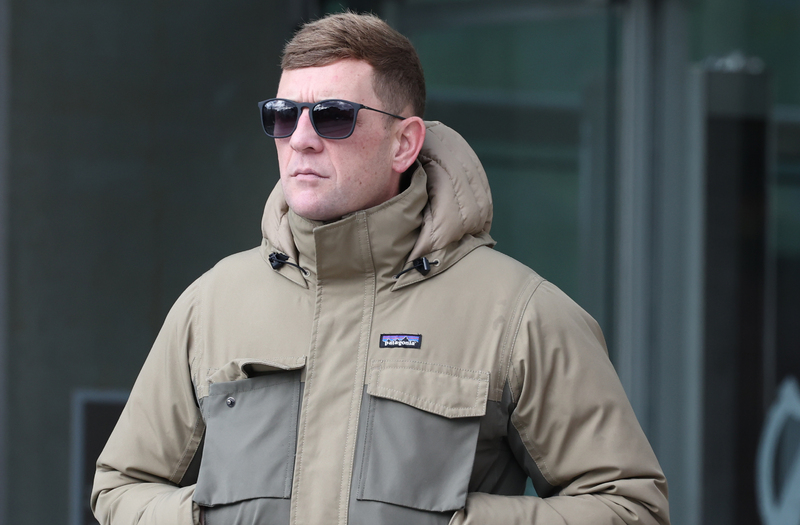
The Irish judicial system is currently at the center of a heated public debate following a significant ruling in the Dublin Circuit Criminal Court. Derek Moore, famously known as “Del Boy” Hutch, has been granted permission to travel abroad for a family holiday despite awaiting sentencing for a high-speed collision that left a Ukrainian grandmother with life-altering injuries.
This decision has sparked conversations regarding bail conditions, the rights of the accused versus the rights of victims, and the complexities of sentencing in high-profile criminal cases. As we move through 2026, the case of Derek Moore remains one of the most watched legal sagas in Ireland.
The Amiens Street Collision: A Recap of the Horror
The charges against Derek Moore (43) stem from a horrific incident on May 27, 2022, on Amiens Street in Dublin’s north inner city. The court heard harrowing details of Moore’s behavior leading up to the crash. Witnesses described seeing Moore on a motorbike, performing “wheelies” and speeding through the narrow city streets.
High-Speed Recklessness
Expert analysis presented during the trial revealed that Moore was traveling at speeds between 150km/hr and 158km/hr shortly before the impact. In a busy urban environment, such speeds are not only illegal but lethal. The prosecution highlighted that Moore was also under the influence of an intoxicant at the time, further compounding the gravity of his actions.
The Victim: Valentyna Linck
The victim of this recklessness was Valentyna Linck, a Ukrainian grandmother who had sought refuge in Ireland. She was crossing Amiens Street with her daughter and a friend when she was struck by Moore’s motorbike. The impact was catastrophic.
Ms. Linck suffered:
Significant facial and head injuries.
A brain bleed and a stroke.
Fractures to her legs and arms.
A month-long coma.
Today, Ms. Linck lives in constant pain. She has undergone multiple surgeries, bears permanent facial scarring, and has lost the independence she once cherished. Her story has become a focal point for road safety advocates demanding harsher penalties for dangerous driving.
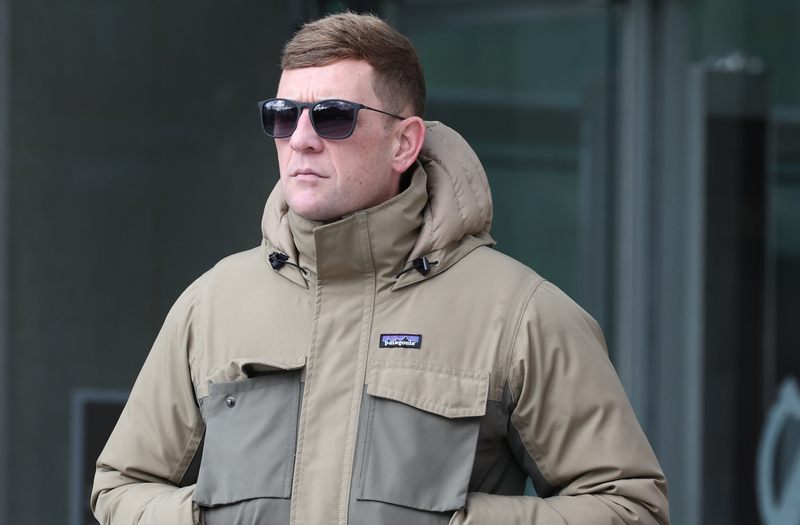
The Legal Turning Point: Bail Variation for a Family Holiday
In a move that surprised many legal observers, Judge Orla Crowe recently presided over a bail variation hearing. The defense, led by Luigi Rea BL, requested that Moore be allowed to travel abroad for one week for a family holiday.
Garda Objections
The application was met with stiff resistance from Detective Garda Shane Noone. The prosecution argued that Moore’s status had fundamentally changed. Having already pleaded guilty to dangerous driving causing serious harm, Moore is no longer a “presumed innocent” party in the same way he was before the plea. He is now a convicted individual awaiting a likely custodial sentence.
Detective Garda Noone also noted the anxiety of the victim, who is eager to see the case finalized and justice served.
The Defense’s Argument
The defense argued that Moore has a history of complying with bail conditions. They pointed out that:
- Moore has traveled abroad previously while on bail and returned without incident.
- He has consistently surrendered his passport when required.
- The opportunity for the family holiday arose unexpectedly.
Moore himself took the stand, assuring the court that he would return to face his sentencing. His legal team argued that if he were “foolish enough” to abscond, the “mechanisms for his return” (such as European Arrest Warrants) would ensure he was caught quickly.
Why the Delay? ADHD and Detoxification
One of the most unique aspects of this case is the reason for the sentencing delay. While Judge Pauline Codd has already indicated that a custodial sentence is “likely,” she adjourned the finalization of the case until June 29, 2026.
ADHD Diagnosis
Recently, Derek Moore was diagnosed with Attention Deficit Hyperactivity Disorder (ADHD). His legal team argued that for Moore to be managed effectively within the prison system, he needs to be stabilized on specific medication.
Benzodiazepine Detox
However, Moore cannot begin ADHD medication while using benzodiazepines. Judge Codd granted the adjournment to allow Moore to undergo a supervised detoxification process. This medical window was intended to ensure that when he enters the penal system, his health needs are addressed, potentially reducing the risk of behavioral issues during incarceration.
A History of Violence: The “Hutch” Legacy
To understand the public outcry over the bail variation, one must look at Derek Moore’s extensive criminal history. With 44 previous convictions, Moore is far from a first-time offender. His record includes:
Manslaughter
Assault causing serious harm
Attempted robbery
Possession of drugs
Endangerment
Eight previous counts of dangerous driving
The name “Hutch” also carries significant weight in Dublin. As a member of the Hutch family, Derek (who now uses the surname Moore) has lived through the violent Kinahan-Hutch feud, which claimed the lives of several of his family members. While the court acknowledged these “horrible circumstances” of his family life, the focus remains on his personal record of recidivism.
The Public and Legal Implications
The decision to allow a convicted killer—awaiting sentence for yet another act of serious harm—to go on holiday has raised several questions about the Irish legal system.
Judicial Discretion
Judge Orla Crowe’s decision to relax bail conditions highlights the high level of judicial discretion in Ireland. The judge noted that because Moore had honored previous travel permissions, there was a precedent for trust. However, critics argue that the gravity of the 2022 collision and the high probability of a long prison sentence create a significant flight risk.
Victim Impact
For Valentyna Linck and her family, the legal process has been long and grueling. In 2026, four years after the incident, they are still waiting for a final resolution. The news of Moore’s holiday is seen by some as a “slap in the face” to a woman whose life was irrevocably changed by his “wheelies” and high-speed antics.
Road Safety Advocacy
Road safety groups have used this case to highlight what they perceive as leniency toward dangerous drivers. With Moore facing up to 10 years in prison, the final sentence on June 29 will be a landmark moment for road traffic law enforcement in Ireland.
What Happens Next?
As Derek Moore prepares for his week-long trip, the eyes of the Gardaí and the public will be on his return.
Key Dates to Watch:
Early 2026: Moore’s family holiday and return to Ireland.
Spring 2026: Completion of the benzodiazepine detox and commencement of ADHD treatment.
- June 29, 2026: Final sentencing hearing before Judge Pauline Codd.
If Moore returns as promised, the court will proceed to weigh his guilty plea and “remorse” against his 44 previous convictions and the devastating impact on Ms. Linck.
Conclusion
The case of Derek Moore (aka Hutch) is a complex intersection of medical needs, legal rights, and the pursuit of justice. While the court has shown a degree of compassion by allowing a family holiday and time for medical stabilization, the looming shadow of a 10-year sentence remains.
For the Irish public, the ultimate test of the system will occur in June 2026. Will the sentence reflect the “serious harm” caused to a grandmother simply crossing the street, or will the mitigating factors of Moore’s background and health lead to a more lenient outcome? Only time will tell.