Zack Polanski Issues Public Apology After Golders Green Police Row: A Turning Point for Green Party Leadership?

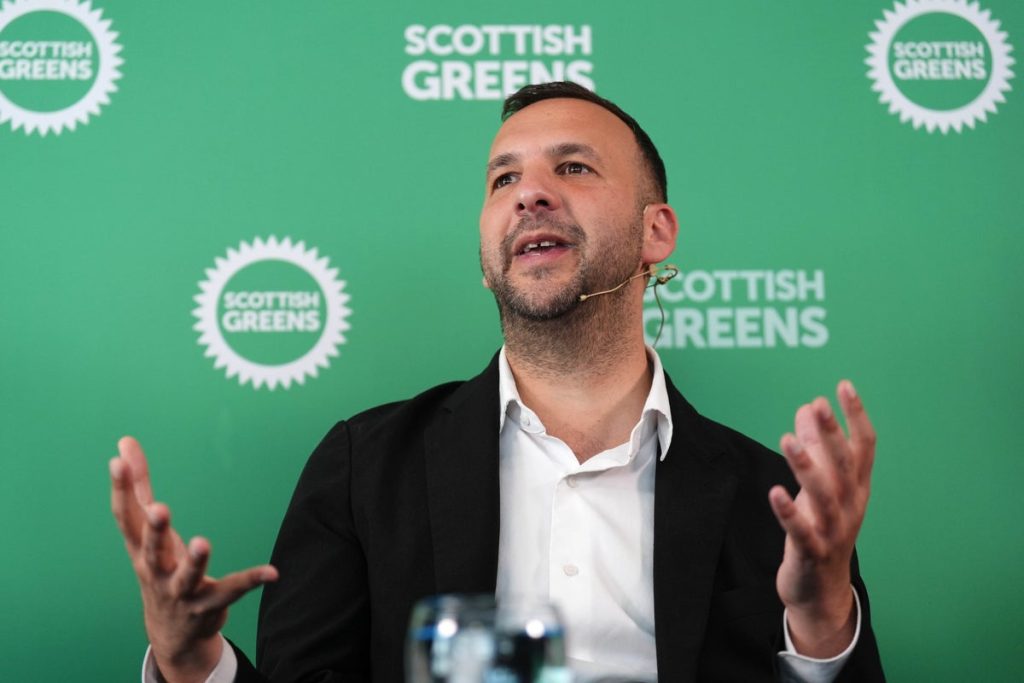
In the fast-paced world of 2026 political discourse, a single social media post can ignite a national firestorm. Green Party leader Zack Polanski recently found himself at the center of such a storm, leading to a formal apology that has sent ripples through the UK political landscape. The controversy stems from his criticism of the Metropolitan Police’s response to a terrifying terror attack in Golders Green, an incident that tested the nerves of the public and the resolve of law enforcement.
Following intense pressure from the Prime Minister, the Met Commissioner, and even his own party members, Polanski has expressed regret for sharing “inaccurate” information. This article delves into the details of the Golders Green incident, the subsequent political fallout, and what this means for the future of the Green Party in an increasingly polarized era.
The Golders Green Attack: A High-Stakes Intervention
The incident that sparked the controversy occurred on a Wednesday in May 2026. A suspect, allegedly armed and behaving erratically, launched an attack in the heart of Golders Green. The Metropolitan Police were forced to make split-second decisions to neutralize a threat that many, including Prime Minister Keir Starmer, believed could have involved an explosive device.
Officers at the scene utilized tasers to incapacitate the suspect, who was reportedly wearing a rucksack. In the tense moments following the deployment of the taser, officers worked to secure the individual while ensuring no secondary threats remained. It was these specific moments of detention that became the focal point of Polanski’s social media activity.
The “Inaccurate” Social Media Post
Shortly after the arrest, Zack Polanski reshared a post on X (formerly Twitter) that accused Met officers of “repeatedly and violently kicking a mentally ill man in the head” while he was already incapacitated. The post suggested that the police response was a disproportionate use of force against a vulnerable individual.
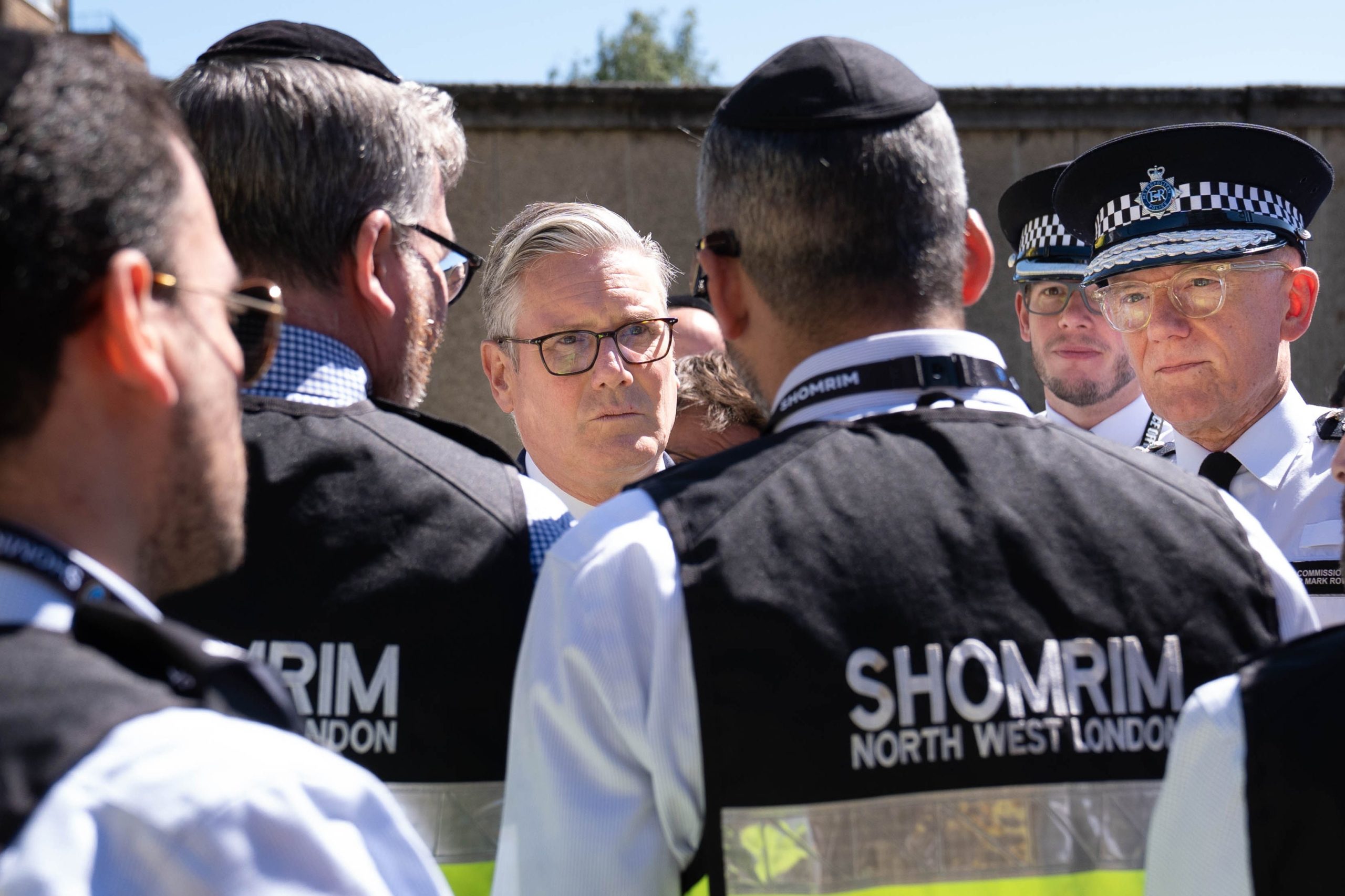
However, Metropolitan Police Commissioner Sir Mark Rowley quickly moved to debunk this narrative. He described the shared post as “inaccurate and misguided,” asserting that the officers acted with extraordinary bravery under the suspicion that the suspect might detonate a bomb.
Political Condemnation: From Downing Street to the Green Party
The backlash against Polanski was swift and came from the highest levels of government. Prime Minister Keir Starmer did not mince words, labeling Polanski’s actions as “disgraceful” and stating bluntly that he was “not fit to lead any political party.”
Starmer, drawing on his experience as a former Director of Public Prosecutions, emphasized the psychological pressure on the officers. He noted that with only two shots in a taser and a suspect wearing a rucksack, officers must assume the worst-case scenario—a suicide vest—to protect the public.
Internal Strife Within the Green Party
Perhaps more damaging for Polanski was the criticism from within his own ranks. As the UK looks toward the 2026 Senedd elections, the Green Party’s image of unity was momentarily fractured.
Anthony Slaughter, the Green Party’s Welsh leader, admitted during an LBC debate that retweeting the post appeared “inappropriate.”
Rachel Millward, the party’s deputy leader, distanced herself from the controversy on Question Time, expressing her “extreme gratitude” for the bravery of the emergency services.
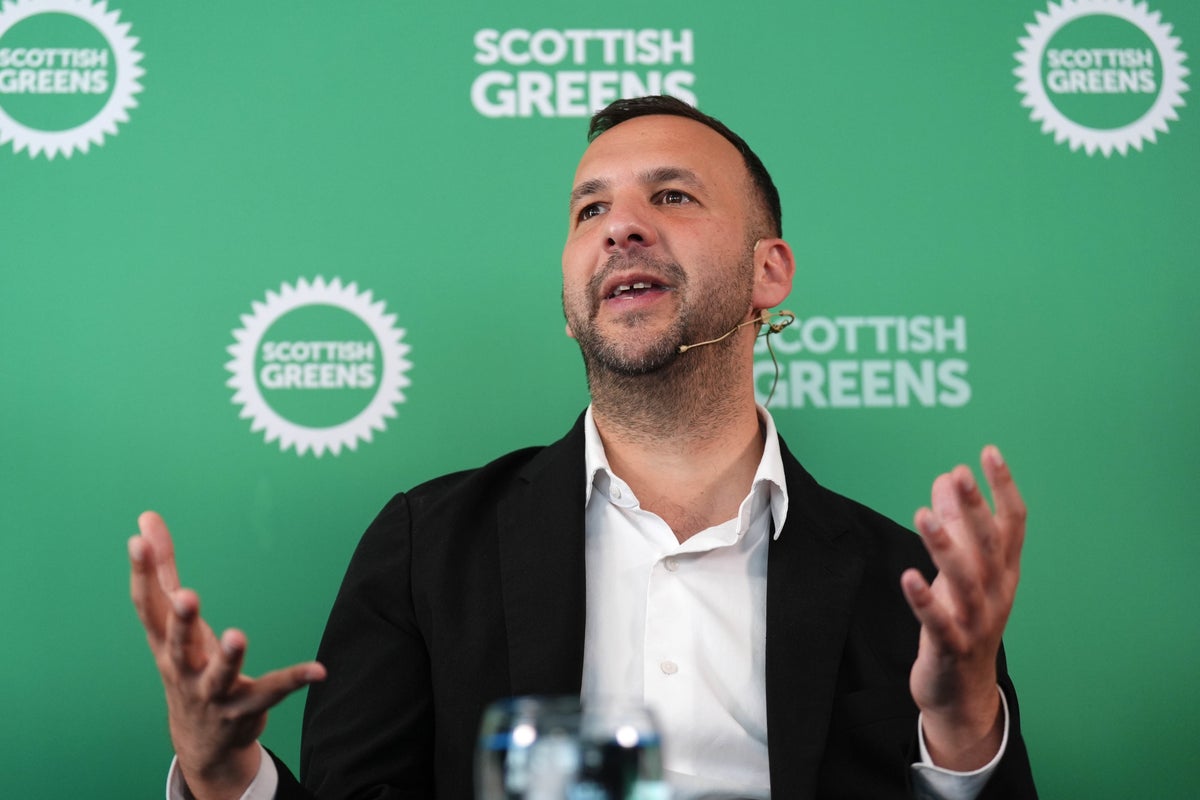
This internal friction highlights the delicate balance third-party leaders must strike between holding authority to account and appearing supportive of essential public services during times of national trauma.
Sir Mark Rowley’s Rare Intervention
It is uncommon for the Metropolitan Police Commissioner to engage directly with a political leader over a social media post. However, Sir Mark Rowley felt that Polanski’s actions crossed a line into “undermining the force.”
In a formal letter to the Green leader, Rowley warned of a “chilling effect” on policing. He argued that if officers fear they will be unfairly vilified by public figures while performing life-saving duties, they may hesitate in critical moments. Rowley emphasized that the officers involved were still “shaken” by the intensity of the Golders Green encounter.
“I’m not interested in politics,” Rowley told LBC, “but if somebody eminent… does something which I see has a risk to undermining the confidence of my officers to act… I need to intervene.”
The Apology: “Lowering the Temperature”
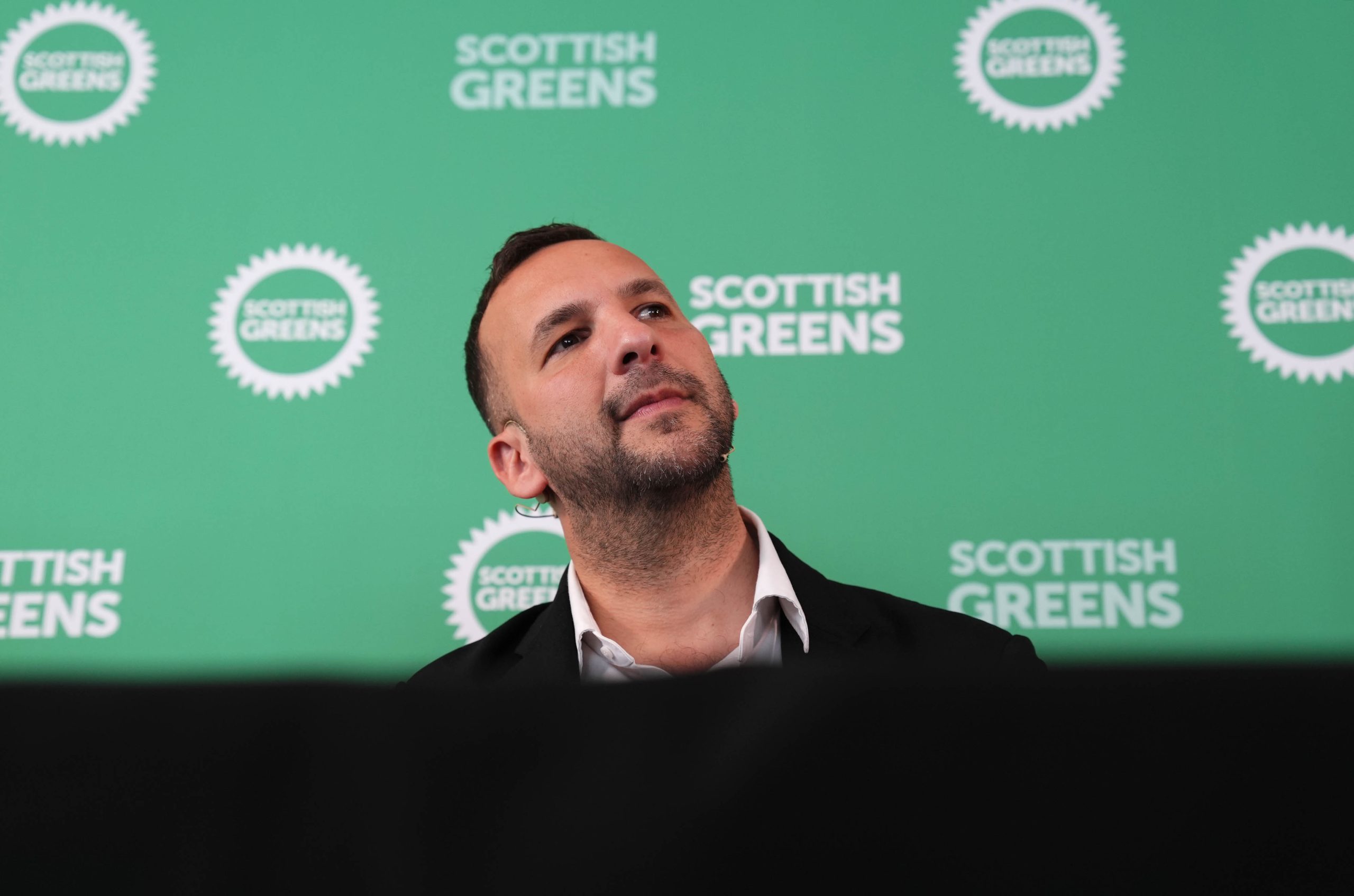
Facing a wall of opposition, Zack Polanski issued a comprehensive apology. He acknowledged his responsibility as a leader to “lower the temperature” during times of high social tension.
Key points from Polanski’s statement included:
- Admission of Haste: He admitted to sharing the tweet “in haste” without fully verifying the facts.
- Appropriate Channels: He accepted that social media is not the right forum for “later reflection” on police tactics.
- Invitation for Dialogue: Polanski has invited Sir Mark Rowley to a meeting to discuss both the Golders Green response and the wider issues of policing and public trust.
Analysis: The Perils of Instant Reaction in 2026
The Polanski incident serves as a modern case study in the dangers of “reactive politics.” In an era where information (and misinformation) travels at the speed of light, political leaders are often pressured to comment on breaking news before the full context is available.
The Responsibility of Leadership
Leadership in 2026 requires a level of digital literacy and restraint that was perhaps less critical a decade ago. For Polanski, the desire to highlight potential police misconduct—a traditional pillar of Green Party advocacy—clashed with the factual reality of a terror-related intervention. By failing to wait for the facts, he inadvertently provided ammunition to his political rivals.
Impact on the Green Party’s Image
The Green Party has spent years trying to move from a “single-issue” environmental party to a serious contender in general governance. Controversies like this can set back those efforts by making the leadership appear “unserious” about national security. However, Polanski’s willingness to apologize and seek a meeting with the Met Commissioner suggests a desire to pivot toward a more statesmanlike approach.
What Happens Next?
The upcoming meeting between Zack Polanski and Sir Mark Rowley will be closely watched. It offers an opportunity for the Green Party to mend fences with the Metropolitan Police and for Polanski to demonstrate that he can engage constructively with law enforcement.
Meanwhile, the Golders Green attack continues to be investigated. The bravery of the officers who put themselves in harm’s way has been widely recognized, and the discussion has shifted from the arrest tactics to the broader issue of community safety and counter-terrorism in the UK.
Key Takeaways for UK Politics
Verification is Vital: Public figures must verify “viral” content before endorsing it.
Police Morale Matters: The Met is increasingly vocal about the impact of political criticism on officer retention and confidence.
- Cross-Party Unity: On matters of terror and immediate public danger, there is little appetite for partisan bickering.
As the 2026 political calendar continues, Zack Polanski will likely be working hard to ensure his social media presence reflects the “responsible leadership” he touted in his apology. Whether this incident will have a long-term impact on his standing within the party or with the electorate remains to be seen.