The Weight of a Final Word: Understanding the ‘Dying Declaration’ in the Wayne Reid Murder Case


In the complex landscape of criminal law, few pieces of evidence carry as much psychological and legal gravity as the “dying declaration.” As the High Court continues to deliberate on the tragic 2026 murder of 43-year-old Wayne Reid in Coleraine, Co Derry, the validity of his final statements has become the focal point of the prosecution’s case.
The case against 34-year-old Darrell Joseph Shaw hinges not only on forensic findings but on the harrowing phone calls Mr. Reid reportedly made in the hours leading up to his death. These calls, in which he allegedly named his attackers, serve as a bridge between the victim’s final moments and the courtroom’s search for justice.
The Tragic Circumstances of Wayne Reid’s Death
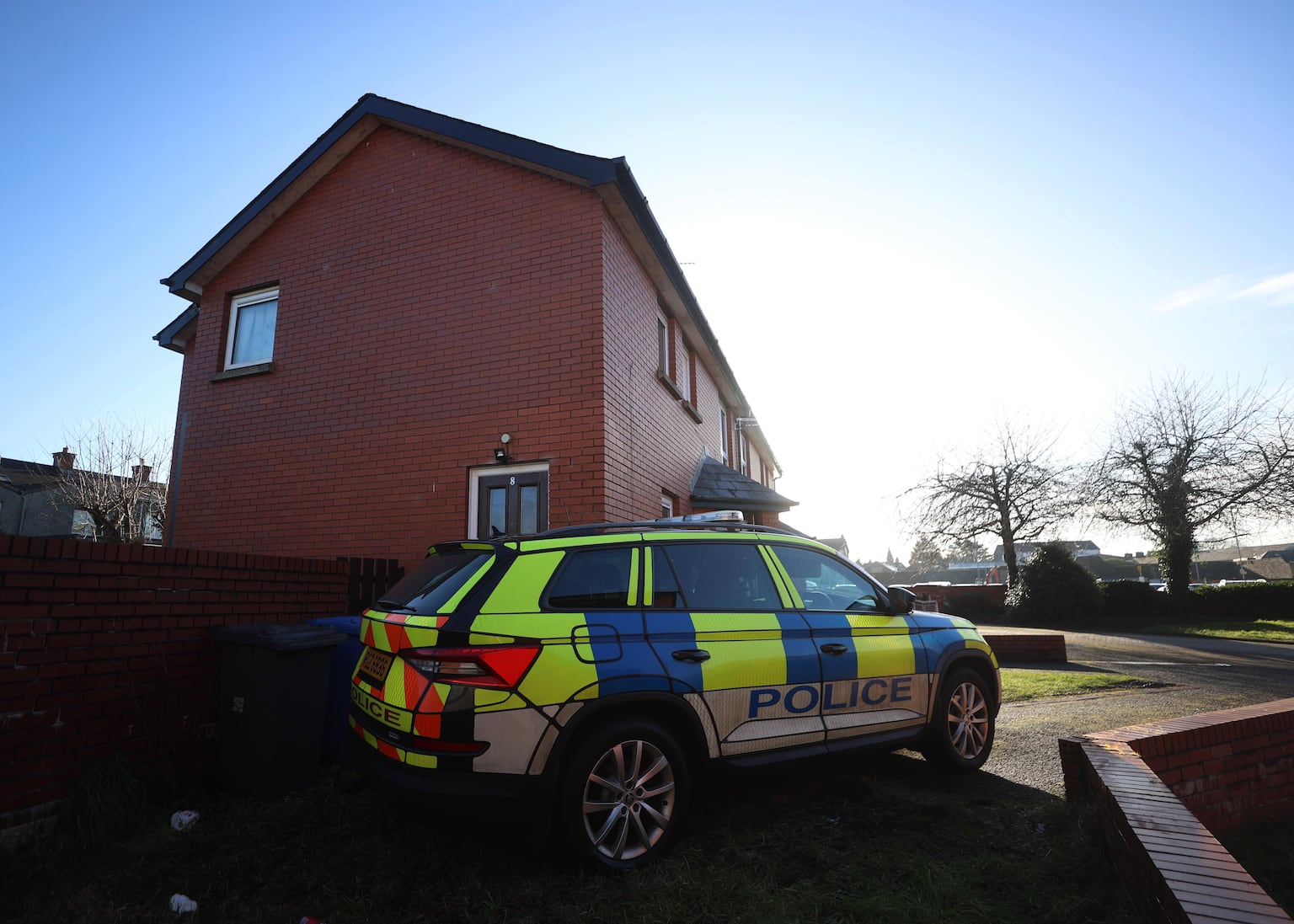
On January 12, 2026, the discovery of Wayne Reid’s body in a property in the Society Court area of Coleraine shocked the local community. A subsequent post-mortem examination revealed the cause of death to be a ruptured spleen resulting from blunt force trauma. Investigators believe the fatal assault occurred two days prior at a nearby flat, after which Mr. Reid sought refuge, only to succumb to his internal injuries.

The prosecution alleges that Mr. Reid was subjected to a brutal beating involving an iron bar. The severity of his injuries—which included three broken ribs and extensive bruising—aligns with the medical examiner’s assessment of a weaponized assault. Detectives later discovered an iron bar submerged in “bleach-infused water” at the suspected scene of the attack, a discovery that suggests a calculated attempt to destroy forensic DNA evidence.
The Legal Significance of a ‘Dying Declaration’
In legal terminology, a dying declaration is a statement made by a person who believes their death is imminent, concerning the cause or circumstances of what they believe to be their impending demise. Because the law assumes that a person at the point of death has no motive to lie, these statements are often granted a unique status of credibility in court.
Why Courts Value Final Statements
Courts across various jurisdictions, from the High Court to international supreme courts, have historically treated dying declarations as “evidence of the highest order.” The rationale is rooted in the belief that the solemnity of the situation acts as a secular equivalent to an oath, ensuring the truth is spoken.
In the case of Wayne Reid, prosecutors have presented evidence that he contacted two separate witnesses via phone shortly after the beating. During these calls, he reportedly provided a consistent account of being battered and robbed, specifically identifying Darrell Joseph Shaw as one of his assailants.
The Defense’s Perspective and Forensic Challenges
While the prosecution leans heavily on the dying declaration, the defense, led by barrister Michael Forde, has raised significant questions regarding the reliability of the evidence. The defense strategy focuses on several key arguments:
- Alternative Causes of Injury: Defense representatives have argued that Mr. Reid’s injuries could have resulted from a fall, a collapse, or an unrelated incident during the two-day window between the alleged attack and the discovery of his body.
- Ambiguity of Involvement: The defense highlights that even if the phone calls are accepted as factual, the victim did not explicitly state that Shaw was the one wielding the iron bar. They contend that the case might, at its height, only support a charge of common assault rather than murder.
- Procedural Hurdles: With 29 seized mobile phones and over 1,300 hours of CCTV footage to analyze, the defense has warned of significant investigative delays. They argue that the sheer volume of data makes establishing a definitive timeline exceptionally difficult.
Forensic Evidence vs. Testimonial Evidence
While the dying declaration provides the narrative, the physical evidence remains a point of contention. Forensic testing identified Mr. Reid’s blood on Shaw’s clothing, a finding that the prosecution views as a “smoking gun.” However, Shaw, who is currently of no fixed abode, has denied all responsibility in a pre-prepared statement provided to police.
The ongoing animosity between the two men—reportedly stemming from a dispute over a stolen car—is being explored by investigators as a potential motive. This history of conflict provides the context for why the victim would have identified Shaw specifically, yet the defense maintains that this history does not equate to proof of a fatal attack.
The Bail Decision and Future Implications
During the recent hearing, Mr. Justice McLaughlin addressed an application for bail for Darrell Joseph Shaw. While the judge acknowledged the risks associated with the case, he indicated a willingness to grant bail provided that an approved address can be secured.
The judge stated: “This is a case where the risks, in light of the passage of time, could be mitigated on bail.” This development underscores the court’s commitment to due process, even in cases involving high-stakes allegations of murder. The decision also reflects the reality of modern criminal trials, where the complexity of digital evidence often leads to prolonged custody periods that must be balanced against the defendant’s rights.
Conclusion: Seeking the Truth
The case of Wayne Reid serves as a sobering reminder of the complexities inherent in criminal investigations. As the legal teams prepare for further proceedings, the core issue remains whether the victim’s final words—his dying declaration—will be enough to secure a conviction.
The integration of testimonial evidence with forensic science, such as the analysis of the bleach-treated iron bar and the blood-stained clothing, will ultimately determine the outcome. For now, the legal community and the public wait to see how the court balances the weight of a dying declaration against the rigorous standards of forensic proof required for a murder conviction in 2026.