The 2026 Constitutional Standoff: Trump Declares Iran War ‘Terminated’ to Sidestep War Powers Deadline

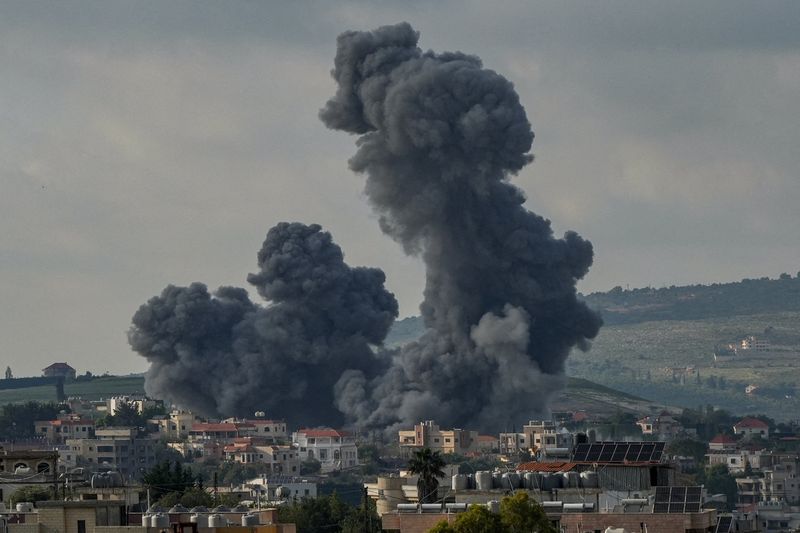
The geopolitical landscape of 2026 shifted dramatically on May 1st as President Donald Trump officially informed Congress that hostilities with Iran have “terminated.” This high-stakes announcement arrived exactly at the 60-day deadline mandated by the 1973 War Powers Resolution, sparking a fierce constitutional debate over the limits of executive military authority.
By claiming that a recent ceasefire has effectively ended the conflict that began on February 28, 2026, the Trump administration seeks to reset the legal clock. This move allows the White House to maintain a massive military presence in the Middle East without seeking formal authorization from a divided Congress.
The 60-Day Clock: Understanding the War Powers Resolution
At the heart of this controversy is the War Powers Resolution of 1973. This federal law was designed to check the president’s power to commit the United States to an armed conflict without the consent of the U.S. Congress. Under the law, a president can engage in military action for only 60 days before they must either obtain a declaration of war, receive specific statutory authorization, or begin withdrawing troops.
Why May 1, 2026, Matters
The conflict, which saw its first airstrikes two months ago, reached its legal “threshold” this Friday. Had the President not declared the war “terminated,” the law would have required him to seek a 30-day extension based on “unavoidable military necessity” or face a mandatory withdrawal of forces.
By utilizing the “terminated” terminology, Trump is essentially arguing that the 60-day clock has stopped, rendering the deadline moot. This strategy has been met with both praise from loyalists and vitriol from constitutional scholars and Democratic lawmakers.
A “Terminated” Conflict? The White House Argument
In a formal letter to congressional leaders, President Trump stated that there has been no exchange of fire with Iranian forces since a ceasefire was established in early April. “The hostilities that began on February 28, 2026, have terminated,” the President wrote, asserting that the immediate threat has been neutralized for the time being.
The Role of Defense Secretary Pete Hegseth
Supporting this stance, Defense Secretary Pete Hegseth argued before the Senate that the ceasefire effectively “paused” the conflict. Hegseth and other administration officials contend that the War Powers Resolution does not apply to situations where active combat has ceased, even if a state of high tension and military blockade remains.
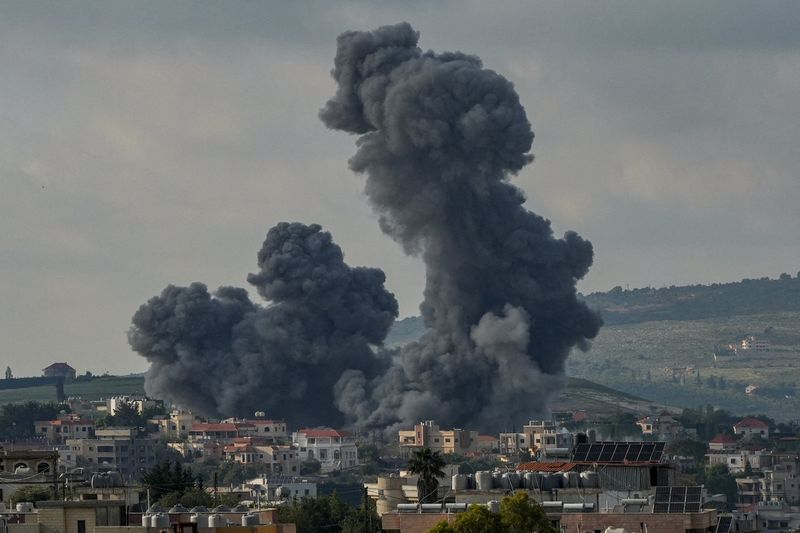
The administration’s view is that the War Powers Act is unconstitutional to begin with. Trump has frequently echoed the sentiments of past presidents—both Republican and Democrat—who believe the law infringes upon the President’s role as Commander-in-Chief.
“No Way Out”: Democrats Challenge the Ceasefire Narrative
Congressional Democrats have been quick to dismiss the President’s characterization of the conflict. Leading the charge is Senator Jeanne Shaheen, the top Democrat on the Senate Foreign Relations Committee. Shaheen argues that the 1973 law makes no provision for a “ceasefire loophole.”
The Blockade as an Act of War
Critics point out that while the “exchange of fire” may have paused, the U.S. naval blockade of Iranian oil exports continues. In international law, a blockade is often considered an act of aggression or “hostility.”
“After sixty days of conflict, President Trump still does not have a strategy or way out for this poorly planned war,” Senator Shaheen said in a scathing statement. She emphasized that the continuing deployment of ships and the strangulation of the Iranian economy constitute ongoing hostilities, regardless of whether missiles are currently in the air.
The Economic and Human Toll of the 2026 Iran War
The conflict has not been without significant cost. Since February, the war has resulted in:
Thousands of casualties on both sides.
Billions of dollars in infrastructure damage across the region.
Global market volatility, with energy prices reaching record highs in 2026.
Disrupted shipping lanes in the Strait of Hormuz, impacting consumer prices worldwide.
For the average American, the “terminated” status of the war feels like a legal technicality while the economic repercussions continue to hit their wallets at the gas pump and the grocery store.
Diplomacy and the Pakistani Mediation Effort
While the legal battle rages in Washington, diplomatic channels remain strained. On Friday, the Iranian state news agency IRNA reported that Tehran had sent a new proposal for negotiations to Pakistani mediators.
However, President Trump was quick to reject the offer. The administration maintains that Iran still poses a “significant” threat to U.S. interests and that any negotiation must happen on American terms, likely involving a total cessation of Iran’s nuclear ambitions and regional proxy support.
The Looming Threat of Fresh Strikes
Interestingly, as Trump declared the war “terminated,” he was also briefed on plans for fresh military strikes. This highlights the strategic maneuver at play: if fighting resumes, the administration can claim a “new” conflict has started, effectively triggering a fresh 60-day clock under the War Powers Resolution. This “intermittent hostilities” strategy has been used by various administrations since the Vietnam War era to bypass legislative oversight.
Political Implications: The 2026 Midterm Elections
The timing of this legal maneuver is no coincidence. The United States is just six months away from the November 2026 midterm elections, which will determine control of both the House and the Senate.
Party Loyalty and Public Opinion
Republicans: Holding slim majorities, GOP lawmakers have largely stood by the President, blocking multiple resolutions aimed at ending the conflict. For many, breaking with Trump on a matter of national security is seen as political suicide.
Democrats: They are leveraging the unpopularity of the war—as shown in recent polls—to paint the administration as reckless and operating outside the law.
- The American Public: Polls indicate a growing “war weariness.” While there was initial support for countering Iranian threats, the prolonged economic strain is eroding the President’s approval ratings in key swing states.
Constitutional Crisis: Who Has the Power to Declare War?
The 2026 Iran conflict brings a centuries-old debate back to the forefront of American politics. The U.S. Constitution explicitly grants Congress the power to declare war. However, it also designates the President as the Commander-in-Chief, giving him the authority to respond to immediate threats and manage short-term military operations.
The War Powers Resolution of 1973 was an attempt to bridge this gap, but its lack of judicial testing has left it in a legal gray area. As Trump sidesteps the May 1st deadline, the United States edges closer to a definitive Supreme Court showdown over the separation of powers.
Conclusion: A Fragile Peace or a Legal Maneuver?
President Trump’s declaration that the Iran war has “terminated” is a masterclass in political and legal maneuvering. By using the ceasefire to stop the 60-day clock, the administration has successfully avoided a direct confrontation with Congress—for now.
However, with a naval blockade still in place and plans for “fresh strikes” on the table, the situation remains a powder keg. Whether this move leads to a genuine diplomatic breakthrough or simply delays an inevitable escalation remains to be seen. As the 2026 midterms approach, the American public will ultimately decide if this strategy of “intermittent hostilities” is a brilliant defense of executive power or a dangerous circumvention of the democratic process.