The Great Excavation: Why Iran is Racing to Dig Out Missiles Amid the 2026 Ceasefire

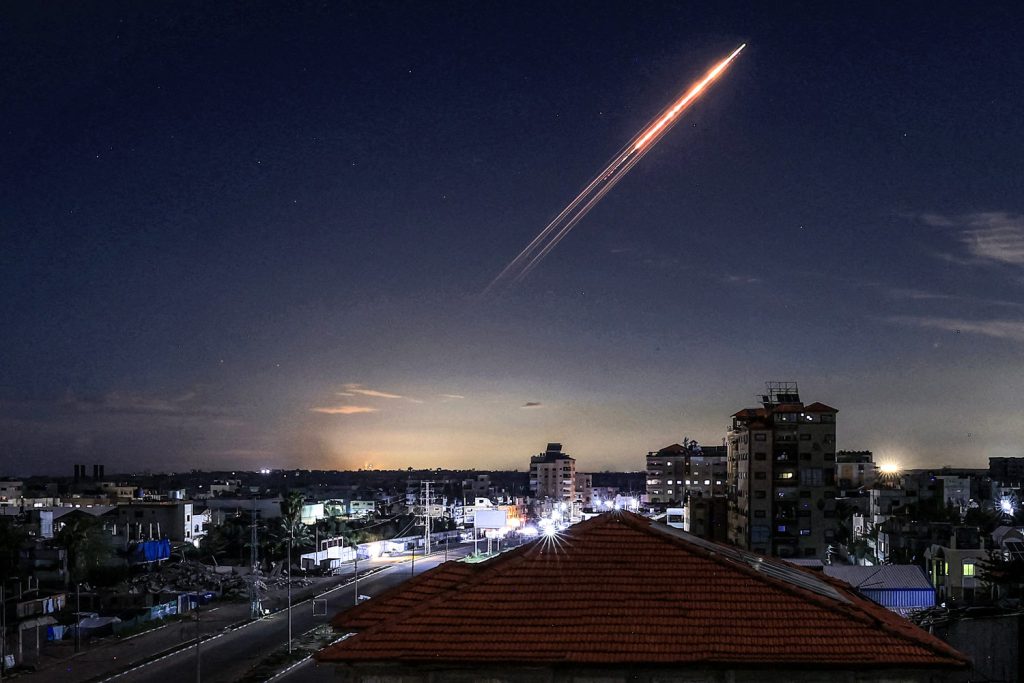
The silence currently hanging over the Persian Gulf is not the sound of peace, but the sound of heavy machinery. As the world watches the fragile U.S.-Iran ceasefire of April 2026, intelligence reports suggest a frantic race against time is unfolding beneath the Iranian soil. The Iranian regime is reportedly Iran is accelerating efforts to dig out missiles and munitions buried under the ruins of recent U.S. and Israeli airstrikes, a development with significant regional security implications.
This clandestine operation, where Iran is accelerating efforts to dig out missiles and munitions, is more than just a cleanup effort; it is a desperate attempt to reconstitute military capabilities, including potential precision-guided munitions, before the diplomatic window slams shut. With the Trump administration reviewing new military options and a high-stakes trip to China on the horizon, the Middle East stands at a critical crossroads.
The Race Beneath the Rubble: Iran’s Strategic Recovery
According to U.S. officials and satellite imagery, the Islamic Revolutionary Guard Corps (IRGC) has mobilized heavy equipment to several “bombed-out” facilities. These sites, which were primary targets during the intensive bombing campaign that began on February 28, 2026, house the remnants of Iran’s ballistic missile arsenal and drone fleets, demonstrating the resilience of its military industrial complex.
Why Iran is Digging Now
The primary motivation behind why Iran is accelerating efforts to dig out missiles and munitions is survival. The regime understands that the current ceasefire, which went into effect on April 8, is a temporary reprieve. By undertaking this critical task, Iran is accelerating efforts to dig out missiles and munitions, aiming to:
Restore Deterrence: Showing the U.S. and its allies that Iran still possesses “teeth,” thereby bolstering its strategic deterrence capabilities.
Prepare for Resumption: If negotiations fail, Iran needs its remaining assets ready to launch from mobile positions, particularly from its reinforced underground missile bases.
Secure Leverage: A “re-armed” Iran has more bargaining power at the negotiation table in Geneva, potentially influencing discussions around its broader nuclear ambitions.
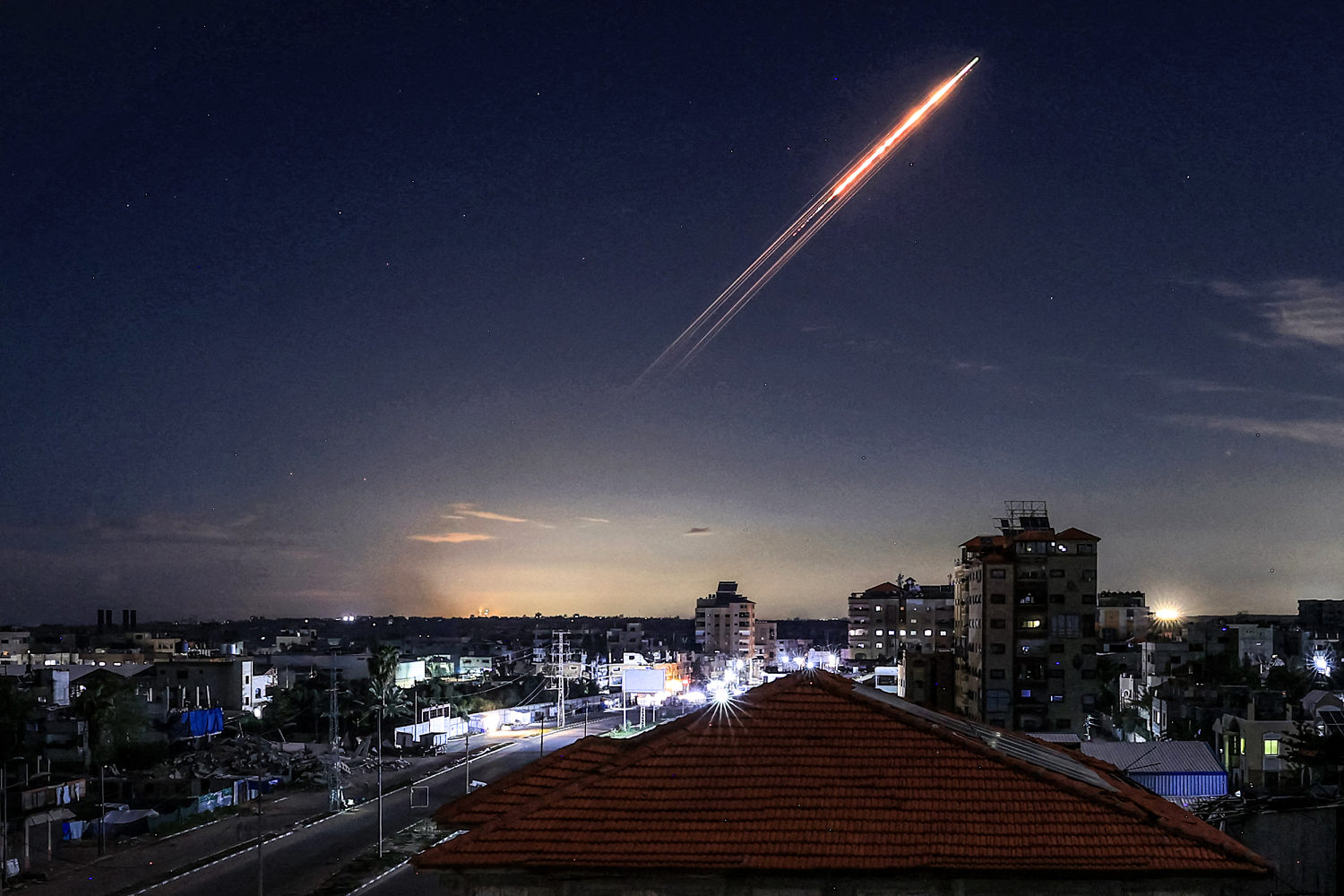
Discrepancies in Intelligence: How Much Does Iran Have Left?
There is a growing debate within Washington regarding the actual state of Iran’s military strength, especially in light of reports that Iran is accelerating efforts to dig out missiles and munitions. While the White House maintains a confident public stance, internal intelligence suggests a more complex reality.
The White House View: “Mission Accomplished?”
White House spokesperson Anna Kelly recently stated that the U.S. military has achieved its core objectives. According to the administration, Iran’s navy is sunk, its production facilities are demolished, and its proxies are severely weakened. President Trump himself noted that approximately 82% of Iran’s missile arsenal has been neutralized, a claim met with scrutiny by the broader intelligence community.
The Intelligence Reality: A Resilient Arsenal
However, interim National Security Advisor Marco Rubio and other intelligence sources offer a more cautious assessment. Rubio suggested that Iran might still retain up to 50% of its missile arsenal. This discrepancy stems from Iran’s pre-war tactics, which included:
- Deep-Burial Silos: Protecting launchers in reinforced underground subterranean facilities or “missile cities.”
- Decoy Targets: Using high-fidelity decoys to draw U.S. and Israeli fire away from real assets.
- Dispersal Strategy: Moving mobile launchers into civilian areas or remote mountainous terrain before the first strikes landed.
The Pentagon’s Warning: “We Know What You Are Moving”
Defense Secretary Pete Hegseth has been vocal about the U.S. military’s awareness that Iran is accelerating efforts to dig out missiles and munitions. In a stern briefing at the Pentagon on April 16, Hegseth addressed the Iranian leadership directly, stating, “We know that Iran is accelerating efforts to dig out missiles and munitions, but while you are digging out… we are only getting stronger.”
The U.S. military is currently using advanced synthetic aperture radar (SAR) and high-resolution thermal imaging to track the movement of every crane and bulldozer across the Iranian plateau, monitoring precisely where Iran is accelerating efforts to dig out missiles and munitions. The message from the Pentagon is clear: recovering a buried launcher does not mean the ability to use it effectively under the watchful eye of a U.S. naval blockade, especially with renewed international sanctions in place.
The Geopolitical Chessboard: The China Factor
A unique element of the 2026 conflict is the role of Beijing. President Trump is scheduled for a high-priority visit to China in mid-May to meet with President Xi Jinping. This trip, which was already postponed due to the outbreak of hostilities, is a major factor in the current U.S. timeline.
The “May Deadline”
The White House is reportedly eager to “wrap up” the Iranian conflict before the President lands in Beijing. Press Secretary Karoline Leavitt hinted at a four-to-six-week window for the military phase, which aligns perfectly with the mid-May deadline.
China’s interests in the region include:
Energy Security: As a major buyer of Iranian oil, China wants the Strait of Hormuz reopened immediately.
Regional Stability: Beijing views the prolonged U.S. presence as a threat to its “Belt and Road” interests in the Middle East.
Diplomatic Leverage: China may use its influence over Tehran to facilitate a deal, provided the U.S. offers concessions on trade or technology.
The Economic Stranglehold: Strait of Hormuz and Global Oil
The war has had a devastating impact on the global economy. After Iran began blocking the Strait of Hormuz in late February, global oil prices surged to record highs, threatening to trigger a worldwide recession.
In response, the U.S. Navy enacted a total blockade of Iranian ports. As of late April, over 41 vessels have been redirected or seized. The economic pressure on Tehran is immense; Secretary Rubio noted that the Iranian economy is “flattened,” struggling with drought, inflation, and an inability to meet government payrolls. This economic desperation is likely what pushed Iran to the ceasefire table, but it is also what makes them dangerous—they have little left to lose.
Tactical Analysis: Can Iran Actually Reconstitute?
Military analysts are skeptical about Iran’s ability to “dig its way back” to parity, even as Iran is accelerating efforts to dig out missiles and munitions. While retrieving a buried missile is one thing, the infrastructure required to launch it—command and control nodes, radar arrays, and fueling stations—has been largely decimated, complicating Iran’s overall military recovery efforts.
The Challenge of “Soft” Infrastructure
Even if, through these intensive operations, Iran is accelerating efforts to dig out missiles and munitions and recovers 500 missiles, they face the following hurdles:
Lack of Air Cover: With the Iranian Air Force largely grounded or destroyed, any uncovered missile site becomes an immediate target for U.S. stealth bombers.
Supply Chain Disruptions: The factories required to produce the specialized fuels and components for these missiles are currently in ruins.
- The Blockade: The U.S. naval presence ensures that no new parts or technical advisors can enter the country easily.
Conclusion: A Tense Path Toward Diplomacy or Total War
The next few days will be “decisive” for the future of the Middle East. President Trump is set to meet with Admiral Brad Cooper of U.S. Central Command to review the latest intelligence on how Iran is accelerating efforts to dig out missiles and munitions. The options on the table range from extending the ceasefire to launching a “final phase” of strikes designed to strip Iran of its remaining nuclear and ballistic capabilities once and for all.
Iran’s decision to use the ceasefire, where Iran is accelerating efforts to dig out missiles and munitions, suggests they are preparing for the worst. Whether this is a defensive posture or a prelude to a final, bloody showdown remains to be seen. One thing is certain: the eyes of the world—and the lenses of dozens of U.S. spy satellites—are fixed on the dusty excavation sites of Iran.