The Great European Drawdown: Trump Signals Major US Troop Reductions in Germany, Italy, and Spain for 2026

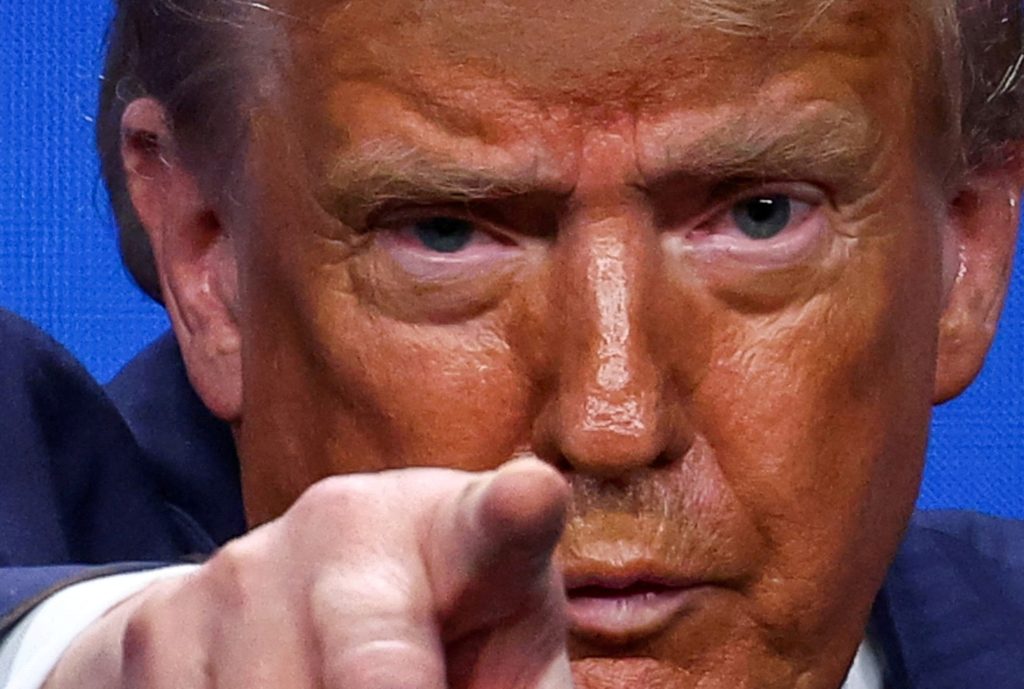
The landscape of transatlantic security and the broader transatlantic alliance is undergoing its most seismic shift in decades. As we move through the early months of 2026, U.S. President Donald Trump has sent shockwaves through the halls of NATO by signaling a potential massive reduction of U.S. military personnel stationed across Europe.
What began as a specific review of the American presence in Germany has rapidly expanded to include Italy and Spain. This move represents a fundamental reassessment of the “America First” foreign policy, moving beyond mere rhetoric into tangible military repositioning.
The Catalyst: A Truth Social Announcement
The current wave of uncertainty began on the 30th, when President Trump took to Truth Social to announce that the United States is “studying and reviewing the possible reduction of troops in Germany,” linking it to long-standing concerns about defense spending targets among allies. He emphasized that a final determination would be made over a “short period of time.”
While friction between Washington and Berlin is not a new phenomenon, the speed and scope of the 2026 review caught many seasoned diplomats off guard. The President’s frustration centers on what he perceives as a lack of reciprocity and insufficient NATO burden-sharing from European allies who benefit from the American security umbrella while failing to support U.S. strategic interests elsewhere.
Expanding the Scope: “Perhaps” for Italy and Spain
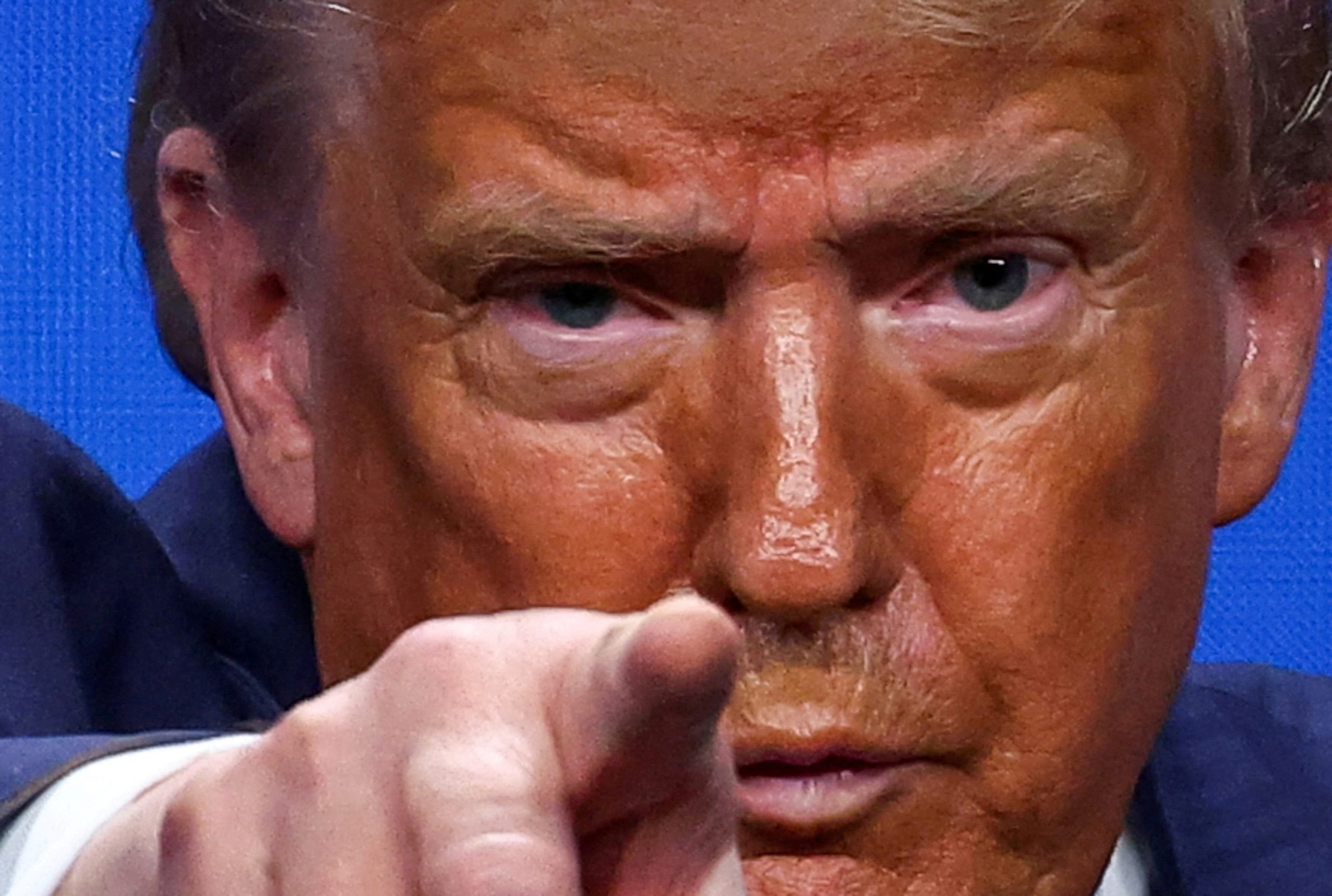
Following the signing of a recent executive order at the White House, the narrative shifted from a German-centric issue to a broader European withdrawal. When asked by reporters if similar measures were being considered for Italy and Spain, the President responded with a blunt “Perhaps.”
His follow-up comments were even more pointed: “Look, why wouldn’t we?” he asked, adding that “Italy has not been of any help to us, and Spain was terrible. Truly terrible.” This rhetoric marks a significant departure from the diplomatic niceties usually reserved for long-standing NATO allies, challenging the very notion of collective defense.
The Grievance: Reciprocity in Global Conflicts
The core of the President’s dissatisfaction lies in a perceived “one-way street” of military support. Trump highlighted that while the U.S. provided substantial aid to Ukraine during the conflict with Russia—a conflict primarily affecting European security—the favor was not returned during U.S.-led operations in the Middle East.
Specifically, the President pointed to the Iran conflict and the lack of European support in the Strait of Hormuz. When the U.S. requested naval assistance to ensure the safe passage of tankers through the Iranian-blockaded strait, several European allies, including Spain and Italy, reportedly failed to provide the requested level of commitment, impacting overall military readiness in the region.
The Iran-Ukraine Disconnect: A Transactional Foreign Policy
In 2026, the U.S. administration’s foreign policy is increasingly defined by transactionalism. President Trump argued that if allies had at least spoken positively or offered delayed support, the situation might be different.
“The issue is not just that they are bad,” Trump remarked. “If they had spoken positively or said, ‘Okay, we will help. However, our support is slightly delayed,’ it would have been a different matter.”
The Strait of Hormuz Incident
The failure to respond to the request for naval support in the Strait of Hormuz appears to be the “straw that broke the camel’s back.” For the Trump administration, the protection of global energy routes is a shared responsibility. The refusal of Spain and Italy to join the naval coalition was viewed in Washington not just as a tactical disagreement, but as a betrayal of the alliance’s core principles.
Internal Pentagon Dynamics: Radical Options on the Table
The tension isn’t limited to public statements. According to leaked internal emails from the U.S. Department of Defense, the Pentagon has been exploring various “retaliatory options” against NATO allies perceived as uncooperative.
Some of the options discussed include:
- Massive Troop Redeployments: Moving forces from Western Europe, potentially including those from key installations like Ramstein Air Base, to more “friendly” eastern nations or back to the U.S. mainland.
- Subsidy Demands: Compelling host nations to pay 100% of the costs for stationed troops plus a “premium” for protection.
- The “Spain NATO” Option: Most shockingly, internal documents suggested the possibility of reviewing or even suspending Spain’s NATO membership status as a response to their lack of support during the Iran crisis.
By the Numbers: The Scale of the Proposed Cuts
To understand the impact of these signals on the evolving geopolitical landscape, one must look at the current U.S. military footprint in Europe as of early 2026:
Germany: Currently hosts approximately 38,000 U.S. personnel. Trump’s plan aims to cut this force significantly, potentially moving units to Poland or the U.S.
Italy: As of the end of 2025, there were roughly 12,662 active-duty troops in Italy, primarily stationed at Aviano Air Base and Vicenza.
- Spain: Host to key strategic locations like Naval Station Rota and Morón Air Base.
Reports from leading news agencies suggest the President aims to redeploy or withdraw up to 20,000 American troops from the European theater in total. This would represent the most significant reduction in the U.S. European Command (EUCOM) and its support for operations like those under US Africa Command (AFRICOM) since the end of the Cold War.
The Geopolitical Fallout: A Security Vacuum?
The prospect of a U.S. withdrawal has left European leaders “reeling.” For decades, the presence of American troops in Germany, Italy, and Spain has served as a deterrent against external aggression and provided crucial security guarantees and a stabilizer for regional politics.
Impact on Germany
Germany has long been the logistics hub for U.S. operations in Africa and the Middle East. A reduction there would not only hurt the local German economy but also force a complete overhaul of U.S. global logistics. However, Trump’s administration argues that Germany’s failure to meet the 2% GDP defense spending target consistently makes the current troop levels unsustainable for the American taxpayer.
Impact on Italy and Spain
In Italy and Spain, the bases are critical for Mediterranean security and power projection into North Africa. If the U.S. follows through on its threats, these nations would have to rapidly increase their own naval and air capabilities—a task that would take years and billions of Euros to achieve, pushing them towards greater European strategic autonomy.
Historical Context: A Plan Years in the Making
It is important to remember that this is not Trump’s first attempt at a drawdown. In June 2020, during his first term, he announced plans to withdraw 9,500 troops from Germany. While those plans were largely halted or reversed by the subsequent Biden administration in 2021, the 2026 initiative appears more organized and driven by a specific set of geopolitical grievances regarding Iran and Ukraine.
Conclusion: A New Era of Transatlantic Relations
As we watch the events of 2026 unfold, it is clear that the “old” NATO—based on unconditional American protection—is being challenged. President Trump’s signals regarding troop reductions in Germany, Italy, and Spain are more than just a negotiation tactic; they are a demand for a new type of alliance.
Whether these reductions actually materialize or serve as a high-stakes “pressure campaign” remains to be seen. However, the message from Washington is unmistakable: The U.S. military presence in Europe is no longer a permanent guarantee, but a conditional arrangement based on mutual support and shared burden.
The coming months will be critical for European defense ministers as they scramble to address the President’s concerns or prepare for a future where they must provide for their own security without the massive American footprint they have relied on for nearly a century.