The 2026 Iran War Deadline: Does the War Powers Act Still Hold Weight?

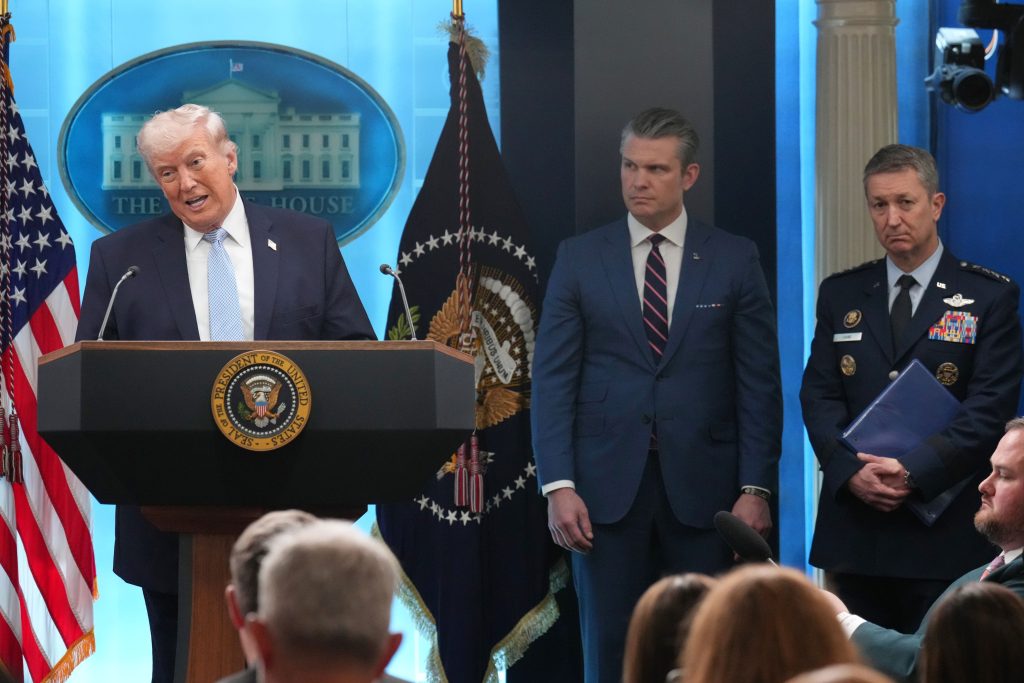
The date is May 1, 2026, and a constitutional shadow looms over Washington D.C. Today marks the official 60-day deadline since the Trump administration notified Congress of hostilities against Iran. Under the War Powers Resolution of 1973, this should be the moment the President either secures congressional approval or begins a withdrawal.
However, the reality on the ground—and in the halls of the Pentagon—is far more complex. With a fragile ceasefire in place and oil prices hitting a four-year high, the United States finds itself at a legal and military crossroads. Is the War Powers Act a rigid shield of democracy, or has it become a relic easily bypassed by executive maneuvering?
Understanding the War Powers Act of 1973
To understand the current tension, we must look back at the origin of the law. Passed over the veto of President Richard Nixon, the War Powers Resolution was born from the hard lessons of the Vietnam War. Its primary purpose is to ensure that the “collective judgment” of both the President and Congress is applied before U.S. forces are committed to long-term conflict.
The Mechanics of the 60-Day Clock
The law is straightforward in its text but has been historically difficult to enforce:
- Notification: The President must notify Congress within 48 hours of committing armed forces to hostilities.
- The 60-Day Limit: Hostilities must terminate within 60 days unless Congress declares war, grants a specific statutory authorization, or extends the period.
- The 30-Day Buffer: An additional 30 days can be granted if the President certifies in writing that the safety of U.S. forces requires their continued presence for a safe withdrawal.
In the current 2026 conflict, the clock started on March 2, following the joint U.S.-Israeli strikes launched on February 28. That brings us to the May 1 deadline—a day that many constitutional scholars believe should require a full cessation of hostilities.
The Hegseth Doctrine: Can a Ceasefire “Pause” the Law?
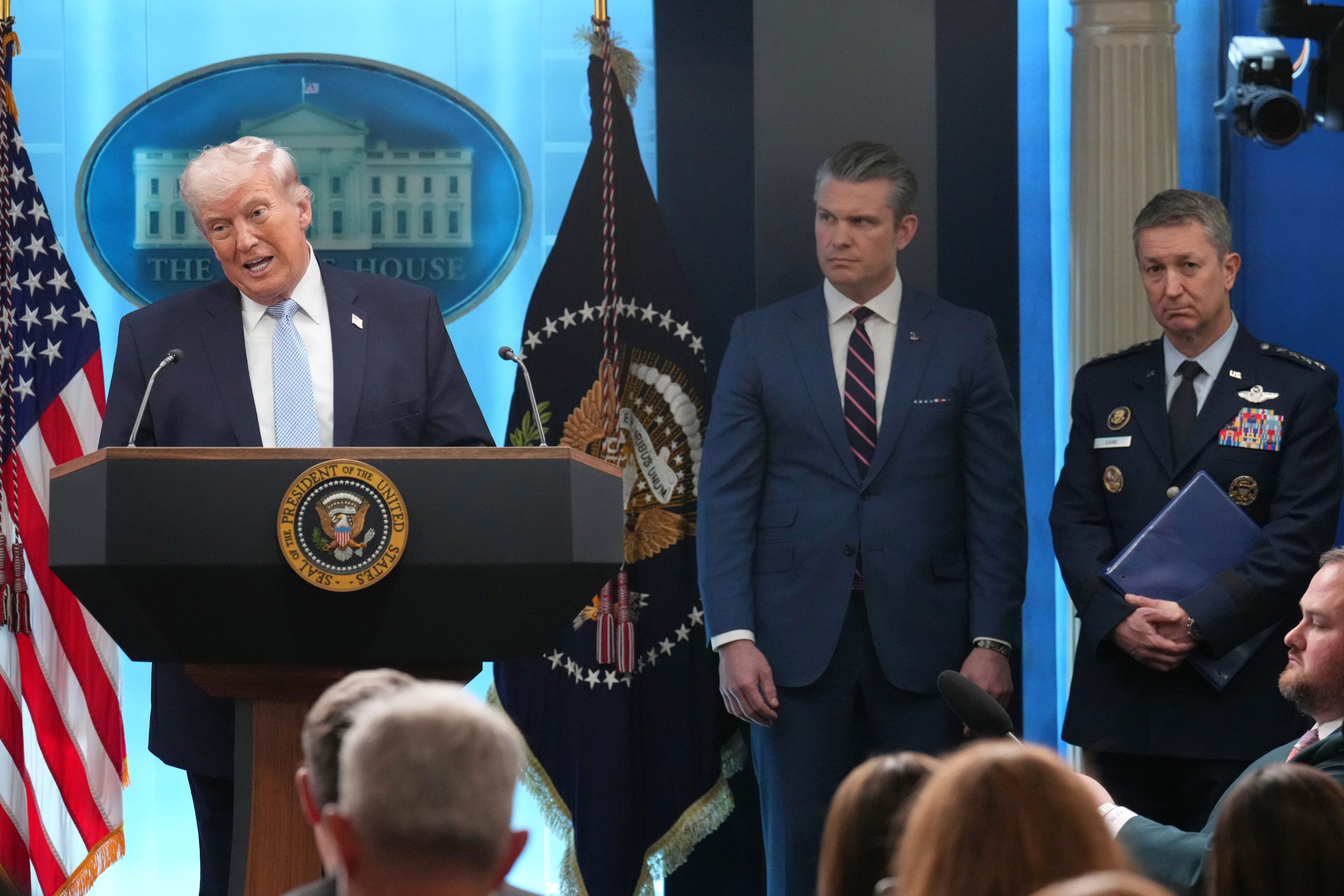
The most controversial development in this legal saga comes from Defense Secretary Pete Hegseth. During recent testimony before the Senate Armed Services Committee, Hegseth asserted that the ceasefire which began on April 7 effectively “pauses” the 60-day countdown.
According to the administration, because U.S. and Iranian forces have not exchanged fire during this two-week window, the “hostilities” have technically terminated for the purposes of the Act. This interpretation suggests that the clock could potentially reset or remain frozen as long as the guns are silent.
The Legal Counter-Argument
Constitutional experts and several members of Congress are not buying the “pause” theory. Senator Tim Kaine (D-Virginia) has been vocal, arguing that the administration is searching for a “loophole” to avoid a difficult vote in a divided Congress. Critics point out that the War Powers Resolution makes no mention of ceasefires or “pauses.” If U.S. forces remain deployed in a combat zone and a blockade remains active, many argue the state of hostilities persists.
The 2026 Conflict: A Stalemate in the Middle East
The war, which President Trump initially characterized as a “short military operation” likely to last four to six weeks, has entered a grueling stalemate. The primary objective—denying Iran a nuclear weapon—remains the administration’s rallying cry. However, the costs are mounting.
Economic Impact: The Strait of Hormuz remains closed to most shipping traffic.
Energy Crisis: Global oil prices have surged to heights not seen in years, following the President’s vow to maintain a blockade until Tehran “cries uncle.”
Military Standing: While the U.S. and Israel have conducted significant strikes, Iran’s leadership has shown no signs of total capitulation, leading to fears of a “forever war” scenario similar to Iraq or Afghanistan.
Congressional Divide: A House (and Senate) At Odds
The May 1 deadline has fractured Capitol Hill. While Democrats have led the charge to halt the war through various resolutions, the Republican response has been mixed.
The Hardline Support
House Speaker Mike Johnson (R-Louisiana) has echoed the Pentagon’s stance, suggesting the U.S. is not currently “at war” because there is no active, kinetic bombing during the ceasefire. For these lawmakers, the President requires maximum flexibility as Commander-in-Chief to broker a peace deal from a position of strength.
The Constitutional Skeptics
On the other side, some Republicans are joining Democrats in expressing concern over executive overreach. Senator Susan Collins (R-Maine) emphasized that the 60-day deadline “is not a suggestion; it is a requirement.” Similarly, Senator Lisa Murkowski (R-Alaska) has signaled she may introduce a formal authorization measure to force the White House to present a “credible plan” for the conflict’s conclusion.
What Happens After May 1?
As Congress enters a week-long recess, the immediate future of the Iran war is shrouded in legal ambiguity. There are three primary paths the Trump administration might take:
- The 30-Day Extension: The President could formally request an additional 30 days, citing the need for a safe withdrawal or the protection of assets during the ceasefire.
- The “Hostilities Terminated” Claim: The administration may continue to argue that the ceasefire ended the 60-day requirement, allowing them to resume strikes later without a new clock starting immediately.
- Seeking an AUMF: Upon returning from recess, the Senate may move toward an Authorization for Use of Military Force (AUMF). This would provide the legal cover the President needs but would require a transparent debate on the war’s goals and exit strategy.
The Global Stakes: Oil, Alliances, and Nuclear Proliferation
Beyond the legal jargon of the War Powers Act, the stakes for the world are monumental. The U.S. blockade of Iranian ports is a “maximum pressure” tactic taken to the extreme. While the administration argues this is the only way to prevent a nuclear-armed Iran, the collateral damage to the global economy is undeniable.
The ongoing closure of the Strait of Hormuz has disrupted 20% of the world’s oil supply. If the legal dispute in Washington leads to a prolonged period of uncertainty, markets are expected to remain volatile. Furthermore, the U.S.-Israeli alliance is being tested as both nations weigh the benefits of continued military pressure against the risks of a wider regional conflagration.
Conclusion: A Test of the American System
The May 1 deadline is more than just a date on a calendar; it is a test of the American system of checks and balances. The War Powers Act was designed to prevent a single individual from committing the nation to war indefinitely. As the Trump administration tests the limits of this law through “ceasefire pauses” and executive assertions, the burden falls on Congress to assert its constitutional role.
Whether the war ends in a negotiated peace, a formal authorization, or a constitutional crisis remains to be seen. One thing is certain: the eyes of the world—and the ghost of the 1973 legislators—are watching Washington.
Key Takeaways for 2026:
The 60-day deadline for the Iran war is May 1.
The Trump administration argues a ceasefire pauses the clock, a claim disputed by many lawmakers.
Oil prices are at a 4-year high due to the blockade and Strait of Hormuz closure.
- Congress is divided on whether to authorize the war or force a withdrawal.