Strategic Shift: US to Withdraw 5,000 Troops from Germany Amid Growing Diplomatic Tensions

The geopolitical landscape of Europe is undergoing a significant transformation in 2026. Following a period of escalating rhetoric between Washington and Berlin, the Pentagon has officially confirmed that the United States will withdraw approximately 5,000 active-duty service members from Germany. This decision, ordered by Defense Secretary Pete Hegseth, follows direct threats from President Donald Trump and marks a pivotal moment in the transatlantic alliance.
The friction stems from a public dispute between President Trump and German Chancellor Friedrich Merz regarding the ongoing war with Iran. With the U.S. maintaining the largest foreign military footprint in Germany, this drawdown is being viewed by analysts as both a strategic realignment and a clear signal of political discontent.
The Context of the Withdrawal: A Diplomatic Rift
The decision to pull troops does not exist in a vacuum. It follows a series of pointed criticisms from Chancellor Friedrich Merz, who recently suggested that the United States was being “humiliated” by Iran’s leadership in the ongoing regional conflict. Merz further questioned the efficacy of the current U.S. strategy, describing it as lacking a “convincing” path toward resolution.
President Trump’s administration responded swiftly to these comments. By ordering the withdrawal of 5,000 troops, the White House is signaling that the long-standing military partnership is being recalibrated to reflect current political realities. For observers of international relations, this move highlights the growing strain between traditional allies during a period of global instability.
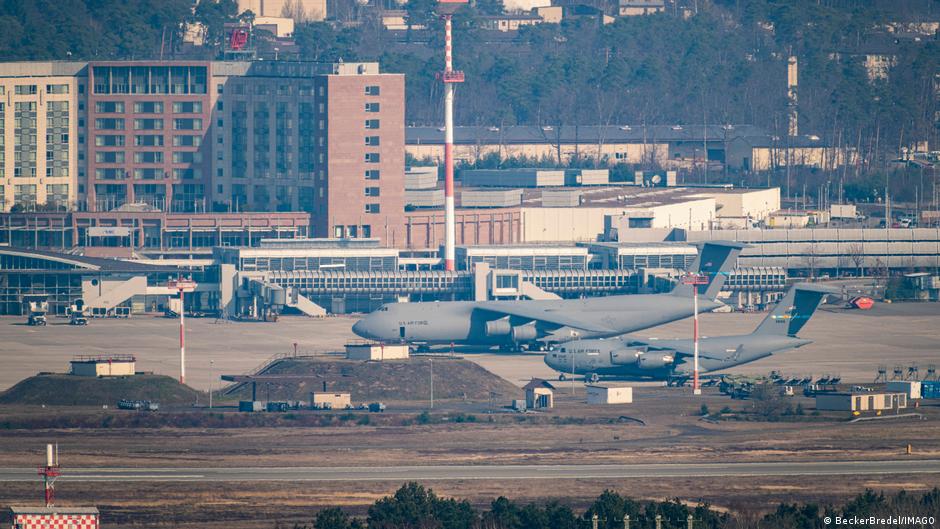
![Ramstein in southern Germany is regarded as the US' largest overseas air force base [FILE: Mar 24, 2022]](https://fordunews.com/wp-content/uploads/2026/05/featured-fd9014a8-fe6c-499e-a93d-842c0b2fb51e.jpg)
Operational Impact: What Does the Drawdown Mean?
As of late 2025, the U.S. Defense Manpower Data Center reported that more than 36,000 American personnel were stationed across German soil. The planned withdrawal of 5,000 troops is slated to occur over the next six to 12 months. While 5,000 represents a significant number of personnel, it is important to contextualize the scale of the remaining force.
Maintaining a Heavy Presence
Even after the reduction, Germany will continue to host one of the largest U.S. military contingencies in the world. The U.S. footprint in Germany remains second only to Japan in terms of foreign deployment. Key installations, including the critical Ramstein Air Base, will continue to serve as the backbone of American power projection in Europe.
Strategic Rebalancing
Defense officials have characterized this move as part of a broader review of the American mission in Europe. The Pentagon is currently evaluating how to best distribute resources in a changing threat environment. While the current drawdown is politically motivated, it also aligns with a growing sentiment in Washington to shift military resources toward other high-priority regions.
Why Germany Remains Vital to U.S. Security
Despite the current diplomatic tensions, Germany remains an indispensable hub for U.S. global operations. Ramstein Air Base, located in southwestern Germany, is not merely a regional outpost; it is the primary logistics and command center for U.S. operations spanning the Middle East, Africa, and beyond.
Logistical Hub: Ramstein serves as the nerve center for transatlantic air mobility.
Medical Care: The region hosts advanced military medical facilities that treat wounded service members from theaters of war globally.
- Intelligence Gathering: Germany hosts critical signals intelligence assets that support NATO objectives.
The reduction of forces does not imply an abandonment of these facilities. Instead, it suggests a “leaner” operational model that prioritizes agility over static troop numbers.
The Future of Transatlantic Relations
The rift between Chancellor Merz and President Trump highlights a fundamental disagreement on how to handle the Iranian conflict. While Germany has traditionally acted as a bridge between the U.S. and other European powers, the current administration in Berlin is increasingly asserting its own strategic autonomy.
Domestic and International Reactions
The announcement has sparked widespread debate within the European Union. Some officials fear that the U.S. withdrawal could embolden adversaries, while others view it as a necessary wake-up call for Europe to invest more heavily in its own defense capabilities. Within the United States, the move has been met with mixed reactions, with some lawmakers praising the focus on “America First” policies and others warning against weakening the NATO structure.
The Path Forward
As the 6-to-12-month withdrawal window begins, all eyes will be on the diplomatic channels between Berlin and Washington. Will this move lead to a permanent cooling of relations, or is it a temporary maneuver to force a change in policy? The outcome will likely depend on the trajectory of the war in Iran and the ability of both nations to find common ground on security strategy.
Conclusion: A New Era for U.S.-Germany Ties
The withdrawal of 5,000 troops from Germany is a watershed moment for the U.S.-Germany partnership. While the move is undoubtedly linked to the “Iran war spat” and the public disagreement between Trump and Merz, it also reflects a long-term trend of shifting military priorities in the 2026 global landscape.
For now, the alliance remains intact, but it is clearly under pressure. As the Pentagon executes this drawdown, the world will be watching to see how both nations balance their historical ties with their diverging views on modern security challenges. One thing is certain: the era of “business as usual” for American troops in Europe is officially over, and a new, more transactional phase of diplomacy has begun.