Legal Shake-up: Appeals Court Sides with Louisiana in Landmark Case Over Mailed Abortion Pills

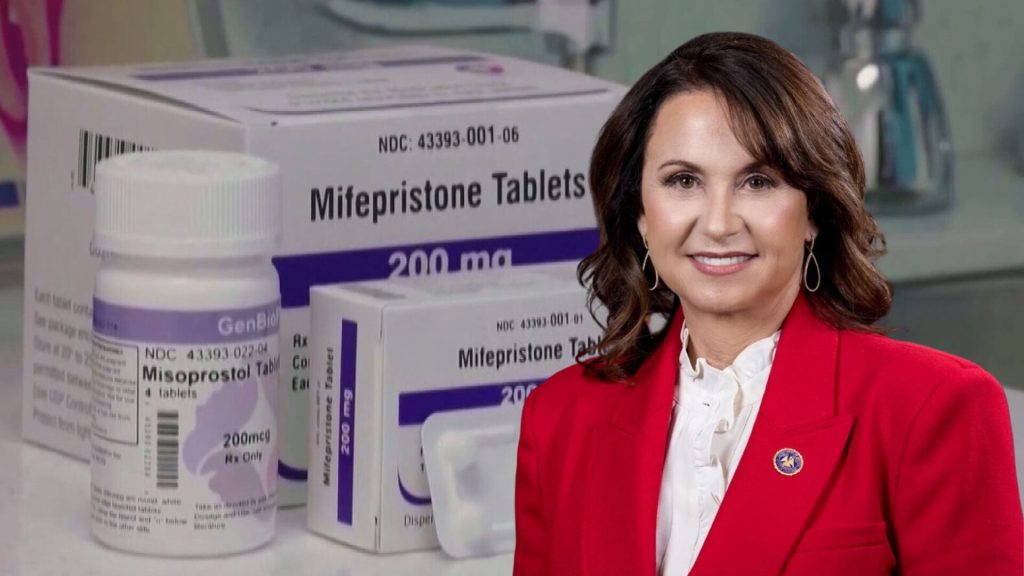
The landscape of reproductive healthcare in the United States shifted significantly in 2026. In a pivotal development, the 5th U.S. Circuit Court of Appeals has sided with the state of Louisiana, granting a request to pause federal rules that permitted the prescription and mailing of mifepristone. This ruling marks a major victory for Louisiana Attorney General Liz Murrill, who has been spearheading a legal offensive against the Food and Drug Administration (FDA) regarding the accessibility of medication abortion.
This decision effectively challenges the 2023 Risk Evaluation and Mitigation Strategy (REMS) implemented by the FDA. By granting the stay, the court has temporarily blocked the ability of patients to obtain abortion pills through telehealth consultations and mail-order pharmacies nationwide. As this legal battle continues to unfold, the implications for telehealth, state sovereignty, and federal regulatory authority are profound.
The Core of the Legal Dispute: Louisiana vs. FDA
The legal friction stems from the FDA’s 2023 decision to remove the long-standing requirement that mifepristone be dispensed in person by a licensed healthcare provider. The state of Louisiana argued that this policy change undermined its own state-level abortion bans. By allowing providers in states where abortion remains legal to mail pills into restrictive states, the FDA created a pathway that, according to Louisiana officials, bypasses state authority.
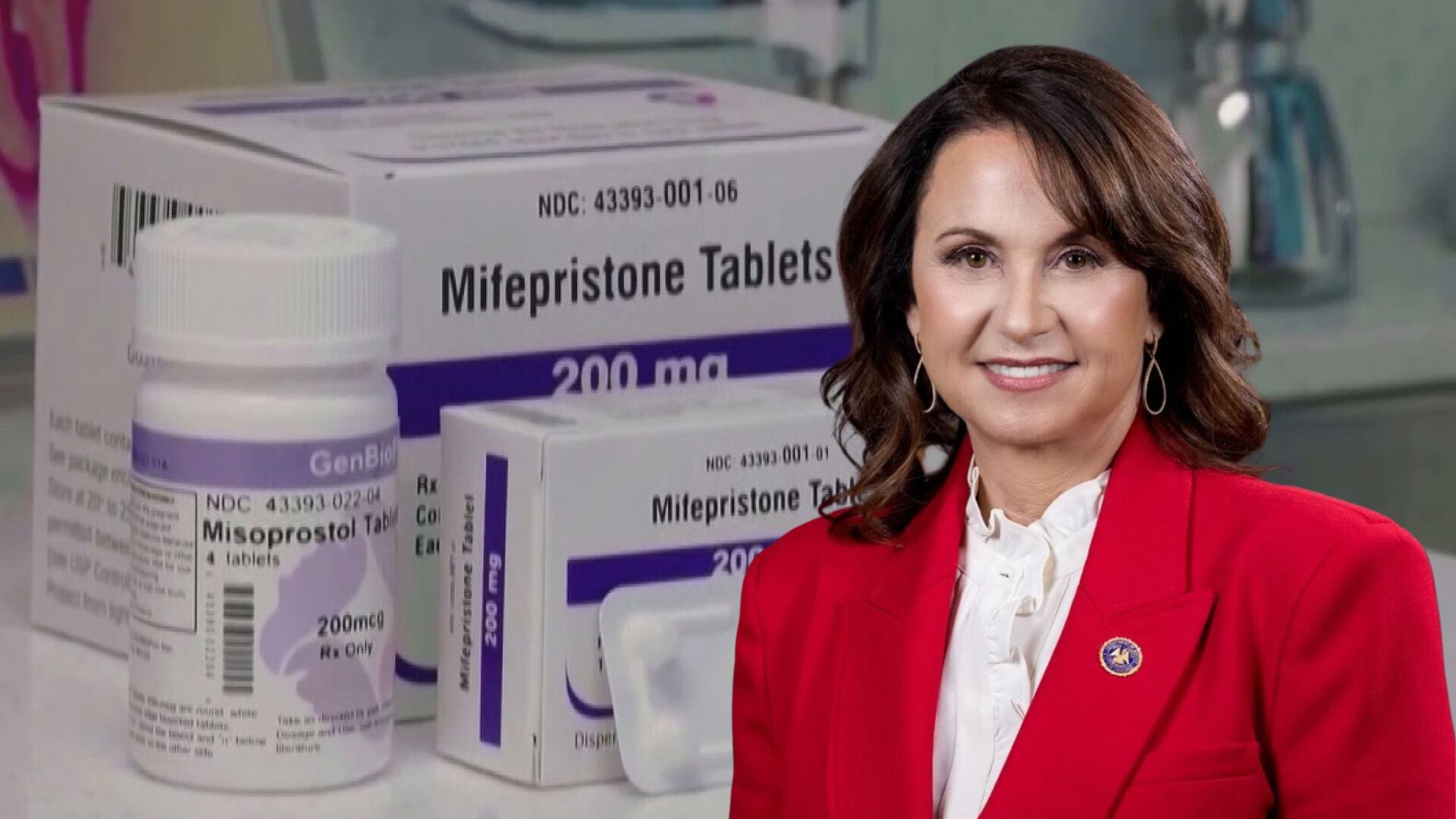
The 5th Circuit Court’s decision is rooted in the argument that the FDA failed to adequately evaluate the safety risks associated with remote prescribing. In its ruling, the court noted that the agency conceded it had not sufficiently studied the impacts of removing in-person consultations. Consequently, the court found that Louisiana was likely to succeed on the merits of its case and was suffering “irreparable harm” due to the influx of mail-order medication into its jurisdiction.
Financial and Sovereign Interests
A critical component of Louisiana’s argument involved the state’s financial burden. The court highlighted data showing that the state incurred nearly $92,000 in Medicaid costs in 2025 alone, attributed to emergency care for women experiencing complications from out-of-state mifepristone. Furthermore, the court cited records suggesting the current policy facilitates nearly 1,000 illegal abortions per month within Louisiana, directly challenging the state’s sovereign interest in enforcing its own reproductive laws.
The Criminalization of Mail-Order Prescriptions
The legal fight is not merely an abstract regulatory dispute; it has entered the realm of criminal law. In January 2026, Attorney General Murrill announced the indictment of Dr. Remy Coeytaux, a California-based physician. The felony charge of criminal abortion by means of abortion-inducing drugs was filed in St. Tammany Parish, alleging that the doctor mailed pills to a Louisiana resident without conducting an in-person examination.
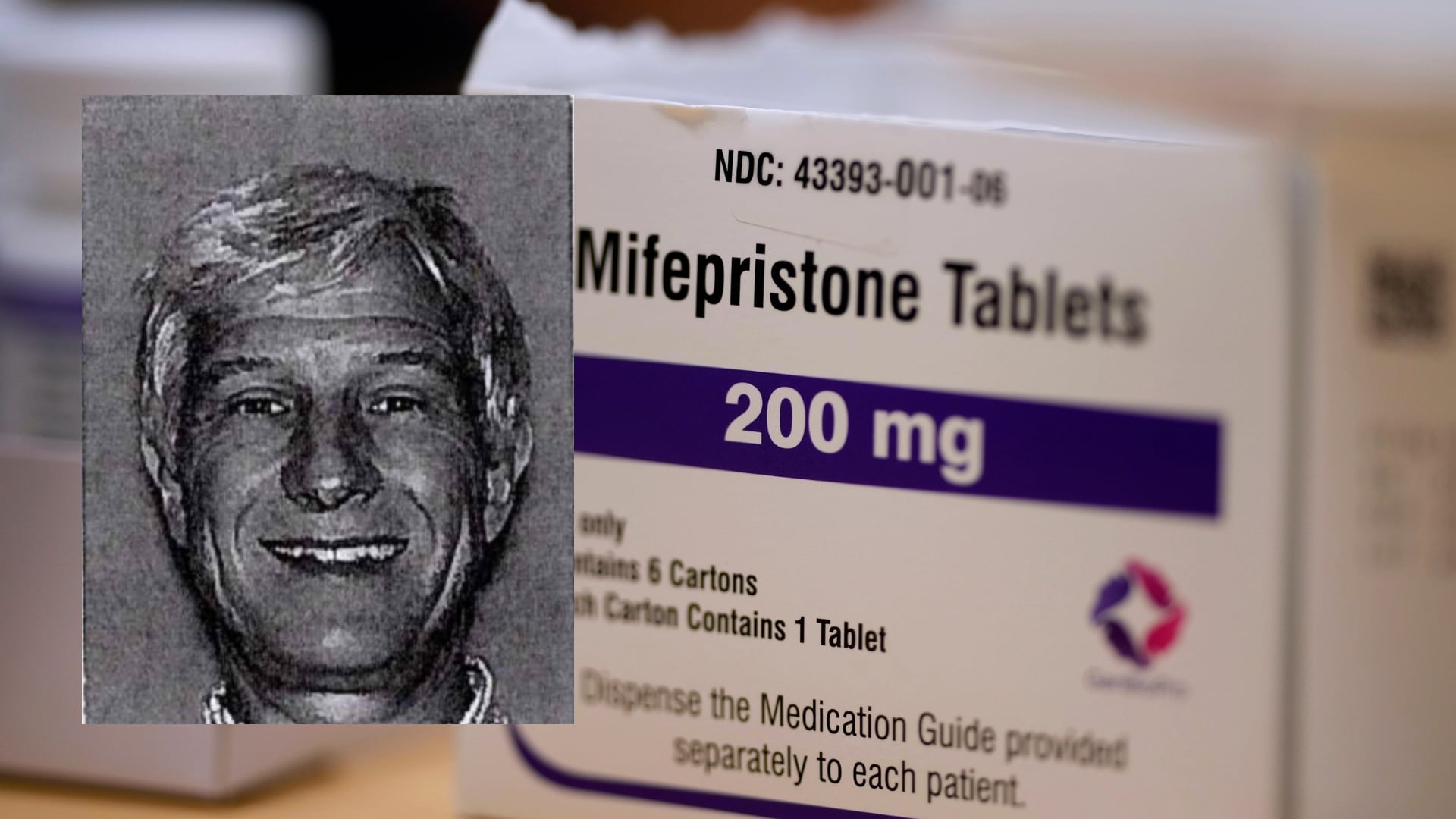
This indictment triggered a high-profile clash between Louisiana and the state of California. California Governor Gavin Newsom publicly stated that his administration would not cooperate with Louisiana officials seeking to prosecute doctors who provide abortion-related care, framing the move as a defense of patient access and practitioner safety.
The Clash of Jurisdictions
This inter-state conflict underscores the deepening divide in the United States regarding abortion access. While Louisiana seeks to enforce its laws by targeting the supply chain of abortion medication, “shield” states like California are actively working to protect their medical providers from out-of-state prosecution. The 5th Circuit’s recent ruling provides a temporary boost to states attempting to assert control over the digital and postal distribution of restricted medications.
What This Means for Telehealth Abortion Access
For patients and providers across the country, the 5th Circuit’s decision creates a period of intense uncertainty. By blocking the 2023 FDA rules, the court has effectively reinstated the requirement for in-person medical visits to obtain mifepristone. This reversal of the “telehealth-first” model for medication abortion is expected to have several immediate consequences:
- Reduced Accessibility: Patients living in remote areas or those without easy access to clinics will face significant hurdles in obtaining the medication.
- Increased Clinical Burden: The requirement for in-person dispensing will likely increase the patient load at physical health centers, potentially leading to longer wait times.
- National Impact: Because the ruling has a nationwide effect, the pause on mail-order access is not limited to Louisiana, forcing a restructuring of operations for telehealth platforms across the U.S.
The court explicitly stated that this stay does not prevent the FDA from continuing its ongoing safety review of mifepristone. However, until that review is finalized and the legal challenge concludes, the current regulatory environment remains hostile to the mail-order model.
Analysis: The Future of Federal Regulatory Power
The 5th Circuit’s decision is a significant blow to the FDA’s authority to set uniform standards for drug distribution. Historically, the FDA has been the final word on the safety and distribution protocols of medications. This ruling suggests that state-level challenges, particularly those predicated on sovereign interests and Medicaid expenditures, can successfully override federal regulatory decisions.
Is This the End of the Fight?
It is crucial to note that this ruling is not a final judgment. It is a temporary injunction that remains in place while the appeal moves forward. The legal back-and-forth between the FDA, the state of Louisiana, and various advocacy groups is expected to continue well into the coming years.
Legal experts suggest that this case may eventually be destined for the Supreme Court. As the judiciary continues to balance federal regulatory power against state-level abortion restrictions, the fate of medication abortion will remain a central pillar of the American political and legal discourse.
Conclusion
The decision by the 5th U.S. Circuit Court of Appeals to pause the FDA’s mail-order rules for mifepristone represents a pivotal moment in the 2026 legal landscape. For Attorney General Liz Murrill and the state of Louisiana, the ruling is a validation of their efforts to curb the distribution of abortion pills within their borders. For those advocating for expanded access, the ruling is a significant setback that threatens the viability of telehealth abortion services.
As the case continues, the tension between state autonomy and federal oversight will only intensify. Whether this leads to a permanent shift in how abortion medication is dispensed or results in further legal battles remains to be seen. In the meantime, providers and patients must navigate an increasingly complex web of state and federal regulations that continue to evolve with every court ruling.