Northern Ireland’s Whiskey Boom: How New US Tariff Policies Are Reshaping the Global Spirits Market

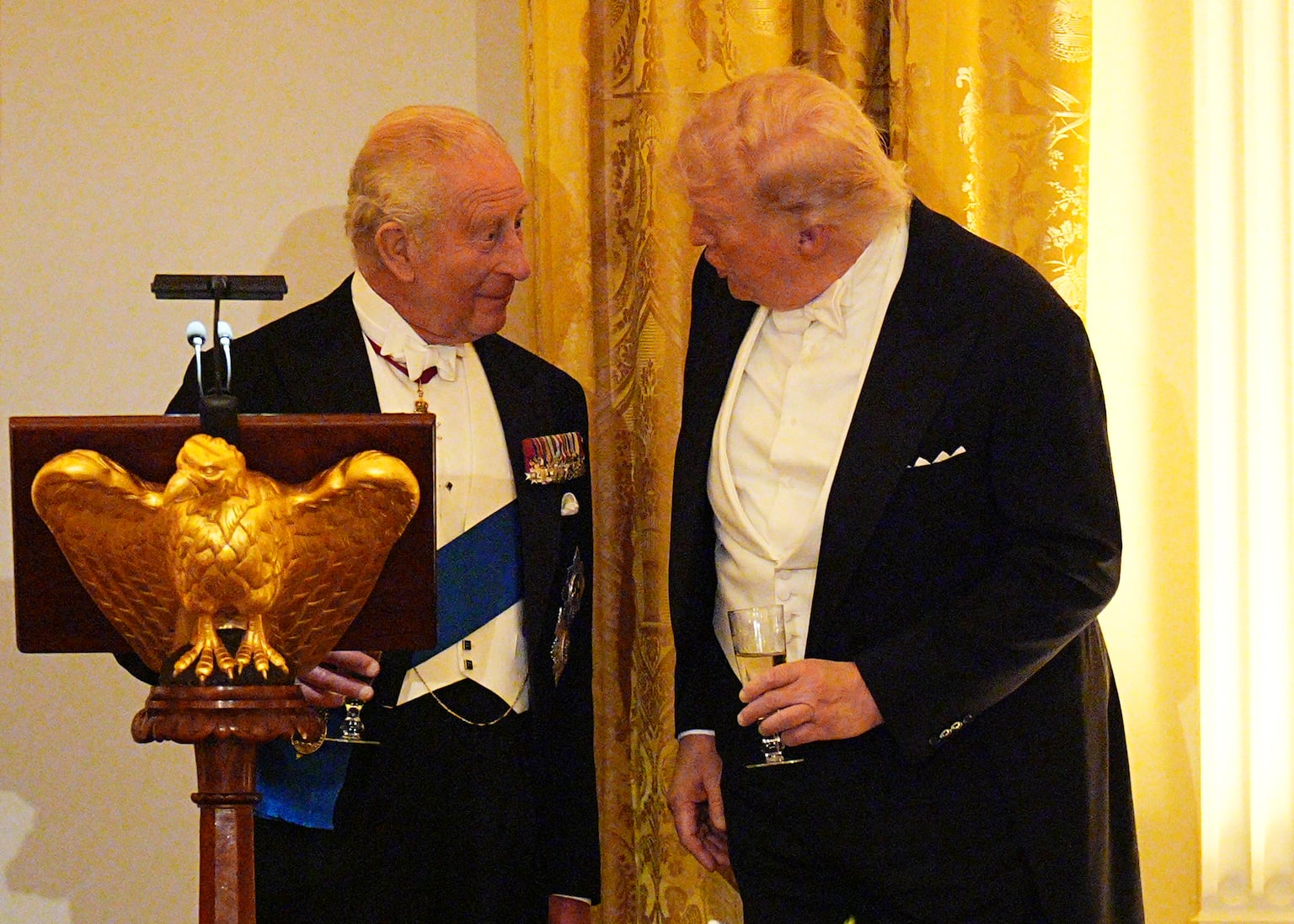
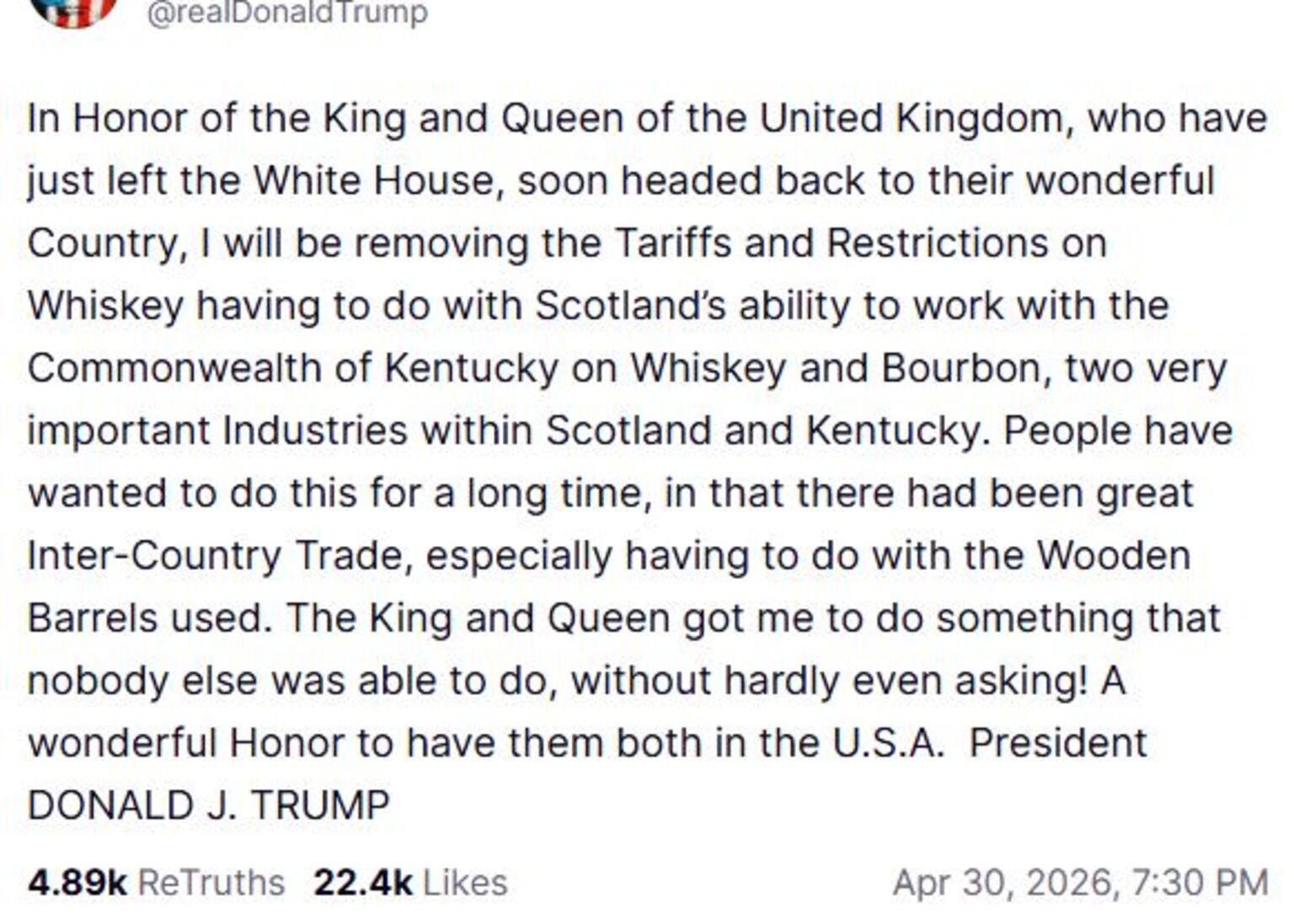
The landscape of the international spirits industry shifted dramatically in 2026. Following a high-profile state visit by King Charles III and Queen Camilla to the United States, President Donald Trump announced a major policy reversal regarding trade duties. In a move that has sent ripples through the global whiskey sector, the US government has officially removed all tariffs on whiskey imports originating from the United Kingdom.
While the primary focus of the administration’s rhetoric centered on Scotch whisky, the fine print of the policy—confirmed by US Trade Representative Jamieson Greer—applies to all whiskey produced within the UK. This creates a seismic shift for Northern Irish distilleries, which now find themselves with a massive competitive advantage over their counterparts in the Republic of Ireland.
The Tariff Divide: A Tale of Two Islands
For years, the Irish whiskey industry has navigated a turbulent trade environment. In August 2025, the implementation of retaliatory tariffs hit the sector hard, contributing to a 5% decline in exports from the Republic of Ireland. Producers south of the border are currently grappling with a stiff 15% tariff on their US-bound exports, a hurdle that has forced many to scale back production or face insolvency.
Conversely, Northern Irish producers—who operate under the UK’s duty regime—are now exempt from these costs. Even though Northern Ireland maintains a unique status within the EU single market for goods, its whiskey exports to the United States are categorized as UK-origin products. This distinction has turned a previously level playing field into a lopsided race for market share in the US, the industry’s most lucrative export destination.
The Old Bushmills Distillery and the Northern Renaissance
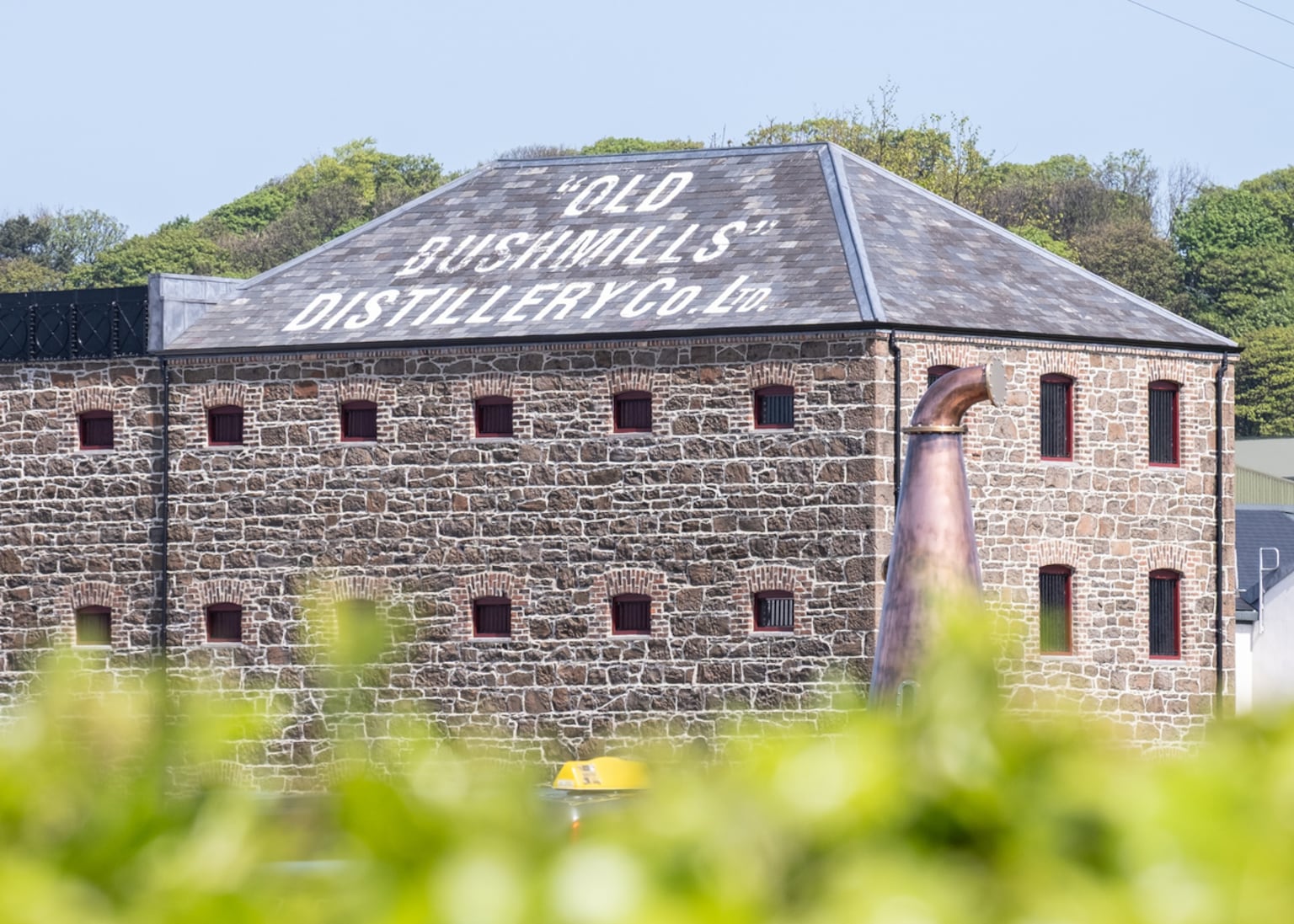
The most immediate beneficiary of this policy change is undoubtedly the Old Bushmills Distillery in County Antrim. As the largest and most historic exporter in the region, Bushmills is perfectly positioned to reclaim lost ground and aggressively expand its US footprint without the burden of the 10% tariff that previously hindered its growth.
However, the “Northern Renaissance” in distilling extends far beyond the giants of the industry. Over the past decade, a vibrant ecosystem of craft distilleries has emerged across the six counties. From the shores of Strangford Lough to the Mourne Mountains, these producers are now poised to compete on price and quality in the American market.
Emerging Players to Watch
Rademon Estate Distillery (Co Down): Known for its innovative approach, this distillery is a prime example of the high-quality craft output now entering the US duty-free.
Echlinville & Hinch: Both have been instrumental in putting Northern Irish whiskey back on the global map.
McConnell’s & Titanic Distilleries: These Belfast-based icons are leveraging the city’s rich industrial heritage to capture the attention of US whiskey enthusiasts.
Two Stacks: This Newry-based bonder has pioneered the “dram in a can” concept and recently secured a high-profile distribution partnership with billionaire Bill Foley’s spirits division.
- Killowen & Wild Atlantic: These smaller, artisanal producers are set to benefit from the reduced barrier to entry, allowing them to showcase their unique, small-batch expressions to a wider audience.
Economic Implications and Strategic Shifts
The decision to lift these tariffs was framed by President Trump as a diplomatic gesture, but the economic ramifications are calculated and significant. UK Business and Trade Secretary Peter Kyle has lauded the move as a major victory for the industry, emphasizing that the removal of tariffs will protect vital jobs and reinforce the “Special Relationship” between the two nations.
For US importers who had spent much of 2024 and early 2025 stockpiling inventory in anticipation of rising costs, this news provides a sudden relief valve. The devaluation of the US dollar and surging production costs had previously pushed many Irish whiskey brands to the brink. This tariff relief effectively acts as a subsidy for Northern Irish producers, allowing them to lower retail prices or increase their marketing spend in the US—a move that will put immense pressure on Republic-based competitors who must still absorb the 15% tariff cost.
Navigating the Future: Can the Industry Adapt?
The industry in the Republic of Ireland faces a period of intense strategic realignment. With export volumes having already dipped last year, the added disadvantage of a 15% tariff creates a challenging environment for Irish distillers to maintain their competitive edge. Industry bodies are likely to lobby for diplomatic solutions or tax offsets, but for the immediate future, the advantage lies firmly with the Northern Irish sector.
As we look toward the remainder of 2026, the success of this shift will depend on how effectively Northern Irish brands capitalize on their new duty-free status. The US market is notoriously competitive, dominated by bourbon and rye, but the growing appreciation for premium, single-malt, and cask-strength Irish whiskey provides a clear path for growth.
Conclusion
The removal of US tariffs on UK whiskey represents a watershed moment for producers in Northern Ireland. By erasing the 10% tax barrier, the US administration has effectively opened the floodgates for a wave of high-quality spirits from the north to enter the American market. While the Republic of Ireland’s whiskey industry faces a period of recalibration under the weight of a 15% tariff, the Northern Irish scene is primed for an era of unprecedented growth and international recognition.
For the connoisseur and the casual drinker alike, this means more choice, better value, and a renewed spotlight on the exceptional craftsmanship emerging from the distilleries of Ulster.