Golders Green Terror Suspect Remanded: Court Hears Details of Alleged Knife Rampage

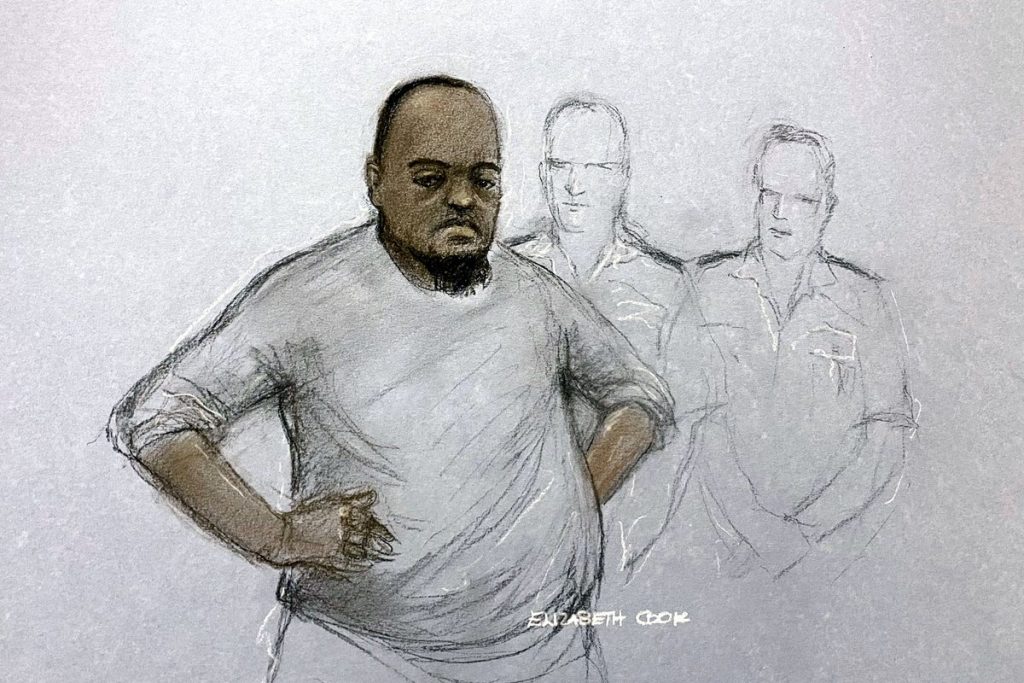
The quiet streets of northwest London were shattered on Wednesday, April 29, 2026, when a series of violent incidents left the community in shock. Essa Suleiman, a 45-year-old British national born in Somalia, appeared at Westminster Magistrates’ Court on Friday, May 1, 2026, facing grave charges following an alleged knife rampage that has been officially declared a terrorist attack by the Metropolitan Police.
The incident, which targeted both an acquaintance and members of the local Jewish community, has prompted a significant shift in the United Kingdom’s security posture. As the nation grapples with the aftermath, the details emerging from the courtroom provide a chilling look into the timeline of the attack and the background of the accused.
The Charges and Court Appearance
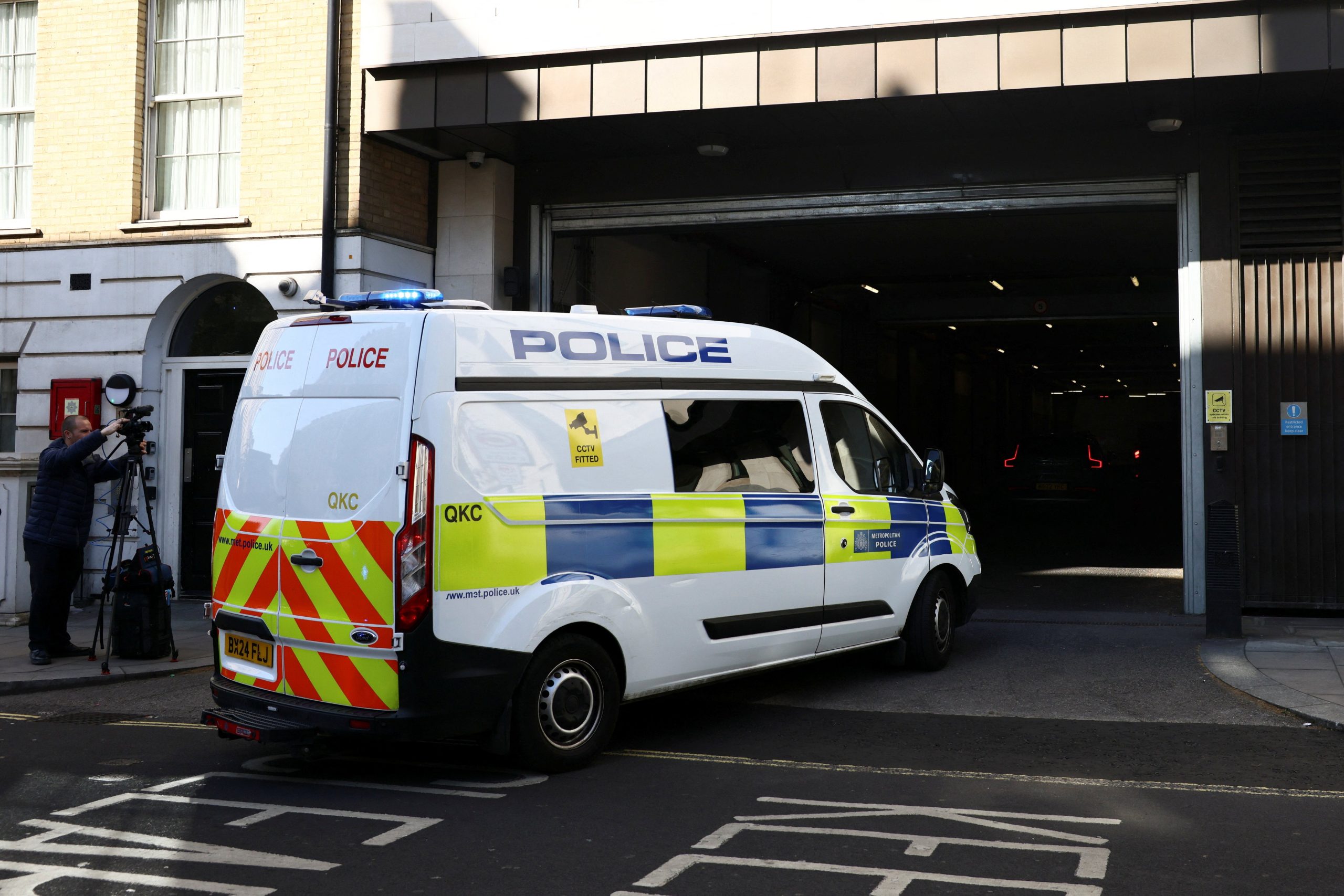
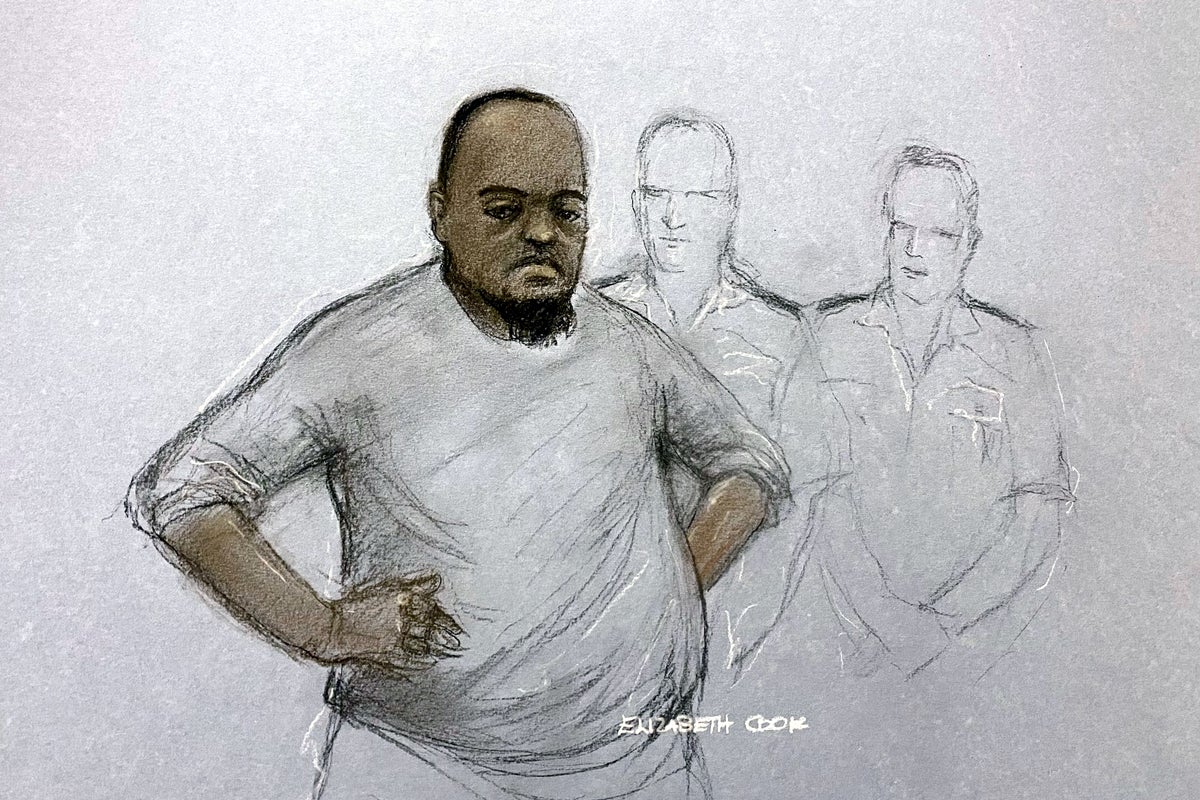
During the brief hearing at Westminster Magistrates’ Court, Suleiman, dressed in a grey prison-issue tracksuit, spoke only to confirm his identity. He appeared in the dock with visible facial bruising and a bloodshot eye, the result of a medical episode that occurred during his arrest.
The prosecution outlined a harrowing series of events that began early Wednesday morning. Suleiman faces three counts of attempted murder and one count of possessing a bladed article in a public place. Chief Magistrate Paul Goldspring remanded the defendant in custody, with his next appearance scheduled for May 15 at the Old Bailey.
The Timeline of Alleged Violence
According to investigators, the violence unfolded across multiple locations in London:
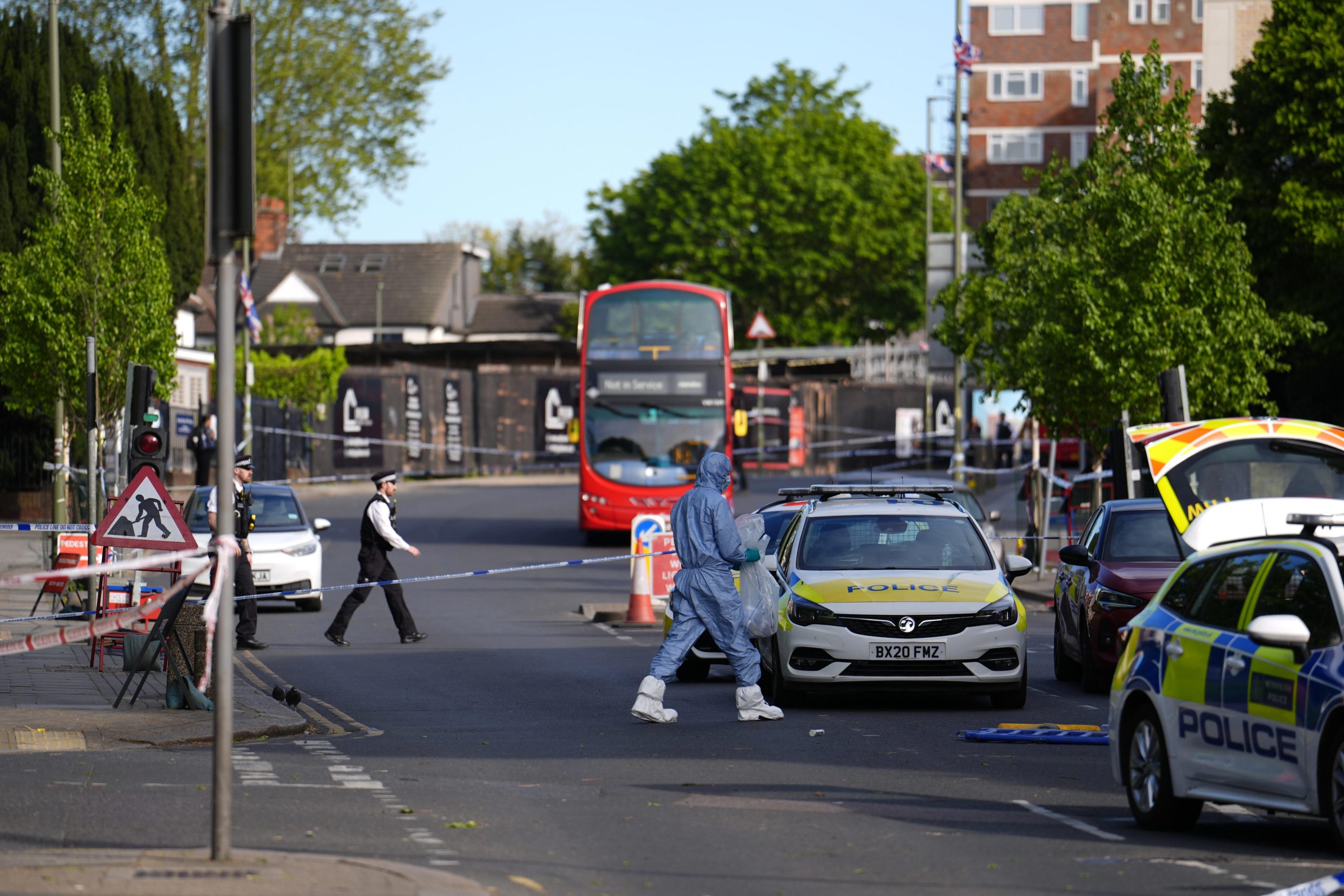
- Southwark Incident (7:50 AM): The defendant allegedly arrived at the home of Ishmail Hussein, an acquaintance, and immediately attempted to stab him. Mr. Hussein sustained minor injuries and alerted the authorities.
- Brent Cross Encounter (11:16 AM): After traveling via public transport, the suspect allegedly targeted Shloime Rand, 34, who was leaving a synagogue on Highfield Avenue. Mr. Rand suffered a punctured lung but has since been discharged from the hospital.
- Golders Green Attack: Shortly after, 76-year-old Norman Shine was attacked while waiting at a bus stop on Golders Green Road. Mr. Shine sustained a neck injury and remains in the hospital in stable condition.
Investigating the Suspect’s Background
As the investigation deepens, questions have surfaced regarding how the suspect, who had been under the oversight of mental health services, was able to carry out such an attack. It has been revealed that Suleiman was living in supported housing in southeast London, a facility designed for individuals transitioning out of secure hospital care.
The South London and Maudsley NHS Trust has confirmed that the defendant was under their care earlier in the week. Furthermore, historical records indicate that Suleiman was referred to Prevent, the UK government’s anti-extremism program, back in 2020. That case was closed the same year after officials determined he did not pose a significant terrorist danger at the time.
The National Security Response
The gravity of the Golders Green incident has forced the British government to re-evaluate the national security landscape. Following the attack, the Joint Terrorism Analysis Centre (JTAC) officially raised the UK’s terror threat level to “severe,” indicating that an attack is considered “highly likely.”
Impact on Public Safety
Heightened Vigilance: The Metropolitan Police have announced increased patrols, particularly in areas with significant Jewish populations or potential protest routes.
Pro-Palestine Marches: Police are currently reviewing the security protocols for upcoming demonstrations across the country to ensure public order and safety.
- Government Action: The Home Office noted that while the Golders Green incident was a catalyst for the change, the threat level had been under upward pressure for some time due to evolving domestic and international tensions.
Community Resilience and Recovery
Despite the fear instilled by the events of April 29, the community response has been one of resilience. Mr. Rand, one of the victims of the attack, spoke to the media about his narrow escape, describing his survival as a “miracle.”
Commander Helen Flanagan, head of Counter Terrorism Policing London, emphasized that the priority remains supporting the victims. “We are determined to get justice for the victims,” she stated, while simultaneously urging the public to avoid speculation that could hinder the ongoing legal proceedings.
Looking Ahead
The legal process is still in its infancy. With the case moved to the Old Bailey for mid-May, the prosecution will focus on building a comprehensive narrative that links the suspect’s mental health history, his previous interaction with anti-extremism programs, and the specific motivations behind the targeted violence.
As London remains under a heightened security alert, the focus remains on the recovery of the victims and the maintenance of communal harmony. The tragic events in Golders Green serve as a stark reminder of the complexities involved in monitoring individuals with both mental health challenges and potential radicalization risks.
For now, the country watches and waits, hoping that the legal system will provide clarity and justice for those affected by this senseless violence. The investigation continues to be led by Counter Terrorism Police, and further updates are expected as the evidence is processed and presented in court.