Protecting Bereaved Children: Stormont’s Path to Implementing ‘Jade’s Law’

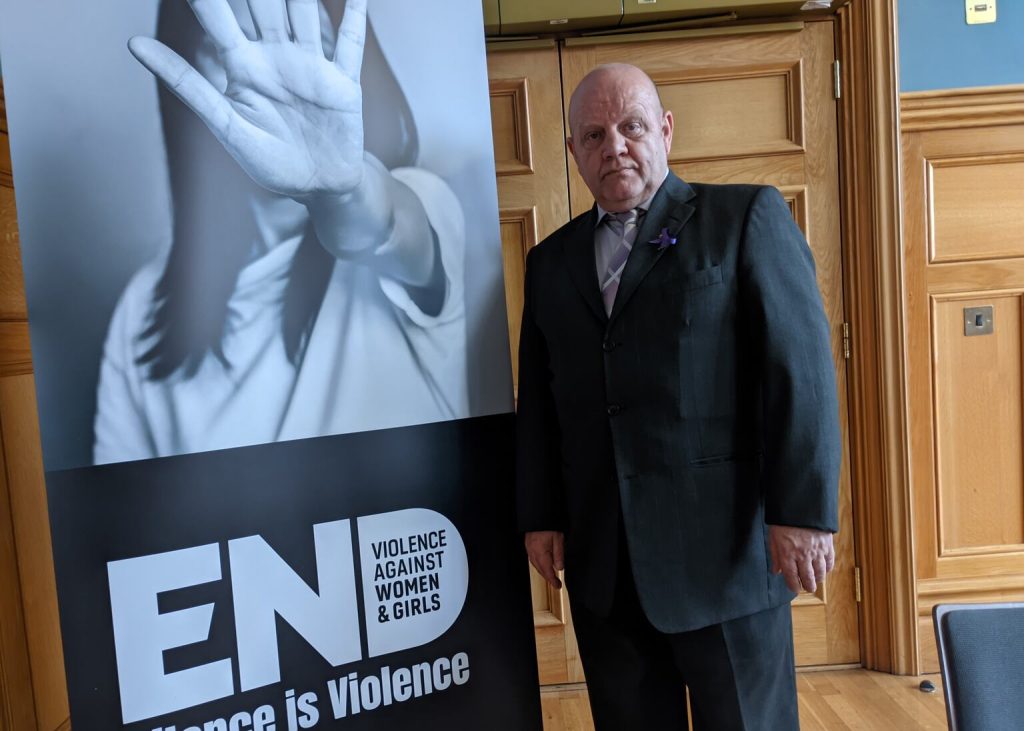
In 2026, the legislative landscape in Northern Ireland is undergoing a significant transformation. Following sustained pressure from victim advocates and a clear mandate from the Finance Minister, John O’Dowd, Stormont has committed to introducing legislation that will strip convicted killers of their parental responsibility over children they share with their victims. This move, widely referred to as the implementation of “Jade’s Law,” seeks to end a traumatic legal loophole that has long forced grieving families to battle in court against the very people who murdered their loved ones.
For years, families across Northern Ireland have lived in fear that an incarcerated parent—who took the life of the other parent—could still wield legal power over their surviving children’s lives from behind prison walls. As of 2026, the government is moving to ensure that such control is permanently revoked, prioritizing the welfare of the child above all else.
The Catalyst: Why ‘Jade’s Law’ is Essential
The movement to reform parental responsibility laws gained significant momentum following the tragic case of Jade Ward. In 2021, the 27-year-old mother was brutally murdered by her partner, Russell Marsh. While the UK government eventually moved to introduce legislation to suspend the parental rights of such offenders, Northern Ireland’s legal system required its own specific pathway to achieve the same protective outcome.
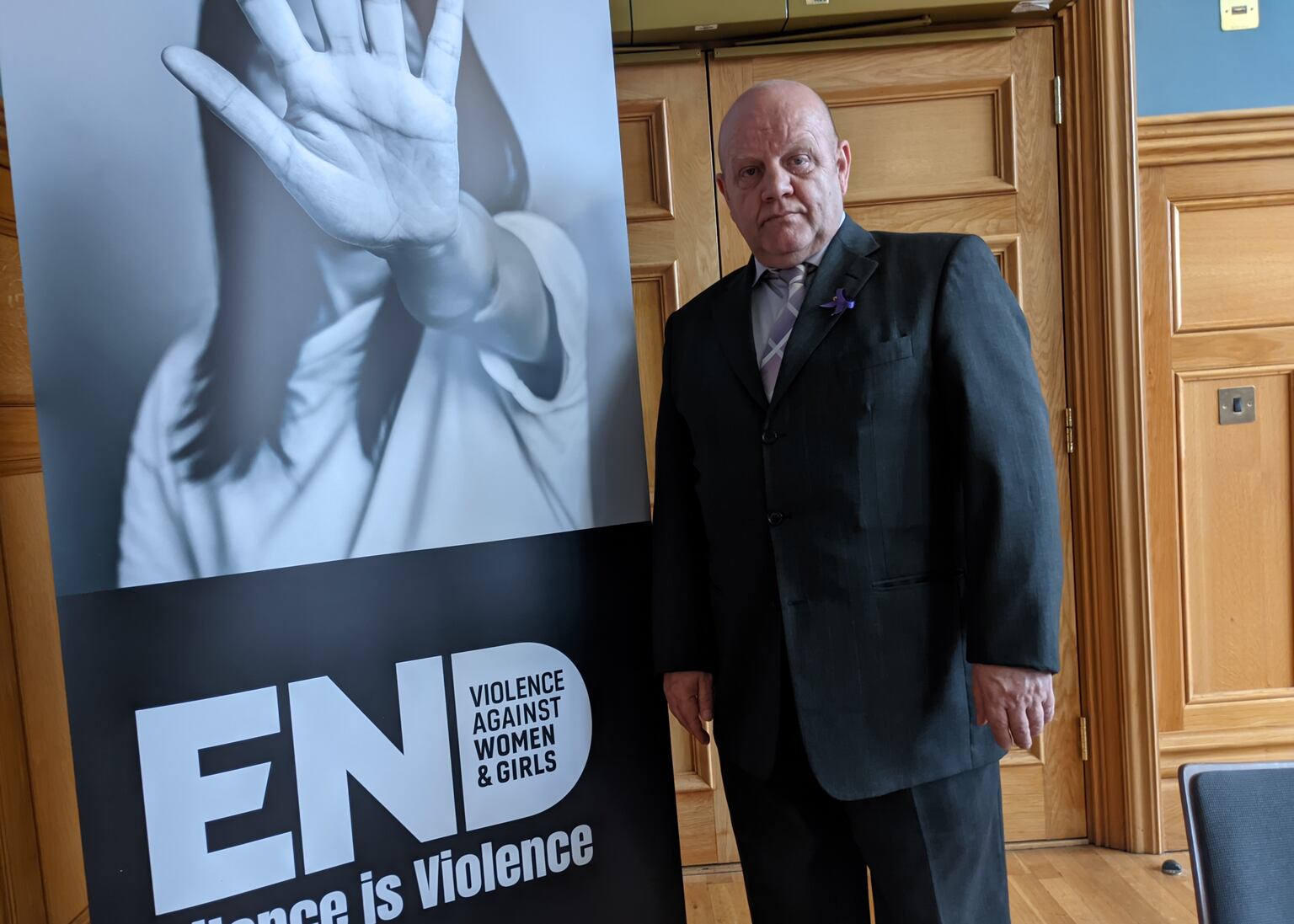
Victims’ campaigner Edwin Duggan has been a pivotal figure in this push. During an event at Derry’s Guildhall, Duggan highlighted the alarming frequency of domestic homicide in the region, noting that over 30 women have been murdered in Northern Ireland since 2020. His advocacy underscored the reality that Northern Ireland’s current legal framework was failing to protect children from the secondary trauma of being “parented” by a convicted murderer.
How the Proposed Legislation Will Function
The core objective of the upcoming legislation is to provide an automatic, robust mechanism for removing parental rights. Under the proposed reforms, any individual convicted of the murder or voluntary manslaughter of a partner or ex-partner with whom they share children will face the immediate suspension of their parental responsibility upon sentencing.
Key Aspects of the Reform:
Automatic Suspension: The law removes the burden from the surviving family members to petition the court for the removal of rights. It becomes a mandatory consequence of a conviction.
Child-Centric Focus: By stripping the offender of their legal say in matters such as education, medical care, and travel, the state is prioritizing the safety and emotional stability of the children.
- Alignment with GB Statutes: While Northern Ireland has its own legal nuances, the legislation draws heavily on the principles established by the Victims and Prisoners Act 2024, ensuring that the protection afforded to children is consistent across the United Kingdom.
Bridging the Legal Gap
Finance Minister John O’Dowd has been vocal about the necessity of this change. Acknowledging that the legal process can be an agonizing, life-long burden for families, O’Dowd has instructed his officials to initiate detailed policy development. The goal is not merely to copy the British law, but to integrate these protections into a broader reform of family law in Northern Ireland.
“I am very conscious of the devastating and life-long impact that such circumstances have on children,” O’Dowd remarked during his announcement. By embedding these provisions within a wider legislative review, the administration hopes to create a more resilient system that addresses the complexities of parental responsibility in cases of domestic homicide.
Political and Social Support
The campaign for this legislation has transcended political divides at Stormont. Politicians, including Julie Middleton (DUP MLA for Foyle), have been instrumental in pushing the agenda forward. Middleton has famously argued that “no family should have to continue battling the legal system while grieving the murder of a loved one.”
The support is not limited to the political sphere. Women’s Aid Northern Ireland has been a staunch advocate for this change, noting that for years, they have supported families who were subjected to the ongoing, manipulative influence of a convicted murderer through the legal system. The consensus is clear: a person who takes the life of their child’s other parent has fundamentally forfeited their right to make decisions regarding that child’s welfare.
Addressing the Complexity of Implementation
While the commitment is firm, the path to implementation involves navigating complex legal hurdles. Critics and legal scholars have noted that family law is inherently sensitive, requiring a delicate balance between the rights of a parent and the protection of a child. However, the prevailing view in 2026 is that the “right to parent” is not absolute and is irrevocably severed by the act of domestic homicide.
The government is now in the phase of “detailed policy development.” This involves ensuring that the legislation is “bulletproof” against legal challenges while remaining swift enough to provide immediate relief to grieving families. By learning from the challenges faced in the implementation of similar laws in Britain, Stormont aims to avoid the bureaucratic delays that can often stall critical protective measures.
The Broader Impact on Domestic Abuse Policy
This legislative shift is a critical component of a much wider strategy to tackle domestic abuse in Northern Ireland. By removing the offender’s ability to control the child’s life, the state is effectively closing one of the most painful avenues for post-separation abuse.
Why This Matters for the Future:
- Reduced Secondary Trauma: Children will no longer have to live with the fear that their parent’s murderer holds power over their future.
- Legal Clarity: Courts will have a clear mandate, removing the ambiguity that previously allowed for lengthy, expensive legal battles.
- Accountability: The law serves as a powerful recognition that domestic violence has long-term consequences that extend far beyond the immediate criminal act.
Conclusion: A Step Toward Justice
As Northern Ireland moves toward the final adoption of these measures, the focus remains on the families left behind. The introduction of this law represents more than just a change in the statute books; it is a profound acknowledgment of the trauma endured by victims of domestic homicide.
By ensuring that convicted killers lose their parental responsibility, Stormont is finally providing the legal protections that families have been demanding for years. It is a necessary, compassionate, and long-overdue step toward ensuring that children affected by such horrific crimes are given the space to heal without the shadow of their parent’s murderer looming over their future decisions.