Security Crisis: Police Review Potential Ban on Pro-Palestine Marches Following Golders Green Attacks

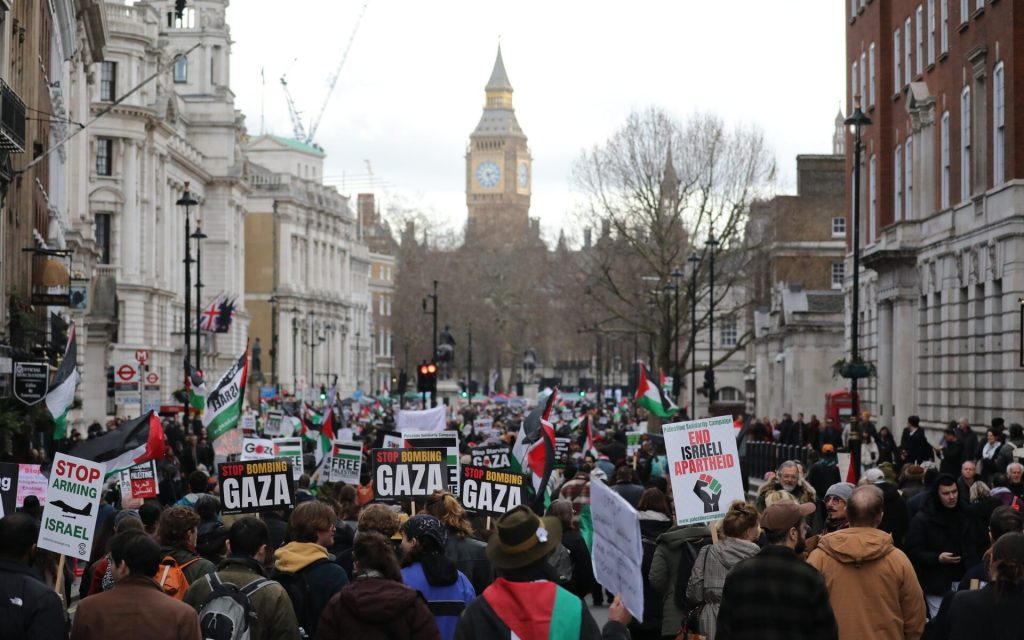
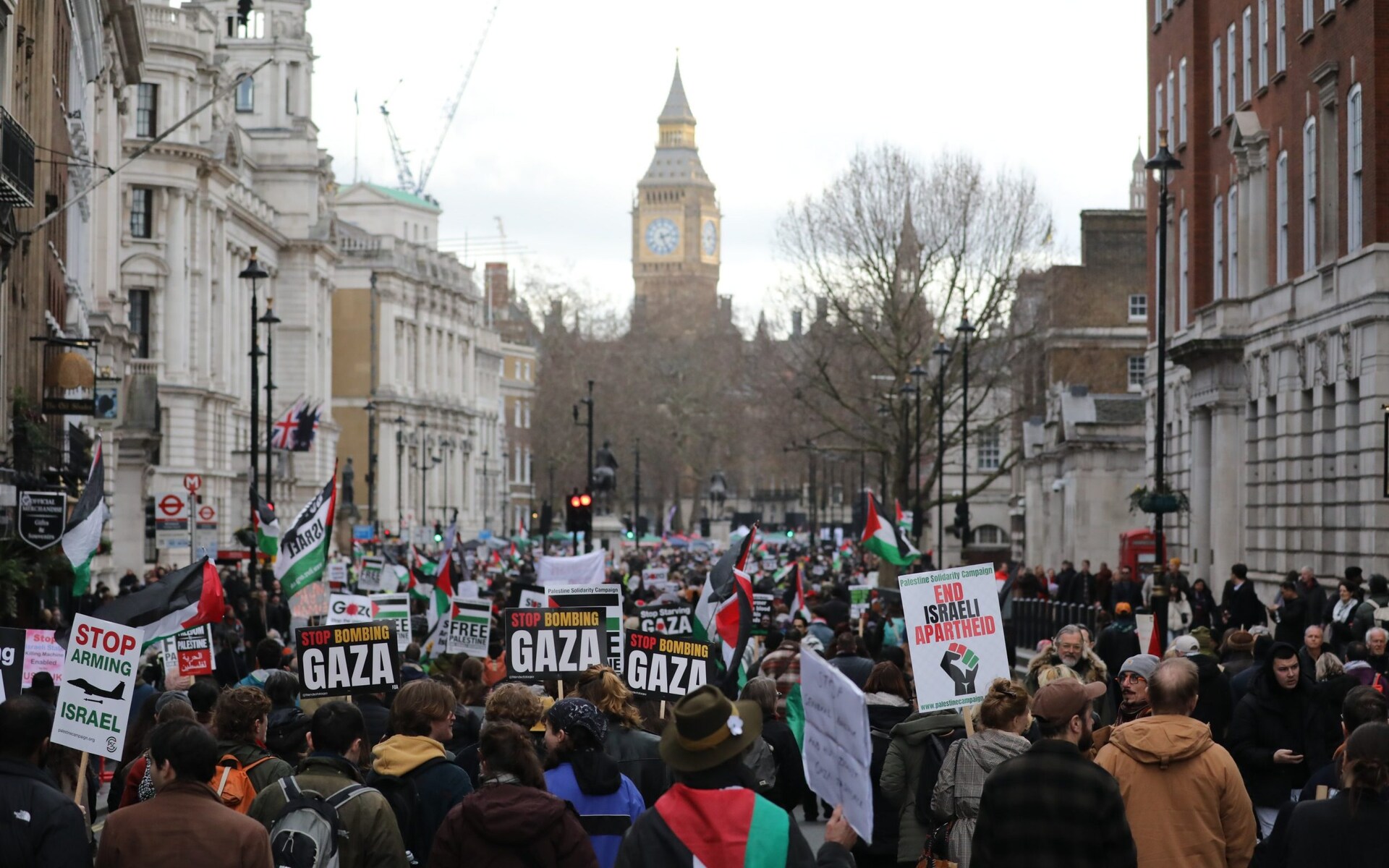
The United Kingdom finds itself at a critical juncture regarding the delicate balance between the right to peaceful protest and the imperative of national security. Following a violent attack in Golders Green that left two Jewish men hospitalized, authorities are under immense pressure to reconsider the future of pro-Palestine demonstrations. As the country navigates a surge in anti-Semitic incidents, the Metropolitan Police, alongside government officials, are currently reviewing whether upcoming marches should be permitted to proceed.
The Escalating Threat: Why Golders Green Changed the Conversation
The recent incident in Golders Green has sent shockwaves through the UK, elevating the national terror threat level to “severe.” This classification indicates that an attack is considered highly likely. For many, the violence was not an isolated event but a grim manifestation of a broader, systemic issue involving hate speech and intimidation directed toward the Jewish community.
Jonathan Hall KC, the independent reviewer of terror legislation, has been among the most vocal figures calling for a significant policy shift. He has suggested a “moratorium” on these marches, arguing that the atmosphere at such events has become inherently toxic. According to Hall, these gatherings frequently serve as incubators for demonizing language, effectively placing a “target on the backs of Jews.”
Defining a National Security Emergency
The scale of anti-Semitic sentiment currently sweeping the nation has led some to describe the situation as the most significant national security emergency in the UK since the onset of the COVID-19 pandemic. While Home Secretary Shabana Mahmood has expressed caution regarding the terminology of a “national emergency”—noting that it could imply a suspension of democratic norms—she has acknowledged that the protection of the Jewish community is an absolute priority.
Policing the Streets: The Met’s Complex Dilemma
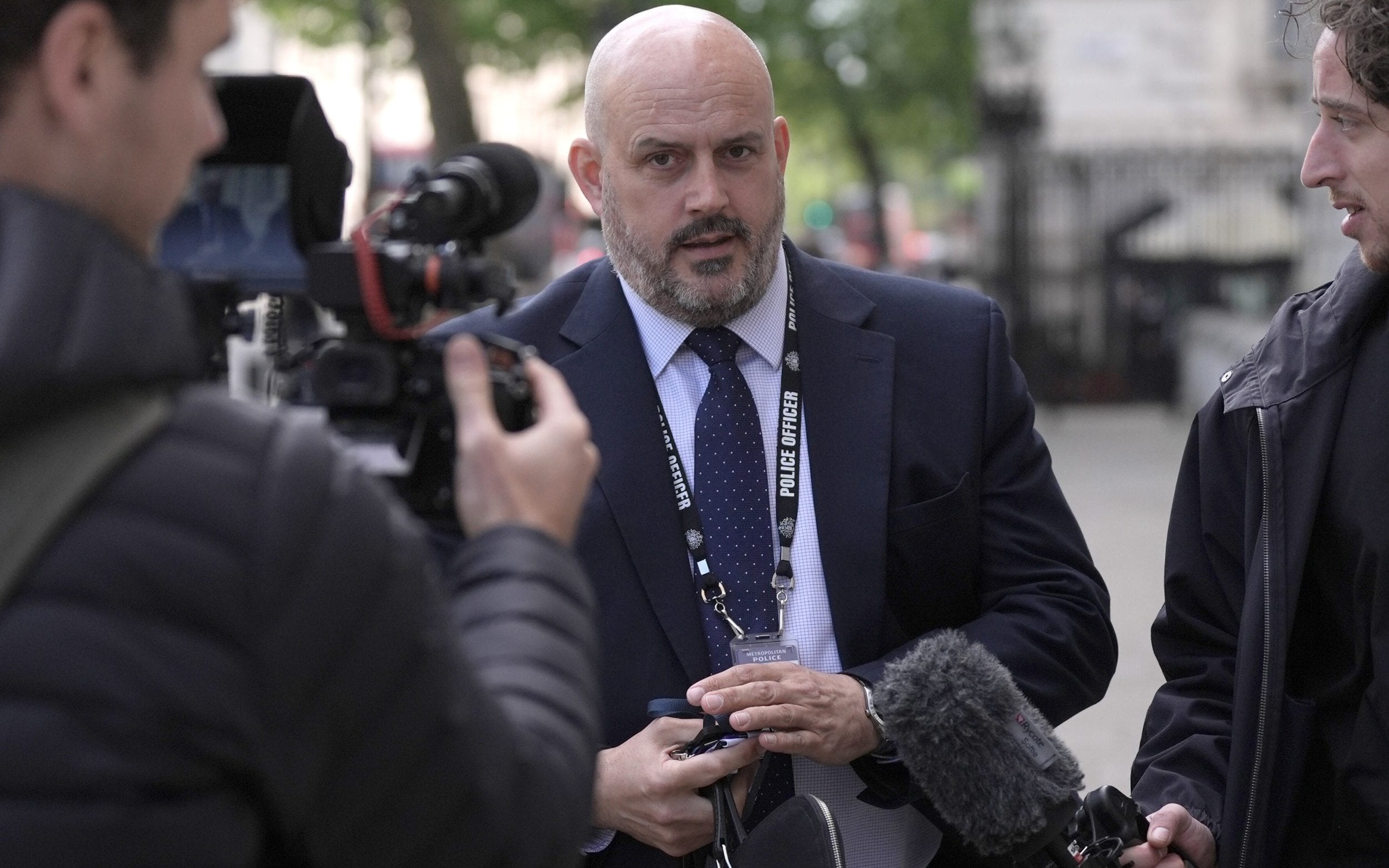
Assistant Commissioner Laurence Taylor, the Metropolitan Police’s head of counter-terrorism, is currently tasked with an unenviable mission. The force must balance the fundamental right to protest with the duty to ensure public safety. In the wake of the Golders Green attack, the Met is conducting a nationwide review of all upcoming events.
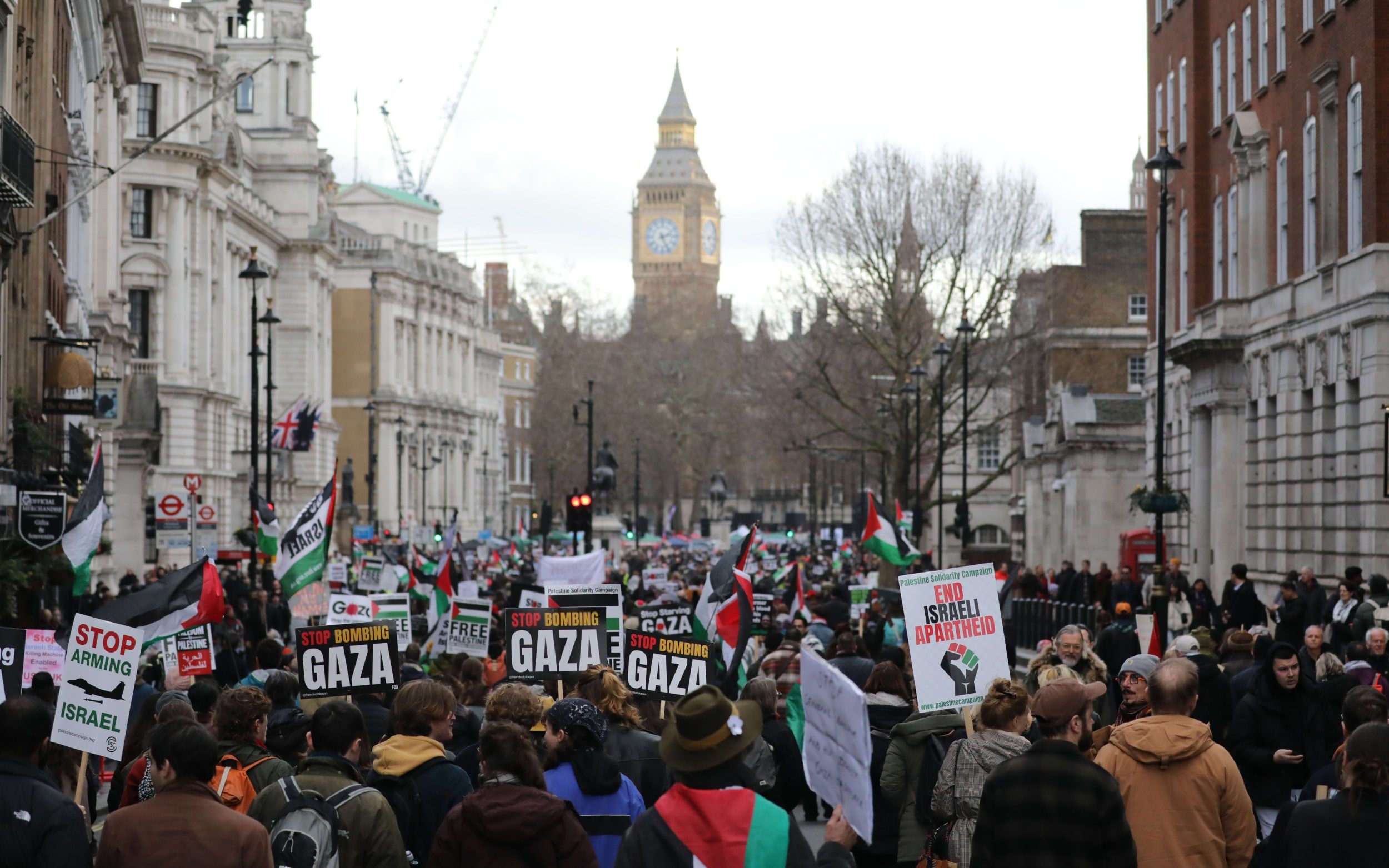
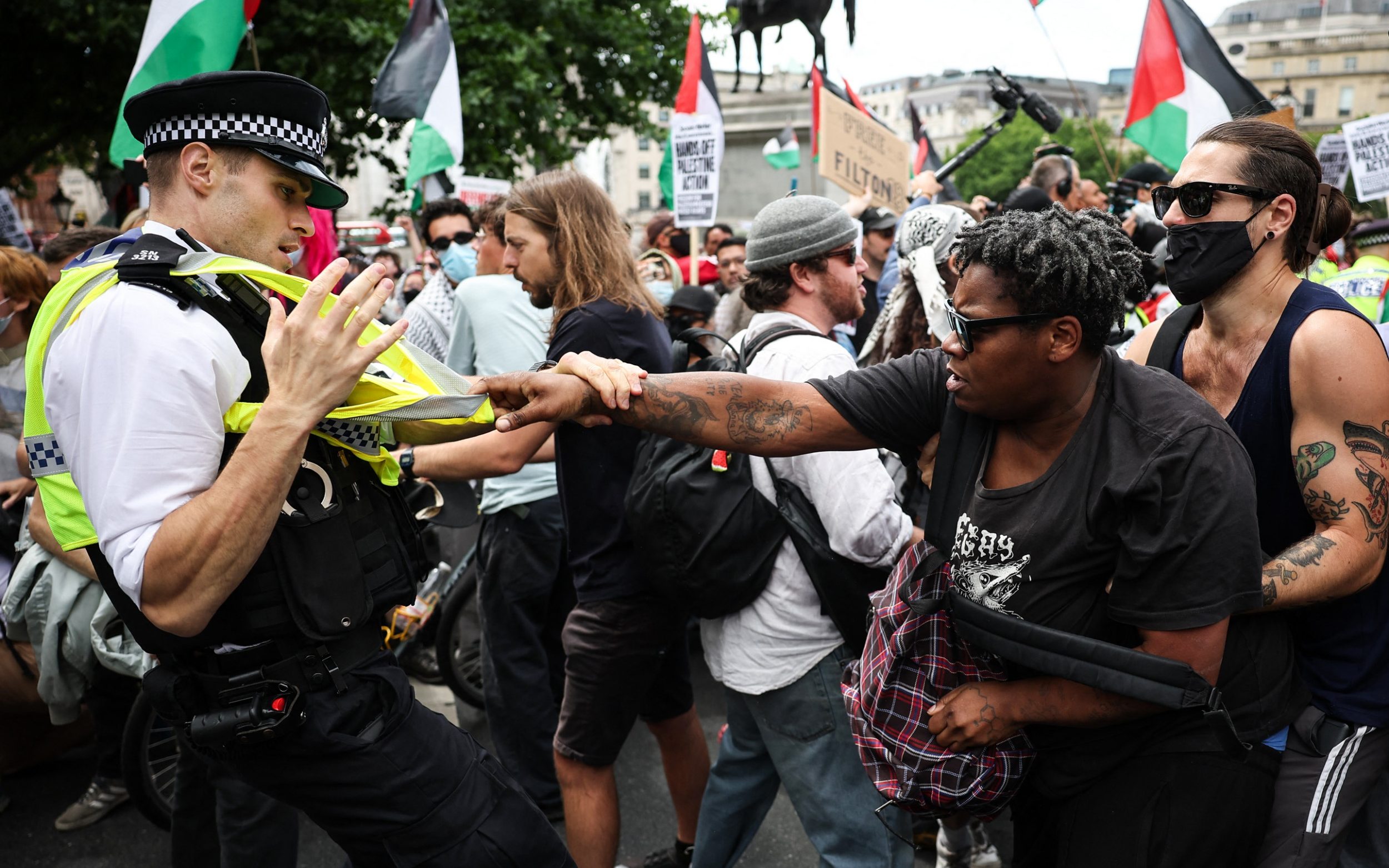
The logistical burden on the police is immense. With Nakba Day rallies planned for May 13—coinciding with far-right “Unite the Kingdom” marches and the high-profile FA Cup final—the potential for public disorder is at an all-time high. The police are now engaging in intense discussions with community leaders and government officials to determine if mitigations, such as static protests or bans, are necessary to prevent further violence.
The Challenge of Resource Allocation
Policing these large-scale events requires significant manpower and financial resources. As the threat level remains severe, the Met is stretched thin. The decision to ban a march is never taken lightly, as it invites legal challenges and accusations of authoritarianism. However, the risk of “serious public disorder” provides the legal threshold required for the Home Secretary to approve a ban under the Public Order Act.
Political Friction: The Debate Over Free Speech
The prospect of banning protests has ignited a fierce political debate. Prime Minister Keir Starmer has taken a hardline stance, warning that those marching under banners advocating for the “globalization of the Intifada” are essentially endorsing the murder of Jewish people. This rhetoric marks a shift in the government’s approach, moving from observation to active crackdown.
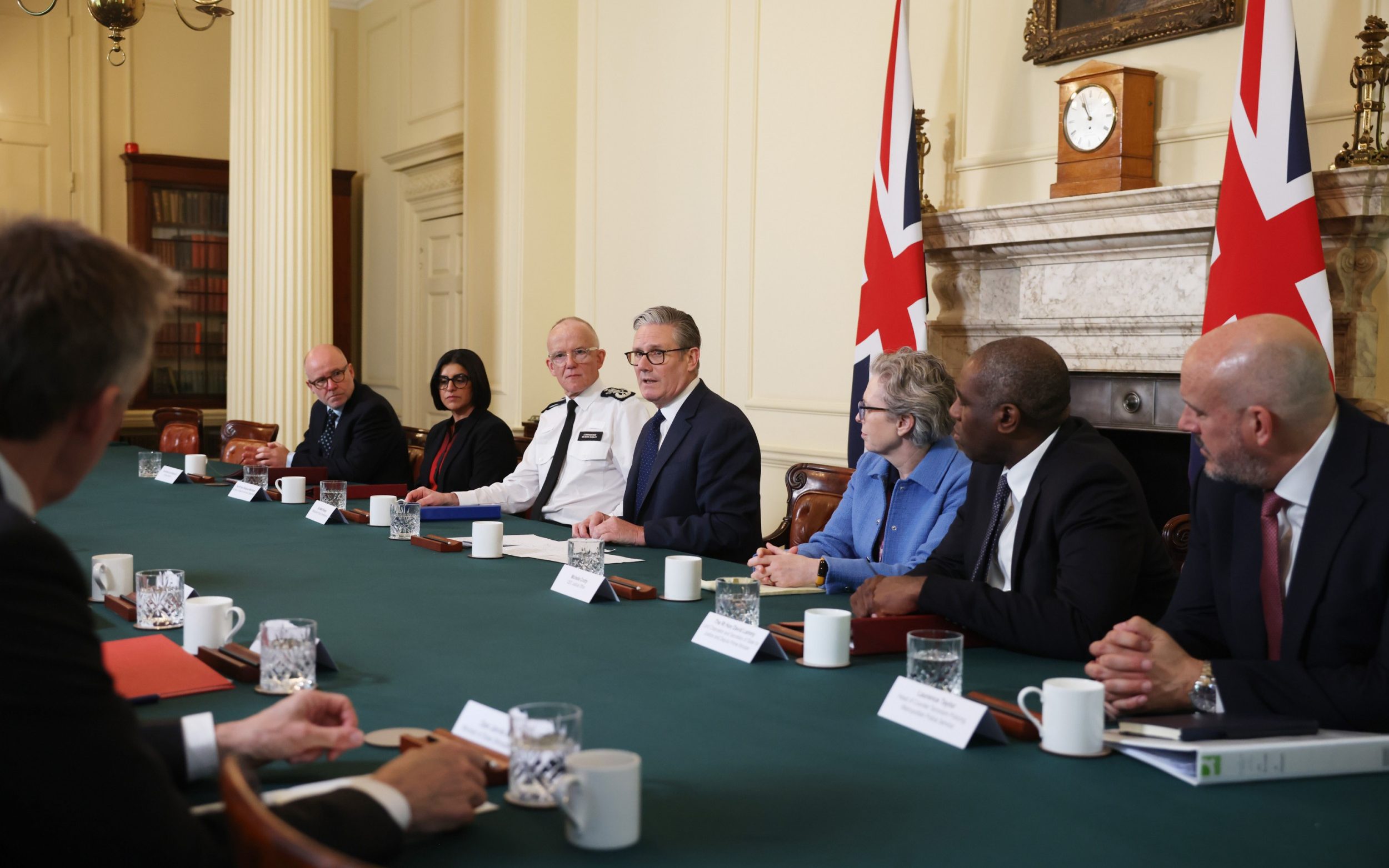
Conversely, critics of the government’s potential ban argue that such measures are an overreach. Zack Polanski, leader of the Green Party, has accused the Labour government of “using Jewish pain” to justify authoritarian policies. He suggests that banning protests exploits a sensitive situation for political gain, potentially silencing legitimate dissent and violating civil liberties.
Balancing Rights and Safety
The tension between free speech and public order is a cornerstone of democratic society, but the events of 2026 have challenged the boundaries of that balance. The key arguments include:
- The Case for Banning: Proponents argue that when protests cross the line into inciting hatred or violence, they lose their right to protection.
- The Case for Free Speech: Opponents warn that banning protests sets a dangerous precedent that could lead to the systematic silencing of political opposition.
- The Practical Reality: Law enforcement focuses on the “risk-based” approach, determining whether the police can realistically maintain order without infringing on the rights of the public.
Looking Ahead: What to Expect in May
As the date for the Nakba Day rally approaches, all eyes remain on the Home Office and Scotland Yard. The government is scanning the horizon for potential flashpoints, knowing that the outcome of these discussions will set the tone for the remainder of the year.
The strategy appears to be a mix of heightened security measures and strategic bans where the risk of disorder is deemed unmanageable. Whether the government proceeds with a full moratorium or opts for localized restrictions, the objective remains clear: preventing the UK from descending into the kind of communal strife that has already resulted in unacceptable levels of violence.
Conclusion: A Test of Democratic Resilience
The UK is facing a profound test of its social cohesion. The rise of anti-Semitism is a stain on the national landscape that requires both swift police action and deep societal reflection. While the right to protest is a cherished aspect of the British democratic identity, it cannot exist in a vacuum that permits violence and intimidation. As authorities weigh the evidence, the path forward will likely involve a more stringent approach to public order, ensuring that while voices can be heard, they do not drown out the safety and security of the Jewish community.