Canadian Manufacturing Surges: Largest Monthly Growth in 3 Years Signals Economic Rebound in 2026

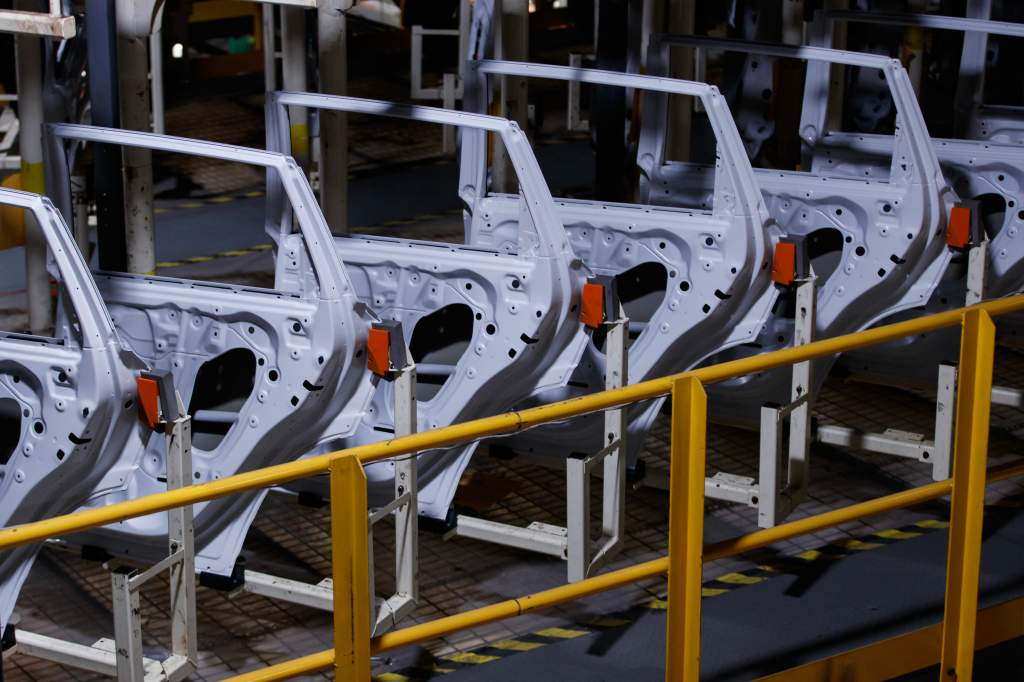
The Canadian economy has officially shifted gears. After a period of stagnation and a slight contraction at the tail end of 2025, the latest data from Statistics Canada (StatCan) reveals a surprising and robust recovery. In February 2026, Canada’s manufacturing sector recorded its largest monthly growth in three years, defying expectations and overcoming significant trade hurdles.
This resurgence is not just a statistical anomaly; it represents a pivotal moment for the nation’s industrial heartland. As the global trade landscape remains volatile, Canadian factories are proving their resilience. With a 1.8% increase in manufacturing output, the sector is single-handedly steering the national GDP back into positive territory.
A Closer Look at the February GDP Numbers
According to the official report released by StatCan, Canada’s overall economy grew by 0.2% in February 2026. While this might seem modest on the surface, it follows a 0.1% increase in January, marking a consistent upward trend for the first quarter of the year.
The real story, however, lies in the annualized GDP growth projections. Based on the current trajectory, StatCan estimates that Canada’s economy will expand at an annualized rate of 1.7% for Q1 2026. This is a significant improvement over the fourth quarter of 2025, which saw the economy shrink under the weight of high interest rates and international trade tensions.
The Manufacturing Sector: The Unlikely Hero
Leading this charge is the manufacturing industry. Despite being heavily impacted by tariffs imposed by U.S. President Donald Trump, the sector rose by 1.8% in February. This represents the strongest monthly performance since January 2023, when the industry was still riding the post-pandemic recovery wave.
The growth was primarily fueled by a 3.6% expansion in durable-goods manufacturing. Within this category, machine manufacturing stood out with a staggering 8.7% increase, suggesting that Canadian businesses are finally reinvesting in capital equipment and modernization.

The Auto Sector: Defying the Tariff Pressure
Perhaps the most remarkable aspect of the February report is the performance of the Canadian automotive industry. Ontario, the hub of Canada’s car manufacturing, saw its assembly plants ramp up production significantly.
The data shows that motor vehicle manufacturing surged by 20.4% in February alone. This comes at a time when the sector has been directly in the crosshairs of U.S. trade policy. Furthermore, auto parts manufacturing rose by 4.2%, indicating a healthy supply chain recovery.
Why the Auto Sector is Bouncing Back
Several factors contributed to this sudden spike in automotive production:
- Clearing Backlogs: Many plants are finally resolving the last of the supply chain bottlenecks that lingered from previous years.
- Strategic Inventory Building: Manufacturers may be front-loading production to mitigate the impact of future tariff escalations.
- Shift to Electric Vehicles (EVs): Continued investment in EV retooling in Ontario is beginning to yield tangible output.
The transportation equipment sector as a whole nearly fully recovered from a 7% dip in January, posting a 5.5% increase in February.
Strength in Metals and Mining
It wasn’t just cars and machines driving the growth. The primary metal manufacturing sector, another industry hit hard by cross-border tariffs, rose by 5.2%. This suggests that Canadian steel and aluminum producers are finding ways to remain competitive or are successfully pivoting to domestic and non-U.S. international markets.
The broader goods-producing sector also saw gains elsewhere:
- Mining, Quarrying, and Oil and Gas Extraction: Grew by 0.4%, providing a stable foundation for the economy.
- Transportation and Warehousing: Rose by 1.2%, with truck transportation recording its largest growth since March 2021. This indicates that the movement of goods across the country is accelerating.
- Finance and Insurance: Saw a modest 0.2% increase, reflecting a cautious but stable financial environment.
The Flip Side: Where the Economy is Shrinking
While the industrial sectors are booming, the public sector and service industries are facing a different reality. In February 2026, Canada’s public sector saw a 0.3% decline, with public administration specifically falling by 0.5%.
Education services also took a hit, shrinking by 0.5%—the first decline for the sector in four months. Perhaps most concerning was the arts, entertainment, and recreation sector, which contracted by 2.5%. This was the largest drop for the sector since the Omicron variant disruptions of early 2022, suggesting that consumer discretionary spending is still under significant pressure.
Analyzing the Bank of Canada’s Outlook
The Bank of Canada (BoC) remains cautiously optimistic about the remainder of the year. The central bank projects that the Canadian economy will expand by 1.2% in 2026, followed by 1.6% in 2027 and 1.7% in 2028.
According to the BoC, this growth will be driven by a gradual resumption of exports and business investment. The February manufacturing surge aligns perfectly with this forecast, providing the first concrete evidence that the “resumption” is already underway. However, economists warn that the “headline figures” might mask some underlying weaknesses, particularly in household consumption and the service sector.
What This Means for the Rest of 2026
The surge in manufacturing is a double-edged sword. On one hand, it proves that Canada’s industrial base is resilient enough to withstand external political pressure and trade barriers. On the other hand, the reliance on a few key sectors (like autos and machinery) makes the economy vulnerable if those specific industries face new shocks.
Key Takeaways for Investors and Businesses
- Industrial Resilience: The 1.8% jump in manufacturing is a green light for investors looking at Canadian industrials and materials.
- Logistics is Growing: The spike in truck transportation suggests that domestic trade routes are becoming more active.
- Policy Matters: The impact of U.S. tariffs remains the biggest “wild card” for the 2026 economic outlook. Manufacturers are currently managing, but long-term sustainability will depend on trade negotiations.
Conclusion: A Turning Point for Canada?
The February 2026 StatCan report is a testament to the “grit” of the Canadian manufacturing worker. To see the largest growth in three years in the face of aggressive tariffs is nothing short of extraordinary. While the decline in the public sector and arts indicates that the economy isn’t firing on all cylinders yet, the “engine” of the economy—manufacturing—is roaring back to life.
As we look toward the official final estimate for quarterly GDP next month, all eyes will be on whether this momentum can be sustained into the spring. For now, Canada can take pride in a manufacturing sector that refuses to be sidelined.