Hanwha’s Bold Gambit: Sweetening the Pot for Canada’s Multi-Billion Dollar Submarine Contract

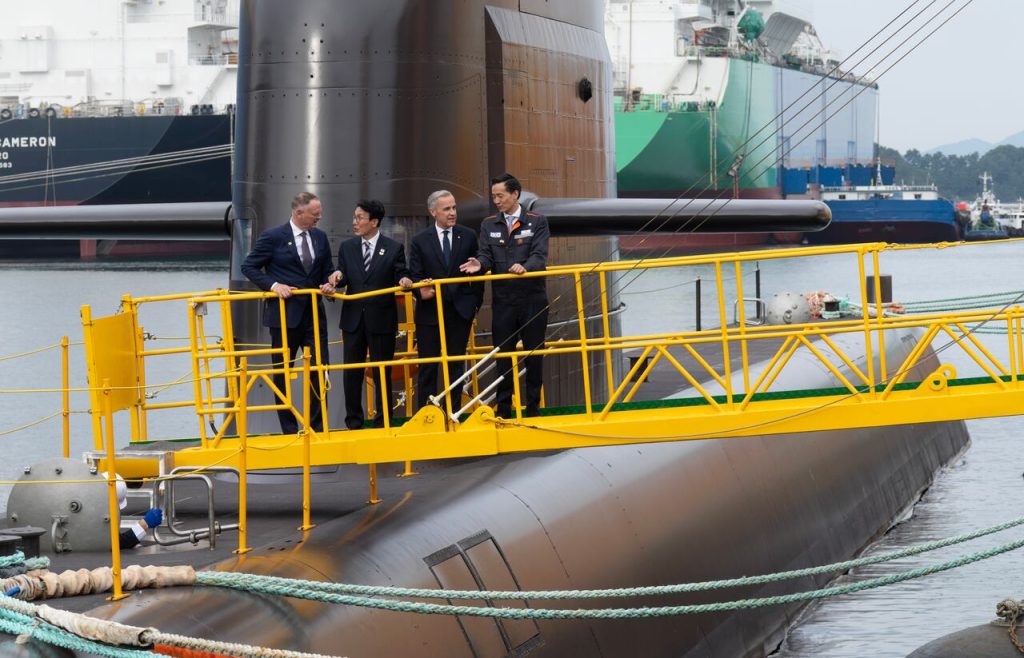
As Canada inches closer to a historic decision regarding its Patrol Submarine Project (PSP), the race to replace the aging Victoria-class fleet has reached a fever pitch. In 2026, the stakes have never been higher, with South Korea’s Hanwha Group delivering an aggressive, last-minute proposal designed to do more than just sell submarines—it aims to revitalize Canada’s entire defense industrial base.
By integrating a sophisticated “sweetener” package into their bid, Hanwha is positioning itself as a strategic partner rather than just a vendor. This move has fundamentally altered the competitive landscape, putting significant pressure on their primary rival, Germany’s Thyssenkrupp Marine Systems (TKMS).
A Strategic Pivot: Beyond the Submarine
While the core of the competition remains the acquisition of up to 12 advanced, diesel-electric submarines to patrol Canada’s three oceans, Hanwha’s latest strategy focuses on domestic economic sovereignty. The company has officially signed a Memorandum of Understanding (MOU) with Canada’s Automotive Parts Manufacturers’ Association (APMA).
This partnership is not merely a gesture; it is a promise to build a robust suite of armored vehicles on Canadian soil. By leveraging the expertise of Canadian automotive workers and facilities idled by shifting global trade dynamics, Hanwha intends to create a “sovereign Canadian automotive business unit.”

What Hanwha is Bringing to the Table
The proposed industrial cooperation framework is extensive, spanning multiple sectors beyond maritime defense. If Hanwha secures the contract, the Canadian Armed Forces could see the integration of:
- Redback Infantry Fighting Vehicles: High-mobility, armored troop transports.
- K-9 Mobile Artillery Guns: World-class self-propelled howitzers known for high accuracy and rapid fire.
- Chunmoo Multiple Launch Rocket Systems: Advanced precision-strike capabilities.
- Remotely Operated Ground Drones: Unmanned platforms for reconnaissance and tactical support.
Revitalizing the Canadian Industrial Base
One of the most compelling aspects of Hanwha’s 2026 proposal is the promise of full-scale domestic production. Unlike previous defense procurement models that relied heavily on international imports, Hanwha is pitching a model where Canadian workers build these platforms using Canadian steel, aluminum, and components.
Industry Minister Melanie Joly has expressed interest in the potential for retooling Canadian auto plants. This aligns with a broader government goal of reducing dependence on foreign supply chains. By focusing on the design and production of military-grade light-duty trucks and SUVs, Hanwha is aiming to create tens of thousands of jobs, effectively turning the submarine contract into a multi-sector economic stimulus package.
Competitive Pressure: The Battle for the Contract
The federal government’s decision to grant both Hanwha and TKMS extra time to refine their economic benefit packages suggests that the decision-making process is becoming increasingly complex. For decades, companies like General Dynamics Land Systems Canada have enjoyed a strategic monopoly on the Canadian defense manufacturing sector. Hanwha’s entry, however, introduces a new, highly competitive dynamic.
Hanwha’s proposal isn’t just about the hardware; it’s about infrastructure. The company has already pledged to construct two submarine sustainment facilities on both the Atlantic and Pacific coasts. This would ensure that the new fleet remains mission-ready without the need for long-distance transit to foreign shipyards, a critical requirement for Canada’s Arctic and coastal sovereignty.
The Role of Prime Minister Mark Carney
The political backing for this project is significant. Reports indicate that Prime Minister Mark Carney is expected to visit Hanwha’s Geoje shipyard in the coming weeks. This high-level engagement underscores the importance of the Patrol Submarine Project to the current administration’s vision for a modernized, self-reliant Canadian military.
Why This Matters for Canada’s Future
The Victoria-class submarines are scheduled for retirement in the 2030s, leaving a narrow window for Canada to commission and integrate new platforms. The 2035 target date for the first of the new fleet to be operational necessitates a decision that balances technical capability with long-term industrial sustainability.
Hanwha’s “sweetened” bid creates a compelling argument for the Canadian government: why settle for just a submarine when you can acquire a technological ecosystem? By tying the submarine bid to a comprehensive manufacturing overhaul, Hanwha is effectively betting that Canada’s desire for economic growth and industrial independence will outweigh the risks of moving away from traditional defense partners.
Conclusion: A New Era for Defense Procurement?
As the deadline for updated proposals passes, the Canadian government faces a difficult choice. On one side stands a proven European partner in TKMS; on the other, a South Korean conglomerate offering a transformational economic vision.
Hanwha’s aggressive strategy has set a new benchmark for how global defense firms must approach the Canadian market. It is no longer enough to offer the best submarine; the winning bidder must also offer the best deal for the Canadian economy, the labor market, and the long-term health of the defense industrial base. As 2026 progresses, the outcome of this contest will likely define the trajectory of Canada’s naval and land forces for decades to come.