Strengthening Northern Defense: U.S. Approves $540M C-17 Sustainment Deal for Canada

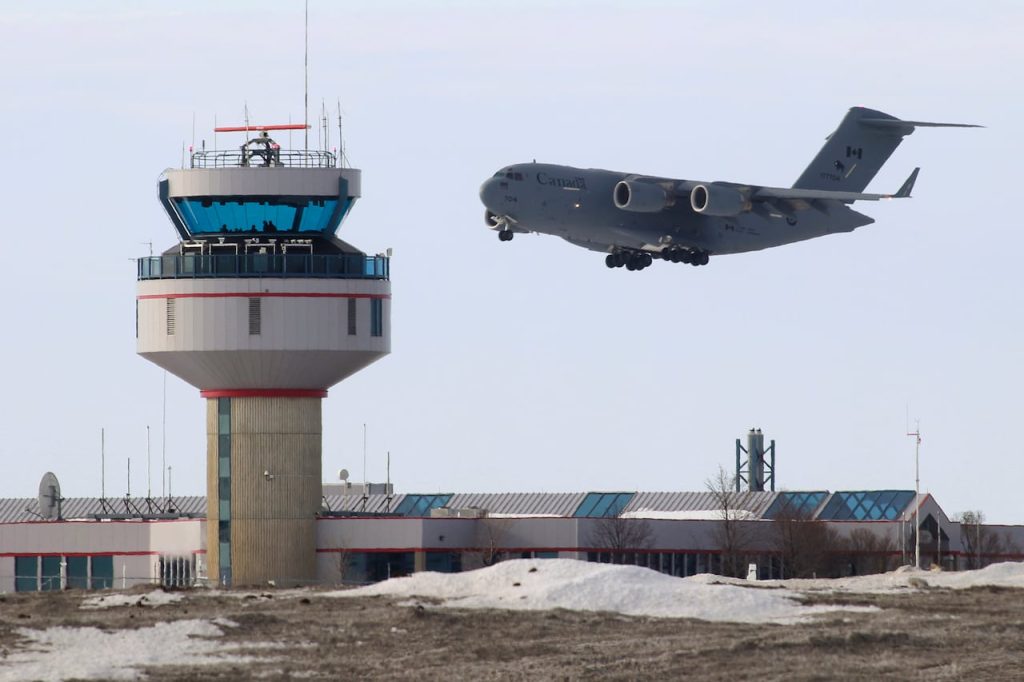
In a move that underscores the enduring security partnership between North American neighbors, the U.S. State Department officially approved a potential $540 million Foreign Military Sale (FMS) to Canada in May 2026. This critical agreement is designed to provide essential sustainment services, maintenance support, and equipment modifications for the Royal Canadian Air Force’s (RCAF) fleet of C-17 Globemaster III transport aircraft.
As Canada looks toward the future of its strategic airlift capabilities, this deal ensures that its heavy-lift backbone remains mission-ready. With Boeing tapped as the principal contractor, the agreement highlights the seamless integration of Canadian operational requirements with the robust industrial expertise of the United States.
Why the C-17 Sustainment Package Matters in 2026
The C-17 Globemaster III is more than just a cargo plane; it is a vital instrument of national policy. For Canada, these aircraft are the workhorses of the RCAF, operating out of 8 Wing Trenton in Ontario. Since the fleet began entering service in 2007, these planes have been instrumental in everything from rapid troop deployment and equipment transport to time-sensitive humanitarian aid missions across the globe.
Ensuring Operational Readiness
By 2026, Canada’s fleet of five C-17s has logged nearly two decades of intensive service. Maintaining such complex machinery requires a consistent pipeline of parts, software updates, and engineering support. The State Department’s approval (Transmittal # 26-44) covers:
Major and minor aircraft modifications to keep the avionics and airframes current.
Comprehensive maintenance support to reduce downtime.
Logistical assistance to ensure the fleet can meet modern threat environments.
This sustainment package is not merely an optional upgrade; it is a necessity to ensure that the RCAF can continue to support both domestic operations and NATO-led coalition efforts.
The Strategic Partnership: Canada and the U.S.
The U.S. State Department explicitly noted that this transaction is mutually beneficial. By enhancing the military capabilities of a key NATO ally, the United States strengthens the overall security architecture of the North American continent and beyond.
A Seamless Integration
Canada already maintains a well-oiled infrastructure for its C-17s. The State Department emphasized that the Canadian Armed Forces will have “no difficulty absorbing these articles and services into its armed forces.” This existing expertise allows for a rapid transition from the procurement phase to active implementation, ensuring that the impact on operational readiness is immediate.
Boeing’s Role in Global Logistics
Boeing, headquartered in Arlington, Virginia, remains the primary contractor for this deal. Given Boeing’s extensive history with the C-17 program—having manufactured the aircraft for the U.S. Air Force and various international partners—they are uniquely positioned to provide the specialized support required. This contract is part of a larger global effort, as Boeing continues to provide logistics and sustainment for C-17 fleets operated by nations such as Australia, India, Kuwait, Qatar, and the United Arab Emirates.
The Multi-Step Approval Process
In the world of international defense, a “potential sale” is the first major hurdle. The announcement by the State Department serves as a notification to the U.S. Congress, initiating a legislative review period.
- Determination: The State Department evaluates the geopolitical implications and the technical necessity of the request.
- Congressional Notification: Lawmakers are informed of the details to ensure transparency and alignment with U.S. foreign policy.
- Finalization: Once the review period concludes and terms are finalized, the contract moves into the execution phase, where specific maintenance schedules are established.
Looking Ahead: The Future of Strategic Airlift
As the geopolitical climate grows increasingly complex in 2026, the ability to project power and deliver aid rapidly is a defining characteristic of a modern military. Canada’s investment in its C-17 fleet demonstrates a commitment to maintaining a credible, capable, and agile air force.
Sustaining Capabilities for the Next Decade
The $540 million investment will likely extend the life and efficiency of the RCAF’s heavy-lift assets well into the 2030s. By keeping these aircraft in the air, Canada ensures it can continue to:
Respond to natural disasters with the speed required for effective humanitarian relief.
Support NATO exercises that deter aggression and promote regional stability.
Maintain independent airlift capabilities for national sovereignty and international commitments.
Conclusion
The approval of this $540 million sustainment package is a testament to the strength of the U.S.-Canada defense relationship. By prioritizing the operational readiness of the C-17 fleet, both nations are investing in a future where global security is supported by robust, reliable, and rapidly deployable logistics. For the Royal Canadian Air Force, this deal is the key to maintaining their status as a premier strategic partner on the world stage.
As the program moves forward under Boeing’s guidance, it will serve as a benchmark for how allied nations can collaborate to maintain aging yet vital military hardware, ensuring that the “Globemaster” remains a symbol of strength and support for years to come.