The Evolving Threat: Why Canada’s Security Landscape is Becoming Increasingly Unpredictable in 2026

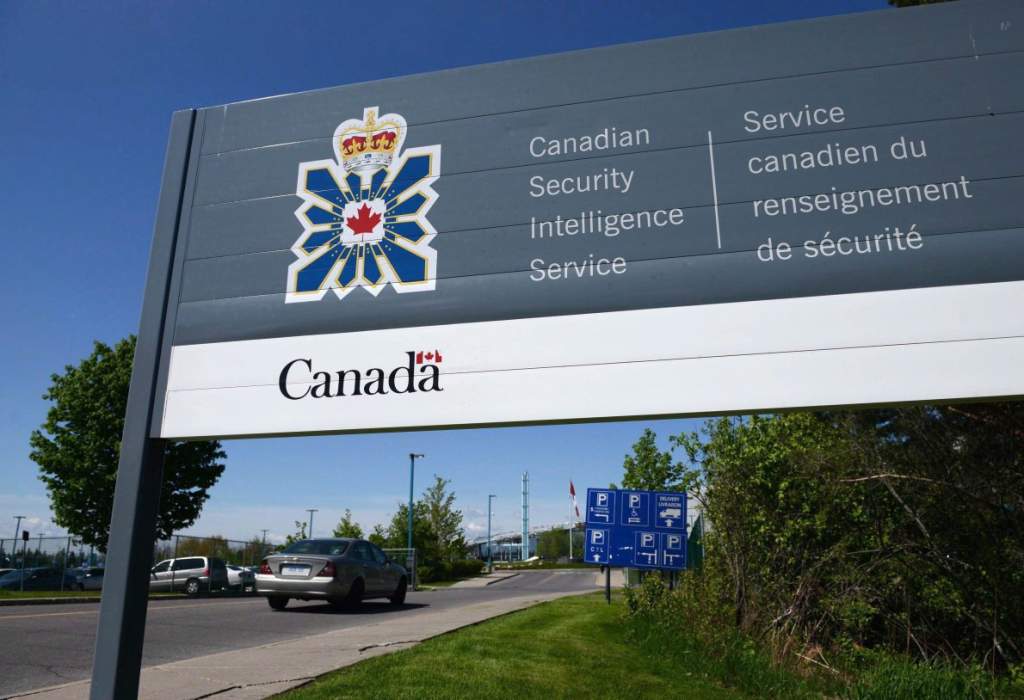
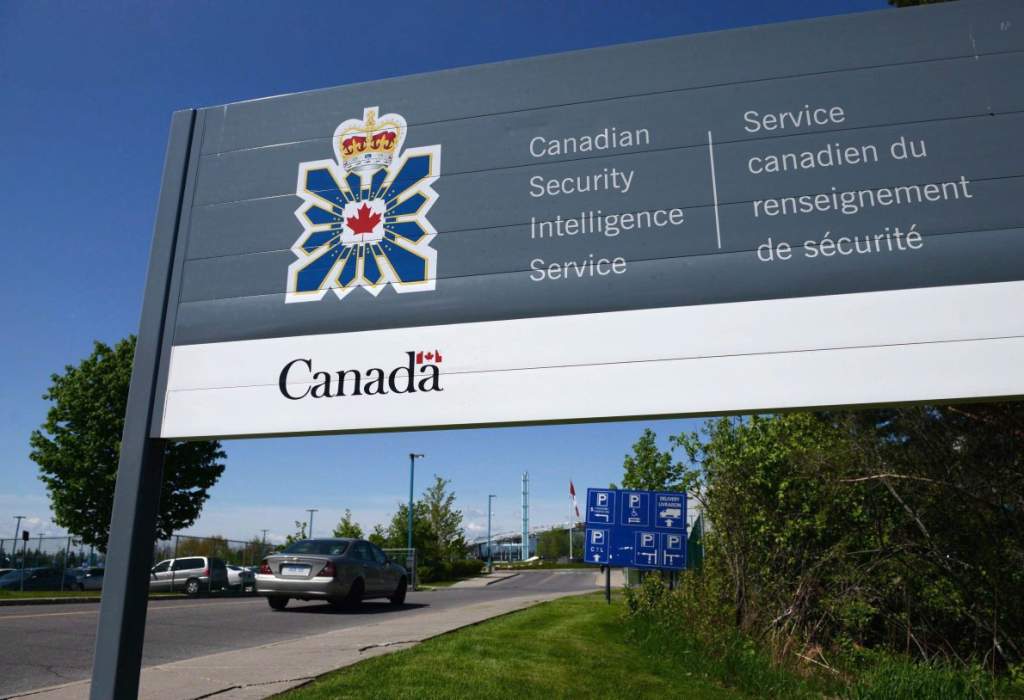
The Canadian security landscape has entered a period of profound volatility. According to the latest annual reports from the Canadian Security and Intelligence Service (CSIS), the nature of violent extremism in Canada is no longer a static threat—it is a fluid, chaotic, and increasingly decentralized phenomenon. As we move through 2026, the agency warns that the traditional frameworks used to identify and counter radicalization are being outpaced by a “salad bar” of conflicting beliefs, anonymous online interactions, and a growing obsession with the mechanics of violence over ideological purity.
For Canadians, this shift represents more than just a change in terminology; it signifies a fundamental transformation in how national security threats manifest within our communities.
The “Salad Bar” of Extremism: A Shift in Radicalization
Historically, intelligence agencies could categorize extremist threats into neat, ideological buckets. Today, CSIS reports that these lines have blurred into a hybridized, personalized worldview. Individuals are no longer subscribing to a single manifesto; instead, they are curating a mix of grievances—ranging from anti-liberal sentiment to radical religious interpretations—to justify their mobilization toward violence.
Why Complexity is the New Normal
The “salad bar” approach to radicalization makes early intervention exceptionally difficult. When an individual’s worldview is a bespoke collection of disparate conspiracy theories and localized grievances, there is no single “profile” for a radicalized person. This complexity creates a significant intelligence gap, as investigators struggle to predict the next target when the motivation itself is constantly in flux.
Diverse Belief Systems: The rise of “nihilistic violent extremism,” where youth are driven by a desire for pure chaos rather than political gain, has added a layer of unpredictability.
The “How” Over the “Why”: CSIS has noted that across various extremist groups, there is a shared interest in attack manuals and gore sites. The focus has shifted from ideological debate to the tactical execution of violence.
- Demographic Shifts: Recent data indicates that radicalization is no longer confined to the youth; there has been a notable uptick in suspects aged 48 and older, complicating traditional outreach and prevention strategies.
The Digital Echo Chamber: Anonymity and Proliferation
The internet remains the primary battleground for national security. While social media platforms have implemented stricter moderation, extremist content has migrated to encrypted, decentralized, and anonymous spaces. This migration allows radicalizing content to flourish without the scrutiny of mainstream digital oversight.
The Role of Foreign Disinformation
It isn’t just domestic radicalization that keeps analysts up at night. Foreign state actors, including Russia, China, Iran, and India, are actively exploiting Canada’s internal social divisions. By amplifying polarizing content, these actors create an environment where radicalization becomes a natural byproduct of social instability.
The Senate’s recent warnings regarding Russian disinformation highlight that Canada is lagging in its ability to counter AI-driven narrative manipulation. When foreign adversaries use sophisticated algorithms to push anti-government or anti-community rhetoric, they aren’t just interfering in politics—they are fueling the very fires that lead to domestic extremism.
Geopolitical Tensions and the Gaza Conflict
The aftermath of the October 7, 2023, attack on Israel has had a tangible, lasting impact on Canada’s internal security. CSIS reports that this conflict has acted as a primary catalyst for mobilization in several priority investigations throughout 2025 and 2026.
The rise in antisemitism and Islamophobia has reached a point where community safety is a constant concern for law enforcement. While the agency has successfully foiled multiple plots targeting Jewish communities, the broader climate of hatred remains a critical operational priority. The challenge for CSIS is to maintain neutrality while protecting vulnerable populations from the spillover effects of international conflicts.
The Arctic and Emerging Security Frontiers
As the world’s climate changes, the Canadian Arctic has transitioned from a remote frontier to a vital geopolitical stage. CSIS has identified that foreign states are increasingly using scientific and commercial operations as a “cover” for intelligence-gathering activities.
Protecting Critical Infrastructure
The threat to the Arctic is not just military; it is economic and technological. Hostile actors are eyeing Canada’s advancements in:
- Quantum Computing: Protecting the integrity of Canada’s future data networks.
- Artificial Intelligence: Securing Canadian innovation from state-sponsored intellectual property theft.
- Critical Mineral Infrastructure: Ensuring that foreign investment does not equate to foreign control over essential resources.
The Future of Counter-Radicalization
Addressing these challenges requires a paradigm shift. We can no longer rely on reactive policing; we need a holistic, whole-of-society approach. CSIS, in partnership with the RCMP and international “Five Eyes” allies, is moving toward a more collaborative framework. However, the agency acknowledges that the speed of technological evolution often outstrips the speed of policy implementation.
The focus in 2026 is on threat awareness and resilience. By educating the public on how to identify the signs of radicalization—particularly among youth who are targeted by nihilistic cults—the government hopes to build a firewall against the chaotic narratives currently flooding the digital space.
Conclusion: A Call for Vigilance
The 2026 CSIS reports paint a picture of a nation at a crossroads. Violent extremism is no longer an “us vs. them” scenario; it is a multifaceted threat that feeds on polarization, foreign interference, and the loss of shared purpose. As Canada navigates these complex waters, the role of intelligence, community resilience, and digital literacy has never been more critical.
While the threats are becoming more complex, the goal remains the same: protecting the sovereignty of Canada and the safety of its citizens in an increasingly unpredictable world.