Tragedy at Mount Dukono: Two Singaporean Hikers Die in Forbidden Volcanic Zone

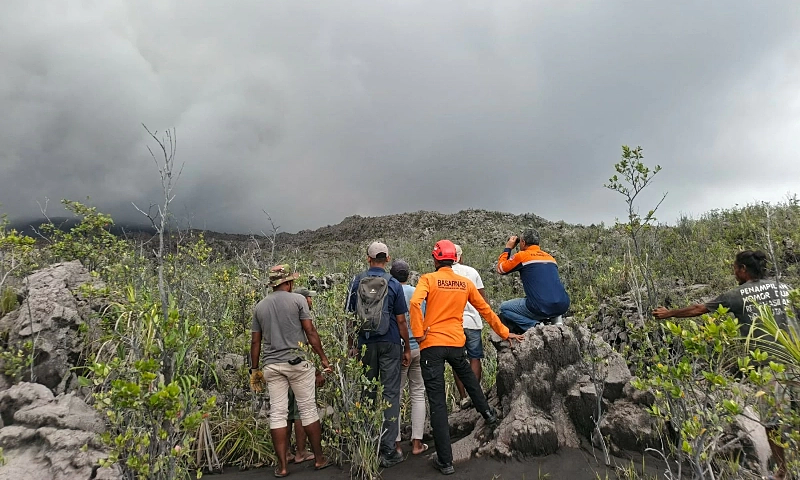
The allure of Indonesia’s untamed landscapes has long drawn adventurers from across the globe, but a recent, devastating incident at Mount Dukono has served as a grim reminder of the lethal power of the Pacific “Ring of Fire.” In a tragic turn of events that has sent shockwaves through the Southeast Asian travel community, two Singaporean tourists were confirmed dead following a violent eruption on Halmahera Island.
This avoidable catastrophe highlights the growing tension between the rise of “adventure tourism” fueled by social media and the strict safety protocols enforced by geological authorities. As of 2026, this incident remains one of the most significant reminders of why respecting exclusion zones in volcanic regions is not merely a suggestion, but a matter of life and death.
The Eruption: A Suddenly Active Crater
On the morning of the incident, Mount Dukono—a volcano long monitored for its seismic volatility—experienced a massive eruption that sent a column of ash and volcanic debris soaring 10 kilometers (6.2 miles) into the atmosphere.

For the 20 hikers caught on the slopes, the day began with an eerie silence that local guides described as “strange.” The volcano, which had been under a level-two alert status, suddenly surged, releasing a sustained blast of pressure that caught two separate groups of tourists directly at the crater rim.
The Anatomy of the Disaster
The No-Go Zone: The hikers were positioned within a restricted area, despite clear signage and warnings from the Center for Volcanology and Geological Hazard Mitigation (PVMBG) to stay at least four kilometers away from the Malupang Warirang Crater.
The Human Toll: Among the 20 hikers on the mountain, three lives were lost: two Singaporean nationals and one local Indonesian.
The Rescue Operation: While 17 climbers, including several other foreign nationals, were eventually located and rescued, the recovery of the deceased was delayed significantly due to the ongoing volcanic activity, which rendered the terrain far too dangerous for emergency teams.
The “Social Media Content” Phenomenon
One of the most troubling aspects of this tragedy is the motivation behind the hikers’ presence in the prohibited zone. Local officials, including North Halmahera police chief Erlichson Pasaribu, have pointed to a recurring issue: the desire to capture “viral” content for social media platforms.
“Many hikers are foreign tourists who wish to create social media content,” Pasaribu noted during a press briefing. Despite the well-documented risks and the existence of warning signs at the trail entrance, the lure of the “perfect shot” at the edge of an active crater appears to have overridden standard safety instincts.
The Perils of Adventure Tourism
In the age of Instagram and TikTok, the “off-the-beaten-path” experience has become a commodity. However, when that path leads into a restricted volcanic zone, the consequences are catastrophic. The incident at Mount Dukono serves as a stark case study in the dangers of prioritizing engagement over personal safety.
Geological Context: Why Mount Dukono is Dangerous
Indonesia is home to nearly 130 active volcanoes, situated atop the volatile Pacific Ring of Fire. Mount Dukono, specifically, is a complex volcano that does not always provide the typical warning signs of a massive explosion.
Understanding Alert Levels
The Indonesian government utilizes a four-tiered alert system to manage public safety around these geological giants.
- Level 1 (Normal): Volcano is under observation.
- Level 2 (Waspada/Alert): Increased seismic activity; residents and tourists are warned to stay away from the crater.
- Level 3 (Siaga/Standby): Increased possibility of eruption.
- Level 4 (Awas/Caution): Imminent eruption; immediate evacuation required.
At the time of the tragedy, Mount Dukono was at Level 2. While this is not the highest alert level, it is significant enough to warrant a total ban on crater access. The eruption proved that even at lower alert levels, a volcano can transition from “quiet” to “deadly” in a matter of seconds.
Legal and Ethical Implications
Following the incident, the local authorities have taken a hardline stance. The tour guide and the porter who facilitated the group’s ascent into the prohibited area are currently facing potential criminal charges. This sets a legal precedent: if you facilitate illegal access to a dangerous site, you are held accountable for the outcome.
Stricter Monitoring in 2026
In the wake of the tragedy, the North Halmahera police have announced a new, more aggressive strategy to prevent future loss of life:
Strict Access Control: Police posts will be established at all known entry points to the volcano.
Zero-Tolerance Policy: Hiking is strictly prohibited as long as the volcano remains at Level 2 or higher.
Community Involvement: Local residents, who have long understood the volatility of the mountain, are being empowered to report unauthorized groups attempting to breach safety cordons.
Lessons for Future Travelers
For those who enjoy adventure travel in Indonesia or elsewhere, this tragedy provides several vital takeaways:
- Respect the Signage: Warning signs are not suggestions. They are placed there by geologists who monitor seismic data 24/7.
- Verify Your Guide: Ensure that your tour operator is licensed and adheres to local safety regulations. A responsible guide will never take you into a “no-go” zone.
- Don’t Chase the “Viral” Shot: No photo or video is worth your life. The pressure to create content should never compromise your judgment.
- Understand the Environment: If you are traveling to a country with high volcanic activity, research the local alert systems before you arrive.
The Path Forward
The loss of the two Singaporean hikers is a tragedy that has left families heartbroken and a community in mourning. While the natural beauty of Indonesia is undeniable, it is a landscape that demands respect.
As we look toward the future of tourism in 2026, the focus must shift from “access at all costs” to “safety-first exploration.” The disaster at Mount Dukono is a sobering reminder that nature is indifferent to our plans, our cameras, and our desire for adventure. By adhering to official guidelines and prioritizing common sense, travelers can continue to enjoy the wonders of the world without becoming another statistic in the history of the Ring of Fire.
Summary of Key Findings
Location: Mount Dukono, Halmahera Island, Indonesia.
Casualties: 3 total (2 Singaporeans, 1 local).
Cause: Eruption occurred while in a restricted, prohibited zone.
Status: Authorities are pursuing legal action against guides who bypassed safety protocols.
- Safety Advice: Always follow local geological hazard warnings and stay outside of restricted radii.