Tenerife Hantavirus Crisis: WHO Chief Urges Calm as MV Hondius Arrival Looms

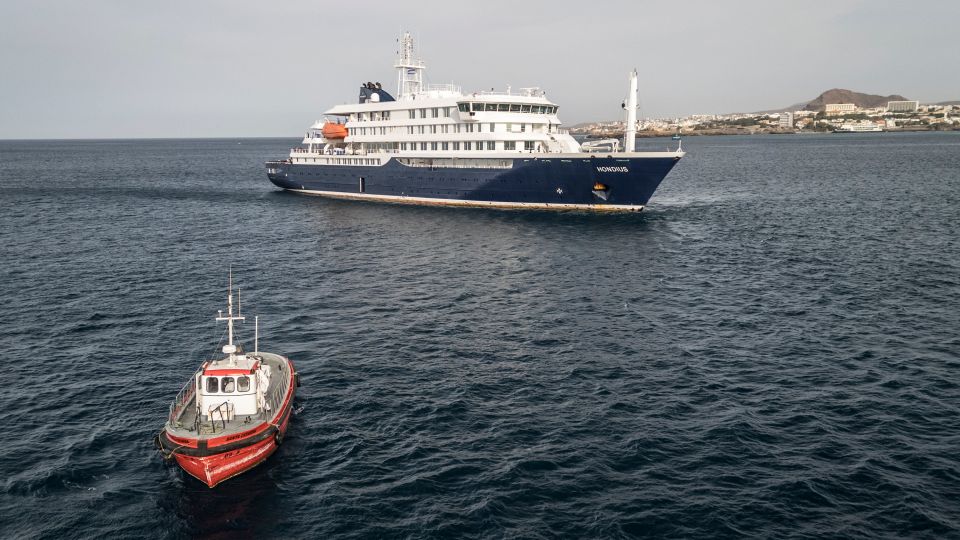
The tranquil shores of Tenerife are currently the focus of a high-stakes international public health operation. As the cruise ship MV Hondius approaches the Canary Islands this Sunday, the atmosphere among local residents is one of palpable anxiety. Following reports of three tragic deaths linked to a hantavirus outbreak on board, the global community is watching closely to see how Spanish authorities and international health agencies manage the containment.
World Health Organization (WHO) Director-General Tedros Adhanom Ghebreyesus has taken the rare step of issuing a direct, personal plea to the people of Tenerife. In a formal address, he sought to dispel fears and emphasize that the current situation, while serious, is strictly contained and represents a negligible risk to the general public.
Why the WHO Says This is “Not Another COVID-19”
A primary concern among the residents of Tenerife is the fear of a repeat of the 2020 global pandemic. However, health experts are working overtime to distinguish the Andes variant of the hantavirus from respiratory viruses like SARS-CoV-2.
The WHO chief has been categorical in his assessment: the hantavirus is primarily transmitted through contact with rodent droppings or infected materials, not through casual airborne transmission in the way COVID-19 was. Because the mode of transmission is significantly different, the public health risk remains low for the local population, provided that strict protocols are followed.
Understanding the Hantavirus Risks
Hantaviruses are a family of viruses spread mainly by rodents. While the symptoms can be severe—often leading to Hantavirus Pulmonary Syndrome (HPS)—the virus does not spread easily from person to person.
Transmission: Direct contact with rodent urine, feces, or saliva.
Containment: Because the virus is not highly contagious between humans, the “sealed, guarded vehicle” transit plan essentially eliminates the risk of exposure to the general public.
- Medical Preparedness: Spain has mobilized its military hospital infrastructure to ensure that anyone showing symptoms is immediately isolated and monitored under rigorous conditions.
The Logistics of the Operation: A Step-by-Step Plan
The arrival at the port of Granadilla is being treated as a logistical masterpiece of biosafety. Spanish authorities, in coordination with the WHO and the US Centers for Disease Control and Prevention (CDC), have designed a “step-by-step” plan to ensure zero contact between passengers and the local community.
Ensuring Zero Community Contact
The plan dictates that passengers will be moved directly from the ship to specialized, sealed transport vehicles. These vehicles will be guarded, ensuring that no unauthorized personnel or members of the public can interact with the passengers. From the port, they will be transported directly to quarantine facilities or, in the case of foreign nationals, to repatriation aircraft.
The WHO chief specifically noted that Tenerife was selected for this mission due to its robust infrastructure and medical capacity. By choosing a location with the necessary resources, the international community aims to provide a safe harbor for the victims while maintaining the integrity of the island’s public health.
International Cooperation and US Repatriation
The United States has mobilized its own resources to assist in the repatriation of its citizens currently aboard the MV Hondius. The CDC is dispatching teams of epidemiologists and medical professionals to conduct risk assessments for every American passenger upon arrival.
The Nebraska Connection
For the 17 American passengers, the journey does not end in Tenerife. They are slated to be transported back to the United States on a charter aircraft equipped with a biocontainment unit. Upon arrival in the US, they will be taken to the University of Nebraska Medical Center, which houses the National Quarantine Unit.
“We are prepared for situations exactly like this,” stated Dr. Michael Ash, CEO of Nebraska Medicine. The facility is one of the few in the world specifically designed to handle high-consequence infectious diseases, ensuring that the return of these passengers is managed with the highest possible level of safety.
Addressing Local Tensions and Weather Challenges
Despite the reassurances from the WHO, the situation has not been without friction. Local leaders, including the head of the Canary Islands, Fernando Clavijo, initially voiced strong opposition to the ship docking. Furthermore, port workers staged protests on Friday, citing a lack of transparent communication regarding the safety protocols in place.
The Race Against the Weather
Adding to the complexity of the operation is the looming threat of bad weather. Regional government officials have warned that the evacuation must be completed swiftly. Forecasts indicate that while the weekend remains favorable for maritime operations, conditions are expected to deteriorate by Tuesday. Strong winds and choppy waves could jeopardize the safety of the small inflatable boats used to ferry passengers to shore, making the timeline for this operation critical.
A Moral Duty in a Globalized World
The decision by Spain to host the MV Hondius has been framed by the WHO as an “act of solidarity and moral duty.” In an increasingly interconnected world, the ability of nations to collaborate on medical emergencies is a testament to global stability.
While the anxiety of the Tenerife residents is understandable, the level of scrutiny and the precision of the containment protocols suggest that this situation is being handled with the utmost care. The WHO Chief’s plan to visit the island personally to observe the operation and pay his respects to the local community signifies the importance the global health community places on this mission.
Conclusion: Vigilance Without Panic
As the MV Hondius prepares to dock, the primary takeaway is that this is a controlled, highly monitored, and temporary event. By utilizing state-of-the-art biocontainment protocols and maintaining a clear, transparent line of communication with the public, authorities are effectively mitigating the risk.
The incident serves as a reminder of the importance of global health preparedness. While the hantavirus is a serious pathogen, the swift response from the CDC, the WHO, and the Spanish government demonstrates that modern science and international cooperation are the most effective tools we have in preventing local outbreaks from becoming global crises. For the residents of Tenerife, the message is clear: the safety of their homes is the top priority, and the international community is committed to upholding that standard.