Holyrood Election 2026: Everything You Need to Know as Scotland Heads to the Polls

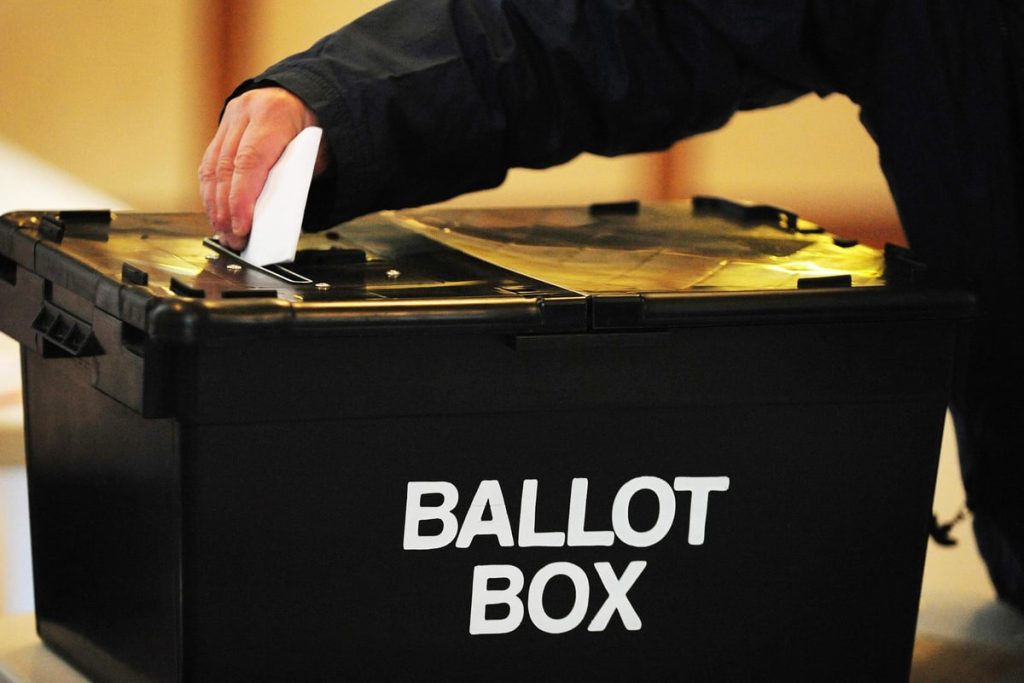
The wait is finally over. On Thursday, May 7, 2026, millions of Scots will head to the ballot box to determine the composition of the seventh Scottish Parliament. With 129 MSPs to be elected across local constituencies and regional lists, the outcome of this Holyrood election will set the legislative agenda for the next five years. As the dust settles on a grueling six-week campaign, voters are faced with a political landscape that looks significantly different from previous cycles.
This election is being viewed as a defining moment for Scotland’s future. From the cost-of-living crisis and NHS reform to the ongoing debate surrounding independence, the stakes could not be higher. As polling stations open their doors at 7am and prepare to close at 10pm, the atmosphere across the nation is one of intense anticipation.
The Mechanics of the Vote: What to Expect
Unlike the fast-paced overnight counts of the past, this year’s electoral process will follow a more measured approach. Following the precedent set in 2021, votes will not be counted overnight. Instead, ballot boxes will be secured, and the formal counting process will commence on Friday, May 8.
Key Timings and Process
Polling Hours: Stations are open from 7:00 AM to 10:00 PM on Thursday, May 7.
Counting: Verification and counting will take place throughout Friday, May 8.
Results: The final results for all 129 seats are expected to be declared by late evening on Friday.
Voters will use the Additional Member System (AMS), where they cast two votes: one for their local constituency representative and one for a regional list candidate. This system is designed to provide a more proportional outcome, though it frequently results in minority governments, a scenario that seems highly likely given current polling data.
The SNP’s Bid for a Fifth Term
First Minister John Swinney has led the Scottish National Party (SNP) through a challenging campaign, positioning the party as the only force capable of delivering a “fresh start.” Despite facing immense pressure, the SNP remains the frontrunner in most 2026 Scottish election polls.
Swinney’s rhetoric has been focused on three pillars: tackling the cost of living, securing a mandate for a second independence referendum, and ensuring that Westminster remains held to account. By calling for a strong majority, Swinney hopes to bypass the need for coalition negotiations, though current projections suggest that an outright majority remains a steep hill to climb.
The Independence Factor
For the SNP, this election is not just about domestic policy; it is a strategic maneuver to apply pressure on the UK government. Swinney has explicitly framed the vote as an opportunity for Scotland to choose its own path. Whether the electorate agrees with this vision remains the central question of the day.
The Rise of Reform UK and the Shifting Opposition
Perhaps the most significant development in the 2026 cycle is the emergence of Reform UK as a serious electoral force in Scotland. Polling consistently suggests that the party could secure over a dozen seats, potentially disrupting the traditional dominance of the Scottish Conservatives and Labour.
A Three-Way Battle for Second Place
The battle for second place is arguably the most intriguing subplot of this election.
- Scottish Labour: Under Anas Sarwar, Labour has sought to distance itself from the UK party leadership following the high-profile fallout with Sir Keir Starmer earlier this year. Despite internal turbulence, Labour remains a contender for second place, though they face stiff competition.
- Scottish Conservatives: Historically the second-largest party for the past decade, the Tories are currently projected to lose ground. With Russell Findlay at the helm, the party is fighting to maintain its influence against a surging Reform UK and a resurgent Liberal Democrat presence.
- Reform UK: Lord Malcolm Offord’s party is looking to capitalize on voter frustration. Their focus on tax cuts and a departure from the status quo has clearly resonated with a segment of the electorate that feels ignored by the traditional political establishment.
The Greens and the Lib Dems: The Kingmakers?
The Scottish Greens and the Liberal Democrats are both poised to play pivotal roles in the next Parliament. The Greens, in particular, are riding a wave of momentum, with some projections suggesting they may secure their first-ever constituency seat—a milestone that would fundamentally change their standing in Holyrood.
Gillian Mackay, co-leader of the Scottish Greens, has framed her party’s platform as a rejection of the “hatred and division” she associates with Reform UK. Their campaign has centered on progressive taxation to fund universal services, such as free bus travel, appealing to younger voters and those concerned about the climate crisis.
Meanwhile, the Liberal Democrats have kept their focus laser-sharp on the NHS and social care. By prioritizing the health service, they are attempting to capture the “middle ground” voter who is dissatisfied with the SNP’s management of public services but remains wary of the larger parties.
Key Issues Dominating the 2026 Campaign
Every election is defined by the issues that resonate on the doorstep. This year, the debate has been dominated by a few critical areas:
Cost of Living: Every party has offered a solution, ranging from the SNP’s proposed cap on bus fares and supermarket essentials to the tax-cutting agendas of the Conservatives and Reform UK.
Economic Strategy: Anas Sarwar has argued that Scottish Labour is the only party with a credible plan to kickstart the economy, a necessary precursor to any sustainable tax relief.
Public Services: The state of the NHS continues to be a primary concern for voters, with the Lib Dems positioning themselves as the champions of healthcare reform.
The “Undecided” Factor
One of the most critical takeaways from the final days of the campaign is the high number of undecided voters. Recent data from Ipsos Scotland indicates that as many as one in four voters could still change their mind as they walk toward the ballot box.
This volatility suggests that the final results may contain surprises. While the SNP is almost certain to form the next government, the exact margin of their victory—and the distribution of seats among the opposition parties—remains highly fluid. The “crunch” nature of this election means that every constituency vote counts, and the regional list results could provide the margins that determine who holds the balance of power.
Why This Election Matters
The 2026 Holyrood election is more than just a routine poll. It represents a crossroads for Scotland. Over the next five years, the winning administration will have to navigate the complexities of a post-industrial economy, a shifting relationship with Westminster, and the evolving needs of a diverse population.
For the SNP, it is a test of their endurance after nearly two decades in power. For Labour, it is an opportunity to reclaim their relevance. For the Conservatives, it is a battle for survival. And for the smaller parties, it is a chance to exert influence that far outweighs their seat count.
As voters across Scotland cast their ballots, they are not just choosing representatives; they are choosing the direction of the country for the remainder of the decade. The results on Friday will provide the answer, but the consequences will be felt long after the ballots are counted.
Conclusion
As we look toward the results on Friday evening, the message from the campaign trail is clear: the Scottish public is engaged, divided, and ready to make a choice. Whether this election leads to a stable minority government or a period of intense parliamentary negotiation, the outcome will define the next chapter of Scotland’s political story.
Stay tuned to our live coverage throughout Friday for the latest results, seat-by-seat analysis, and expert commentary as the new Scottish Parliament takes shape.