Bank of England Holds Rates at 3.75%: Why Inflation Could Surge Above 6% in 2026

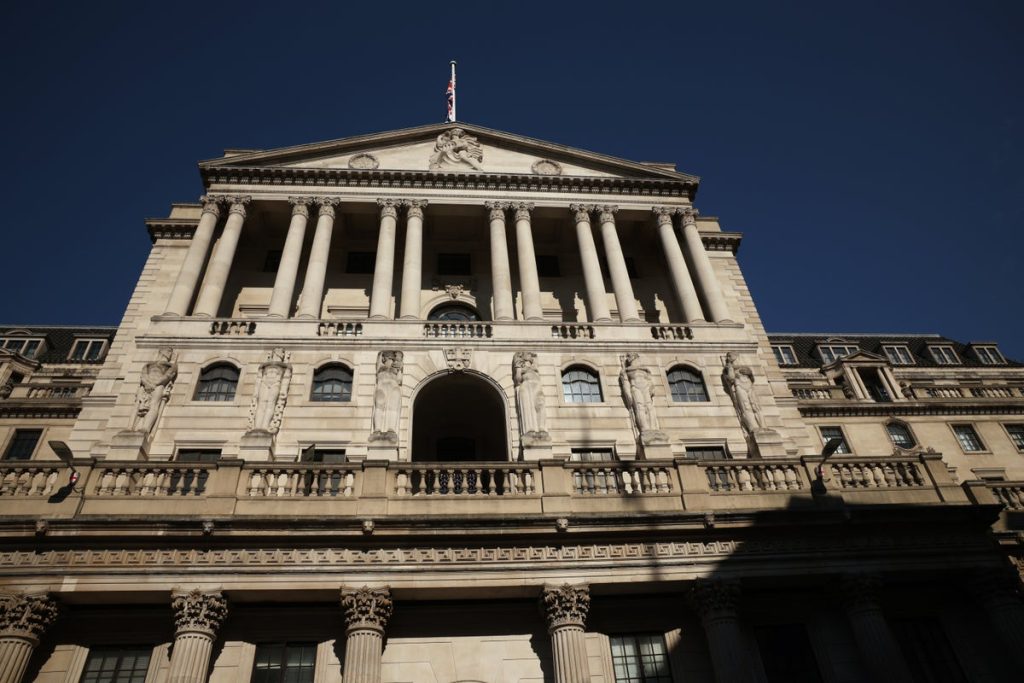
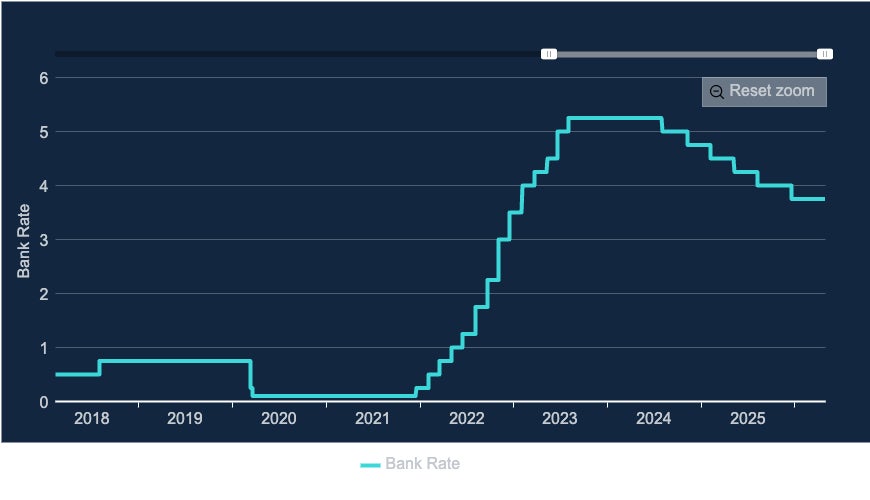
The UK economic landscape has reached a precarious turning point. In its latest monetary policy decision, the Bank of England (BoE) opted to hold the Official Bank Rate at 3.75%, choosing to pause the downward trajectory that had brought optimism to households and businesses earlier this year. This decision means that UK interest rates held – but BoE warns inflation could surge above 6% as the year progresses, a stern warning from the Monetary Policy Committee (MPC), especially concerning given the BoE’s 2% inflation target.
The primary catalyst for this shift is the ongoing conflict in the Middle East, specifically the war involving Iran, which has effectively shuttered the Strait of Hormuz to oil tankers. With global energy costs becoming increasingly volatile, exacerbating existing supply chain pressures, the prospect of a sustained inflationary spike has forced the Bank to abandon plans for further rate cuts, leaving the nation in a state of high-stakes economic uncertainty, particularly given the recent announcement that UK interest rates held – but BoE warns inflation could surge above 6%.
The Geopolitical Trigger: Why Energy Prices Are Driving Inflation
The primary driver behind the BoE’s hawkish tone is the energy shock rippling through the global economy. As crude oil prices climb to multi-year highs, the cost of manufacturing, logistics, and household heating is rising in tandem.
For the average consumer, this means that the “cost of living crisis” is far from over, significantly impacting household budgets and the purchasing power of real wages. The BoE’s latest economic forecasts suggest that higher energy bills are no longer a temporary fluctuation but a persistent challenge that will likely dominate the economic narrative for the remainder of 2026, reinforcing why UK interest rates held – but BoE warns inflation could surge above 6%. Because energy costs permeate every layer of the supply chain—from food production to transportation—the “headline” rate of inflation, measured by the Consumer Price Index (CPI), is expected to climb significantly from March’s 3.3% figure.
MPC Split: A Sign of Future Hikes?
While the vote to hold rates was 8-1, that single dissenting vote for an immediate rate hike is a significant signal. It suggests that the consensus for stability is fragile, especially in light of the central message that UK interest rates held – but BoE warns inflation could surge above 6%, potentially necessitating future periods of monetary tightening.
The Case for Stability: The MPC is wary of stifling an already underperforming economy. With UK unemployment rising to 5%, there is concern that aggressive rate hikes could trigger a deeper recession.
The Case for Hikes: The reality of the Iran conflict means the BoE may be forced to choose between managing inflation and protecting growth. If energy prices continue to defy expectations, the Bank has signaled it is prepared to raise rates to prevent inflation from becoming entrenched.
Political Fallout and Economic Strategy
The government’s response to this crisis, particularly the news that UK interest rates held – but BoE warns inflation could surge above 6%, has been a focal point of intense parliamentary debate. Chancellor Rachel Reeves has emphasized a strategy of “economic stability,” arguing that the current government inherited a challenging environment and is focused on backing British industry and protecting households through its fiscal policy measures.
Conversely, the opposition, led by Sir Mel Stride, has criticized the government’s energy policies, calling for increased North Sea drilling and a reduction in the tax burden to stimulate the economy. As these political factions clash, businesses—particularly Small and Medium Enterprises (SMEs)—are caught in the middle. According to the latest Xero Small Business Index, sales growth for SMEs has hit a two-year low, reflecting the cooling effect of current economic pressures.
What This Means for Your Finances
If you are a homeowner or a saver, the BoE’s decision to hold rates at 3.75% and the accompanying warning that UK interest rates held – but BoE warns inflation could surge above 6% presents a complex scenario.
Mortgage Holders: Expect Caution
While some mortgage lenders have reduced rates slightly in response to a temporary cooling of swap rates, the era of “cheap money” is effectively on hold. Financial markets are currently pricing in the possibility of up to three future interest rate hikes. Even if the BoE keeps the base rate steady, high-street banks often price their products based on market expectations, meaning mortgage deals are unlikely to see significant downward movement in the near term.
Savers: A Time to Shop Around
For those with cash reserves, the current environment is actually quite favorable. With several financial institutions offering savings accounts with returns well above 4%, now is the time to be proactive.
Avoid Long-Term Fixes: Financial experts, including Kate Steere of Finder, suggest avoiding long-term fixed deals for now.
Prioritize Easy Access: By utilizing top-tier easy-access accounts, you can keep your money liquid and take advantage of potential rate hikes in the coming months.
The Path Forward: Can We Avert a 6% Inflation Spike?
The Bank of England has noted that a “looser” labour market—characterized by higher unemployment—might act as a natural brake on inflation. As workers find themselves with less bargaining power for salary increases, firms may be better able to absorb some cost shocks without passing them on to consumers.
However, think tanks like the IPPR are urging the government to be more proactive, especially given that UK interest rates held – but BoE warns inflation could surge above 6%. Carsten Jung, associate director at the IPPR, has called for a temporary cap on energy costs to prevent the “second-round effects” of inflation. He argues that government intervention is often cheaper than the long-term cost of cleaning up a recession caused by persistent, high-interest rates.
Conclusion: Navigating 2026’s Economic Volatility
The decision to keep the base rate at 3.75% is a “wait and see” approach, but the warning that UK interest rates held – but BoE warns inflation could surge above 6% serves as a wake-up call for the UK economy. As the conflict in the Middle East continues to dictate the trajectory of global energy prices, households must prepare for a period of ongoing financial pressure.
Whether you are managing a small business, tracking your mortgage, or optimizing your savings, the key to navigating the remainder of 2026 is agility. Keep a close watch on the Bank of England’s future policy statements, and ensure your financial planning accounts for a world where energy and inflation remain highly unpredictable.