Saving the “Cocaine Hippos”: Anant Ambani’s Bold Proposal to Rescue Colombia’s Feral Population

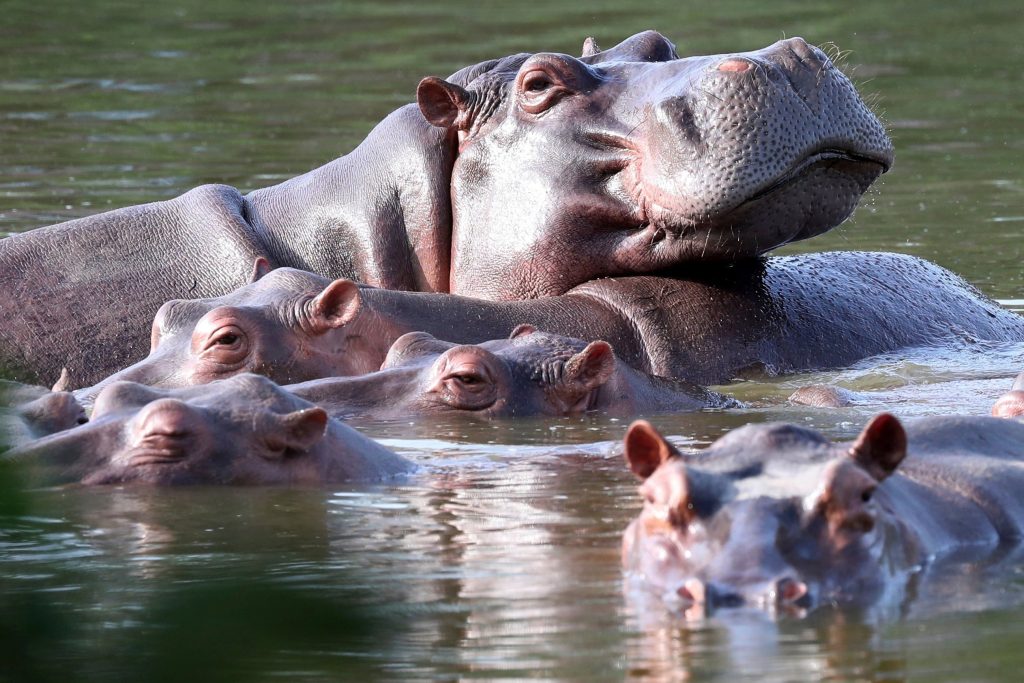
The story of the “cocaine hippos” is one of the most bizarre ecological legacies in modern history. Descended from a private menagerie established by the notorious drug kingpin Pablo Escobar in the 1980s, these massive creatures have thrived in the Magdalena River basin, growing from a handful of animals to an invasive population of over 200. As of 2026, the Colombian government faces a mounting crisis, having authorized the culling of 80 individuals to mitigate environmental damage and public safety risks.
However, a dramatic rescue mission has been proposed from thousands of miles away. Anant Ambani, the youngest son of Indian billionaire Mukesh Ambani, has officially offered to relocate these 80 hippos to his sprawling Vantara Animal Center in Gujarat, India. This proposal has sparked a global debate regarding invasive species management, ethical conservation, and the role of private wealth in wildlife protection.
The Crisis: Why Colombia Wants to Cull the Hippos
To understand the urgency of this situation, one must look at the environmental impact these animals have had on the Colombian landscape. When Escobar’s estate, Hacienda Nápoles, fell into disrepair following his death in 1993, the original four hippos escaped into the wild. Without natural predators like lions or crocodiles to keep their numbers in check, they began an unchecked breeding cycle.
Environmental and Social Impact
- Ecosystem Disruption: Hippos are ecosystem engineers, but in a non-native environment, they displace local species, such as the West Indian manatee and various aquatic birds.
- Water Pollution: The massive waste produced by these animals changes the nitrogen levels in the Magdalena River, negatively affecting fish populations that local communities rely on for sustenance.
- Public Safety: As the hippos have expanded their territory, human-wildlife conflict has become frequent. These territorial animals have caused significant property damage and represent a lethal threat to local villagers and fishermen.
The Colombian Ministry of Environment has argued that culling is the only viable solution to prevent a total ecological collapse in the region. However, the international outcry against the euthanasia of these animals has led to a search for alternative, albeit expensive, relocation solutions.
The Vantara Proposal: Can India Save the Hippos?
Anant Ambani’s offer to host the hippos at the Vantara Animal Center is not merely a philanthropic gesture; it is a massive logistical undertaking. The Vantara sanctuary, which spans 3,000 acres—roughly four times the size of Seoul’s Yeouido—is one of the most ambitious private animal conservation projects in the world.
The Ambani Vision
Ambani’s statement to the Colombian government was clear: “The 80 hippos did not choose where they were born, nor did they create the current situation they face.” This sentiment highlights a shift toward a more compassionate, albeit controversial, approach to invasive species management.
The proposal includes:
- Professional Logistics: Vantara has offered to oversee the entire veterinarian-led capture and transportation process.
- Lifelong Care: The center promises a permanent habitat designed to mimic the hippos’ natural environment while keeping them contained to prevent further ecological damage.
- Collective Responsibility: The core philosophy provided by the center emphasizes the belief that all life is precious and that humans share a moral duty to prevent unnecessary death.
Challenges and Controversies
Despite the noble intent, the plan faces significant hurdles. Critics and international conservation groups have raised valid concerns about the feasibility and ethics of moving 80 hippos over 12,000 nautical miles.
Logistical and Ethical Hurdles
- The Cost of Transport: A $4 million rescue mission is a staggering figure. Moving animals of this size requires specialized, pressurized, and temperature-controlled shipping containers, along with constant veterinary monitoring.
- The “Private Zoo” Allegations: Vantara has previously faced scrutiny regarding its operations. While the Indian Supreme Court eventually cleared the facility of wrongdoing following investigations into alleged illegal imports and animal abuse, skepticism remains among global wildlife advocates.
- Ecological Risks: Some experts argue that moving an invasive species from one continent to another is a “band-aid” solution that does not address the root problem of why these animals were introduced in the first place.
The Broader Impact: Wildlife Conservation in 2026
The “Cocaine Hippo” saga is a microcosm of the challenges facing wildlife management in the 21st century. As climate change and habitat loss force animals into new territories, the line between “native” and “invasive” is becoming increasingly blurred.
The involvement of a private billionaire in such a high-stakes government decision raises questions about the privatization of wildlife management. If the Colombian government accepts the Ambani proposal, it could set a precedent for future rescue missions funded by the private sector. Conversely, if they proceed with the cull, it will likely serve as a harsh reminder of the realities of balancing biodiversity protection with the consequences of human error.
Why This Matters
- Precedent Setting: If successful, this could be the largest wildlife relocation project in history.
- Global Awareness: The plight of these hippos has brought international attention to the Magdalena River basin’s ecological health.
- Ethical Evolution: The debate forces society to confront the uncomfortable reality that sometimes, human intervention caused the problem, and human intervention—whether lethal or restorative—is the only way to fix it.
Conclusion
As of 2026, the fate of the 80 hippos remains in limbo. The Colombian government is currently weighing the logistical complexity of the Vantara proposal against the immediate need for environmental remediation. Anant Ambani’s offer represents a rare intersection of extreme wealth and animal advocacy. Whether or not the hippos find a new home in the lush landscapes of Gujarat, the conversation surrounding their future has permanently changed the way we view invasive species and the responsibility we hold for the animals caught in the crosshairs of human history.
For now, the world watches to see if the “Cocaine Hippos” will be the first of their kind to be saved by a billionaire’s dream or if they will remain a testament to the irreversible consequences of Pablo Escobar’s vanity.