Timmy the Humpback: The Extraordinary Rescue Mission That Captivated the World

The global maritime community recently held its collective breath as one of the most ambitious wildlife rescue operations in recent history reached its climax. “Timmy,” the young humpback whale whose plight turned the coastal city of Wismar into the unlikely epicenter of international attention, has finally been returned to the open waters of the North Sea. After weeks of distress, multiple strandings, and a heated ethical debate that spanned continents, this marine giant has been given a second chance at survival.
This 2026 rescue mission serves as a landmark case study for marine mammal conservation. It highlights the complex intersection of human empathy, scientific intervention, and the unpredictable nature of marine biology in an era where environmental stressors are increasingly pushing animals out of their natural habitats.
A Journey Off Course: How Timmy Ended Up in the Baltic
In early March 2026, reports began surfacing of a humpback whale spotted near the Baltic Sea coast of Germany. For a species that thrives in the vast, deep expanses of the Atlantic Ocean, the shallow, brackish waters of the Baltic were a death trap.
Why Did the Whale Stray?
Marine biologists suggest several theories regarding why Timmy wandered so far from his natural migration route.
Foraging Distractions: Some experts believe the whale may have been tracking a large shoal of herring, following a food source into the Baltic and losing his way in the process.
Migration Errors: As a younger humpback, Timmy may have simply made a navigation error during his annual migration, a phenomenon increasingly observed in “Out of Habitat” (OOH) marine mammals.
Physical Exhaustion: There is evidence suggesting the whale was already weak before entering the region, leading him to seek out shallow, calmer waters to rest, which unfortunately led to repeated beachings.
The Battle of Wismar: Health Struggles and Public Outcry
As the weeks progressed, Timmy’s condition became a matter of intense public debate. The whale suffered from a severe skin condition, likely exacerbated by the low salinity levels of the Baltic Sea, which are far below what a humpback whale is physiologically adapted to handle.
Rescuers from a private initiative were seen working around the clock, applying kilos of zinc ointment to the whale’s skin to prevent further infection and damage. Despite their efforts, the whale’s health was visibly deteriorating. He showed signs of irregular breathing and, at times, total lethargy, which sparked a fierce divide in the scientific and activist communities.
To Intervene or Not to Intervene?
The situation ignited a global conversation about the ethics of human intervention in wildlife.
- The “Let Nature Take Its Course” Perspective: Some scientists argued that the stress of a rescue operation might be more fatal than the stranding itself. They advocated for allowing the animal to pass in peace rather than subjecting it to the trauma of transport.
- The Pro-Rescue Movement: Conversely, activists and thousands of local supporters argued that because human activity—such as sonar, shipping noise, and climate change—disrupts marine environments, we have a moral obligation to rectify the damage when an animal is in distress.
The Final Push: An Elaborate Logistics Operation
By late April, the decision was made: a private initiative would attempt to transport the whale to the North Sea. The logistics were nothing short of engineering wizardry. The team utilized a specialized barge capable of holding enough water to support the whale’s massive weight while navigating the transit route.
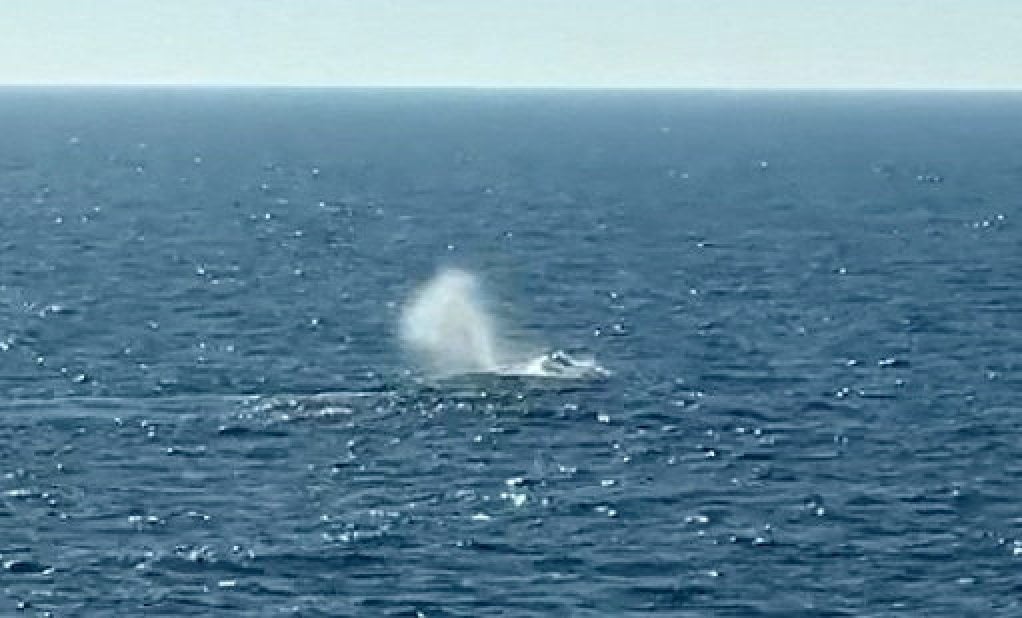
On May 2, 2026, the operation reached its pinnacle. The barge was positioned roughly 70 kilometers from the coast of Skagen, Denmark. As the gates opened, drone footage captured the incredible sight of a whale spouting and swimming away into deeper, more suitable waters. To monitor his progress, a GPS transmitter was attached to the whale, providing researchers with vital data on his survival and movement patterns in the coming months.
Lessons Learned: Marine Mammal Protection in 2026
The story of Timmy is more than just a heartwarming news snippet; it is a critical case study for marine mammal protection agencies worldwide. As our oceans change, we are seeing an uptick in OOH (Out of Habitat) marine mammals.
The Future of Stranding Responses
Biomonitoring: Events like this highlight the importance of using strandings as sites for scientific endeavor. By collecting biological data, researchers can better understand the health of our oceans.
The “Blackfish Effect” Influence: The public’s reaction to Timmy shows that the global sentiment toward captive or distressed marine animals remains high. There is a clear, loud demand for humane, non-invasive, and expert-led rescue strategies.
Technological Integration: The use of live-streaming and rapid-response drones shows how modern technology can mobilize global support and ensure transparency in animal rescue operations.
Conclusion: A Hopeful Horizon
While Timmy’s release is a major victory for the rescue team and the public, scientists remain cautiously optimistic. The transition from the shallow, low-salinity Baltic to the deep North Sea is a significant physiological adjustment. However, the fact that he was seen swimming and spouting independently is the best possible outcome.
This event has proven that when communities, scientists, and private initiatives align, we can perform miracles for the creatures with whom we share this planet. As Timmy continues his journey back toward the Atlantic, he carries with him the hopes of millions who watched his struggle and celebrated his return to the wild.
The story of Timmy serves as a poignant reminder: while we cannot control the vast, wild nature of our oceans, we can certainly choose to be the force that helps, rather than harms, those who find themselves lost in the currents of our changing world.