The Battle for Reproductive Healthcare: Supreme Court Faces New Challenges Over Mifepristone Mail-Order Access

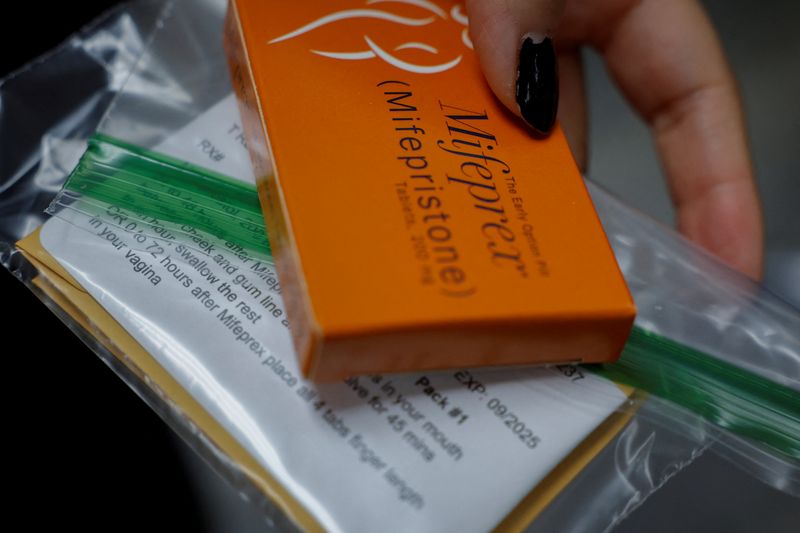
The landscape of reproductive healthcare in the United States remains in a state of constant flux as we move further into 2026. At the center of this legal and medical firestorm is mifepristone, a critical component of the two-drug regimen used for medication abortions. Following a series of high-stakes legal maneuvers, pharmaceutical manufacturers have once again petitioned the U.S. Supreme Court to intervene and restore mail-order access to the drug, highlighting the ongoing tension between federal regulatory authority and state-level restrictions.
The Current Legal Standoff
The latest escalation stems from a ruling by a conservative panel at the 5th U.S. Circuit Court of Appeals. This ruling temporarily blocked the distribution of mifepristone by mail, a decision that has sent shockwaves through the healthcare sector. For patients, particularly those residing in states where abortion access is severely restricted or banned, this ruling serves as a significant hurdle to accessing evidence-based care.
Danco Laboratories and GenBioPro, the primary manufacturers of the drug, argue that such judicial interference creates a dangerous precedent. By restricting the delivery of a medication that the U.S. Food and Drug Administration (FDA) has deemed safe and effective, the courts are effectively overriding the scientific expertise of federal regulators. The drugmakers contend that this disruption forces providers and patients into a state of “confusion and upheaval,” complicating time-sensitive medical decisions that require clarity and consistency.
Why Mail-Order Access Matters
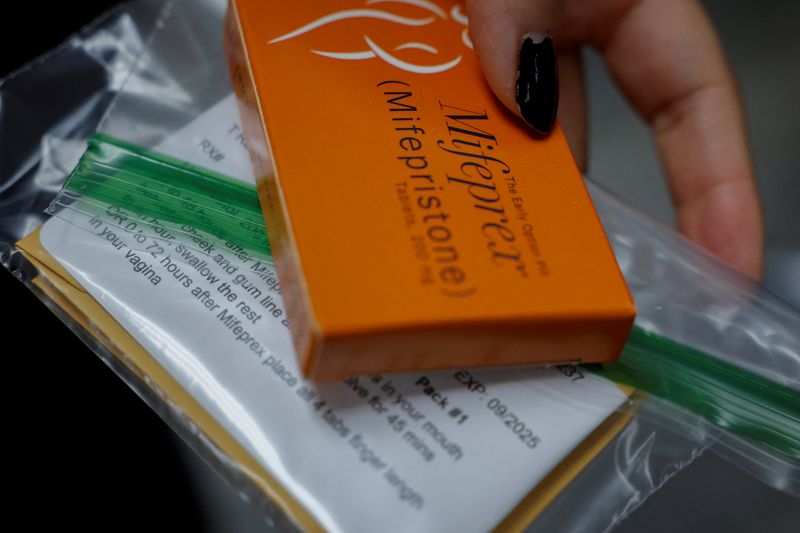
Medication abortion, which utilizes a combination of mifepristone and misoprostol, accounts for approximately two-thirds of all abortions performed in the United States. Since the FDA lifted in-person requirements for mifepristone in 2023, telehealth and mail-order delivery have become vital lifelines for individuals living in “abortion deserts”—regions where local clinics are scarce or non-existent due to restrictive state laws.
Impact on Patient Care
Accessibility: Mail-order services allow patients to receive care from providers located in states where abortion remains legal, even if the patient resides in a state with a ban.
Privacy and Safety: For many, the ability to receive medication via mail reduces the need for travel, which can be expensive and logistically impossible for low-income populations.
Standard of Care: Medical organizations, including the American College of Obstetricians and Gynecologists, have consistently maintained that mifepristone is a safe, effective, and essential part of reproductive healthcare.
The Regulatory Tug-of-War
The legal battle is not merely about a single pill; it is a fundamental test of the FDA’s regulatory authority. Republican-led states, spearheaded by Louisiana, argue that the FDA failed to properly evaluate the risks associated with the drug, citing concerns over potential adverse events like hemorrhaging and sepsis.
However, the pharmaceutical companies and various health advocacy groups maintain that these claims are politically motivated rather than scientifically grounded. They argue that the FDA’s 2023 decision to expand access was based on years of clinical data confirming the safety of the two-drug regimen. By challenging these regulatory decisions in court, states are effectively attempting to use the judiciary to enforce a national standard on abortion access that bypasses federal scientific consensus.
Looking Back: The Long Road to 2026
The legal saga did not begin with this recent petition. Since the Supreme Court’s 2022 decision to overturn Roe v. Wade, the legal landscape has been dominated by efforts to restrict abortion access at the state level. While the Supreme Court previously dismissed a challenge to the mail-order rule in 2024 on the grounds that the plaintiffs lacked “legal standing,” the persistence of state-led lawsuits ensures the issue remains a permanent fixture on the docket.
As of 2026, the political environment remains polarized. With the current administration conducting its own internal reviews of the drug’s safety—reviews that have faced delays and significant scrutiny—the pharmaceutical industry is bracing for a long, drawn-out battle. The involvement of states like Missouri, Kansas, and Idaho in ongoing litigation signals that the effort to curtail access to medication abortion is far from over.
The Broader Implications for Healthcare
The potential for a permanent ban on the mailing of mifepristone poses a significant threat to the autonomy of the medical profession. If courts continue to override the FDA’s drug approval and distribution protocols, it could set a dangerous precedent for other medications, potentially allowing political entities to influence the availability of drugs related to contraception, hormone therapy, or other sensitive medical treatments.
Key Takeaways for the Future
- Judicial Overreach: The role of the courts in determining medical standards continues to be a central point of contention.
- State vs. Federal Authority: The tension between states’ rights to restrict abortion and the federal government’s mandate to regulate drug safety remains the primary driver of this litigation.
- Patient Outcomes: Regardless of the legal outcome, the uncertainty surrounding access to mifepristone creates significant barriers to care, disproportionately affecting vulnerable communities.
Conclusion
As the Supreme Court weighs the emergency appeals from Danco Laboratories and GenBioPro, the nation watches closely. The outcome of this case will not only determine the future of medication abortion access in the United States but will also define the boundaries of federal regulatory power in a post-Roe* world. For millions of women, the accessibility of mifepristone is not just a legal abstraction—it is a fundamental component of their reproductive health and bodily autonomy. As we move further into 2026, the fight for reproductive freedom remains as critical and contested as ever.