The White House Ballroom Battle: Security, Scandal, and the Future of the East Wing

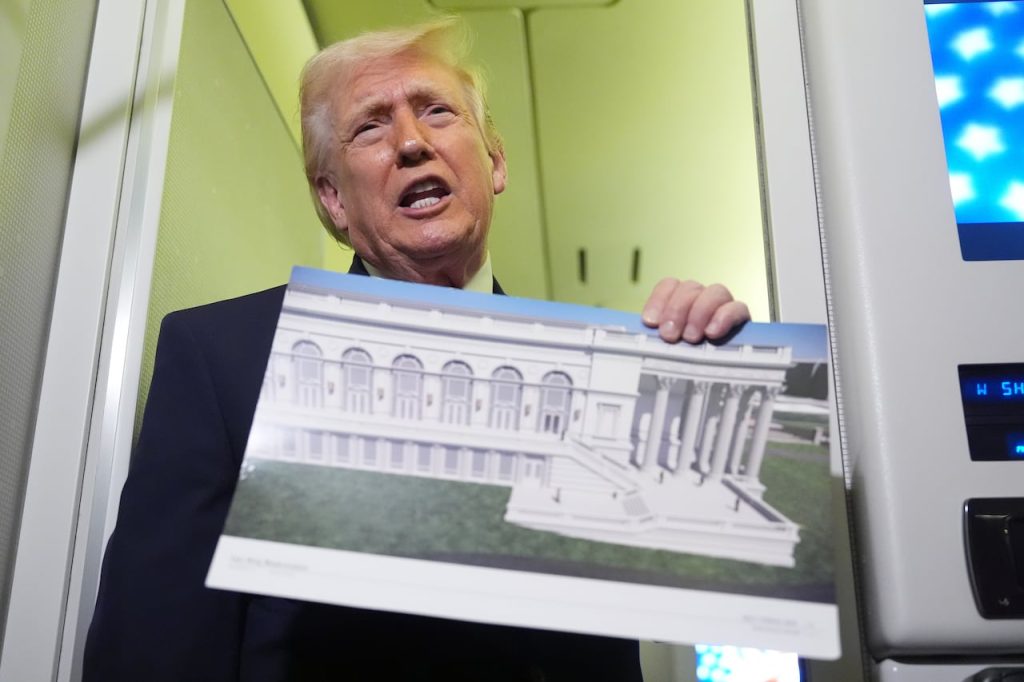
The landscape of the White House is undergoing its most radical transformation in a century. What began as a personal ambition for a private event space has spiraled into a high-stakes constitutional and legal showdown. As of 2026, the proposed “White House State Ballroom” is no longer just a structural project; it has become a central flashpoint in American politics, fueled by massive costs, historical preservation lawsuits, and, most recently, a chilling security incident that has reshaped the administration’s narrative.
A Vision Years in the Making
President Donald Trump’s fascination with a grand ballroom dates back to his early days in the political spotlight. Long before his second term, he frequently expressed disdain for the existing East Room, which seats approximately 200 guests. Trump has often argued that hosting world leaders in temporary pavilions on the South Lawn is undignified for a superpower.
By July 2025, this private desire became official policy. The administration announced an ambitious 90,000-square-foot facility, intended to host up to 999 guests. The project was initially framed as a privately funded endeavor, promising to modernize the executive residence without touching the core historical structure. However, the reality of the construction site has proven far more invasive.

The Escalating Costs and Architectural Turmoil
The project has been plagued by “scope creep” from its inception. Initial budget estimates sat at $200 million, a figure that has ballooned to $400 million by early 2026. As the price tag climbed, so did the friction behind the scenes.
Architectural plans have been overhauled multiple times. Early renderings were criticized by experts at the New York Times for bizarre design flaws, such as staircases leading to dead ends and structural columns obstructing windows. The project saw a major shakeup in late 2025 when designer James McCrery II was replaced by Shalom Baranes, reportedly due to irreconcilable differences regarding the ballroom’s gargantuan scale.
The Demolition Controversy
Critics, including historians and members of the National Trust for Historic Preservation, were horrified when crews began dismantling the original East Wing in late 2025. This demolition included the destruction of the Presidential Emergency Operations Center (PEOC), a bunker of immense historical and strategic significance. While the administration claims the new facility will house a superior military complex, preservationists argue that the destruction was carried out without the necessary congressional authorization or historical impact assessments.

The Security Pivot: A New Argument
The trajectory of the ballroom project shifted dramatically following the recent shooting at the Washington Hilton during the White House correspondents’ dinner. The incident, which occurred while the President and top officials were in attendance, provided the administration with a potent new justification for the ballroom.
President Trump and his allies are now framing the project as a critical security necessity. The argument is simple yet contentious: the White House lacks a secure, “hardened” space large enough for high-level events, forcing the President to attend vulnerable functions at external hotels.
Legislative Pressure and Legal Hurdles
The administration is currently leveraging this narrative to push for legislative support. Republicans in Congress are drafting bills to expedite construction and, in a significant turn of events, some are now suggesting the use of public funds to complete the $400 million structure. This marks a departure from the original “privately funded” pitch, which relied on donations from tech giants and defense contractors.
However, the legal path remains blocked. In March 2026, U.S. District Judge Richard Leon issued a preliminary injunction halting the work due to the lack of congressional authorization. The Justice Department has fought back aggressively, filing motions that critics claim bypass traditional legal decorum, often citing “Trump Derangement Syndrome” as a primary motivation for the opposition.
Is the Ballroom a Political Distraction?
Political analysts remain divided on the long-term impact of the ballroom project. Matt Lebo, a political scientist at Western University, suggests that the project highlights a disconnect between the President’s priorities and the concerns of the average American.
- Economic Context: At a time when many voters are focused on inflation, housing, and international conflicts, the multi-million-dollar ballroom is viewed by some as an exercise in vanity.
- The Partisan Divide: The issue has become a litmus test for loyalty. Supporters see the ballroom as a symbol of American strength and security, while detractors see it as a blatant disregard for institutional procedures and historical preservation.
Looking Ahead: The Final Verdict
As of mid-2026, the construction site remains a ghost of the original East Wing. The administration’s push to restart work, bolstered by the recent security scare, suggests that the President is unwilling to abandon his vision. However, the judiciary remains the final arbiter.
Whether the ballroom becomes a crowning achievement of the Trump administration or a historical cautionary tale about executive overreach depends on how the pending lawsuits are resolved. For now, the White House ballroom remains a symbol of the deep, often architectural, divisions in the American political landscape.