Oil Rallies to Highest Level Since Start of Iran War: Global Energy Markets on Edge

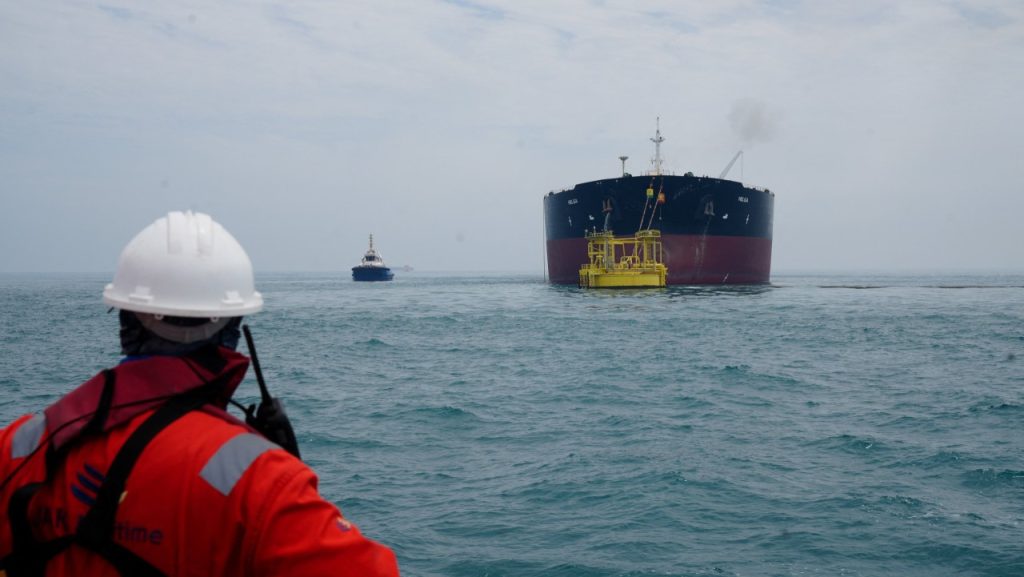
The global energy landscape is currently navigating its most volatile period in years. As of early 2026, Brent crude prices have surged to levels not seen since the outbreak of the Iran conflict, piercing the $123-a-barrel threshold. This dramatic spike reflects a market transitioning from cautious optimism to the harsh reality of a protracted supply disruption in the Persian Gulf.
For consumers and businesses alike, the implications are severe. With peace negotiations deadlocked and military tensions escalating, the world is bracing for a sustained energy shock that threatens to ripple through the global economy, driving up the cost of everything from jet fuel to consumer goods.

The Catalyst: Why Crude Prices Are Skyrocketing
The current rally is not merely a knee-jerk reaction to news headlines; it is a fundamental reassessment of global supply security. Analysts at ING and other major financial institutions have noted that the market has finally priced in the reality of the Persian Gulf supply crunch.
The primary driver behind this volatility is the impasse regarding the Strait of Hormuz. As one of the world’s most critical maritime chokepoints, the strait is currently caught in a tug-of-war between Iranian transit fees and U.S. naval restrictions. When supply lines through this narrow corridor are threatened, the global oil market reacts instantaneously.
The Breakdown of Diplomatic Efforts
Peace talks have effectively stalled. Recent reports suggest that the U.S. administration is losing patience with the diplomatic process. Following Tehran’s proposals—which were viewed by Washington as an attempt to stall rather than negotiate—President Trump has signaled that the U.S. may be moving toward a more assertive military posture.
Plans for a “short and powerful” wave of strikes against key regional targets have reportedly been drafted by U.S. Central Command. This shift from diplomacy to potential military escalation has added a significant “war premium” to every barrel of oil traded on international exchanges.
The Strait of Hormuz: A Global Chokepoint in Limbo
The strategic importance of the Strait of Hormuz cannot be overstated. With a substantial portion of the world’s oil production passing through these waters, the ongoing blockade and counter-blockade maneuvers have created a dangerous bottleneck.
Iran’s decision to tighten control and impose transit fees has effectively weaponized energy logistics. In response, the U.S. Navy’s decision to impose sweeping restrictions on vessels linked to Iranian ports has turned this vital waterway into a high-stakes arena of geopolitical friction. Market participants are now operating under the assumption that these flows will remain constrained for the foreseeable future.

Economic Consequences: The Threat of Demand Destruction
As prices climb, the focus of economists has shifted to the concept of demand destruction. This is the economic phenomenon where high prices naturally force consumers and industries to reduce their consumption, eventually cooling the market. However, the current situation is unique due to the speed and severity of the price increase.
The Shrinking Supply Cushion
Global oil inventories were already lean before the conflict intensified. Now, with the cushion shrinking daily, the market is becoming hyper-sensitive to any supply-side news. Analysts warn that if the disruption persists, the only mechanism left to balance the market is a drastic reduction in demand.
- Manufacturing Costs: Higher energy prices directly impact industrial output, leading to increased costs for raw materials and logistics.
- Consumer Impact: Gasoline prices in the U.S. and Europe are hitting multi-year highs, straining household budgets and dampening discretionary spending.
- Inflationary Pressure: Elevated fuel costs act as a tax on the entire economy, complicating the efforts of central banks to maintain price stability.
What Lies Ahead for Energy Markets?
Looking ahead to the remainder of 2026, the trajectory of oil prices remains tethered to the diplomatic and military developments in the Middle East. If the U.S. proceeds with the reported plans for naval blockades or targeted military strikes, we could see oil prices test even higher resistance levels.
Conversely, any breakthrough in negotiations—or a de-escalation of the naval standoff—would likely lead to a sharp correction. However, until a sustainable peace deal is reached, the market is expected to remain in a state of high alert, characterized by extreme intraday volatility and a bias toward the upside.
Key Indicators to Watch
- Strait of Hormuz Traffic: Any reports of increased tanker detentions or changes in transit fees will immediately move the needle.
- U.S. Policy Shifts: Statements from the White House regarding military engagement will continue to dictate the “war premium” on Brent and WTI crude.
- Inventory Reports: Weekly data on global oil reserves will provide a clearer picture of how much of a “buffer” remains as the crisis persists.
Conclusion: Navigating an Uncertain Future
The rally to the highest oil price since the start of the Iran war is a stark reminder of the fragility of global energy security. As the world navigates this 2026 crisis, the interconnected nature of the global economy means that the consequences of these geopolitical tensions will be felt far beyond the borders of the Middle East.
For investors, policymakers, and the general public, the coming weeks will be critical. Whether through a return to the negotiating table or a further descent into regional conflict, the resolution of this impasse will define the energy market narrative for the remainder of the year.