Global Crisis at Sea: Israeli Forces Intercept Humanitarian Flotilla Carrying President Connolly’s Sister

The geopolitical landscape of the Middle East reached a new boiling point this week as the Global Sumud Flotilla, the largest civilian maritime mission in history, was intercepted by Israeli naval forces in international waters. The flotilla, composed of over 80 vessels and 1,000 international activists, set sail from Sicily with the explicit intent of challenging the long-standing naval blockade of the Gaza Strip and delivering critical humanitarian aid.
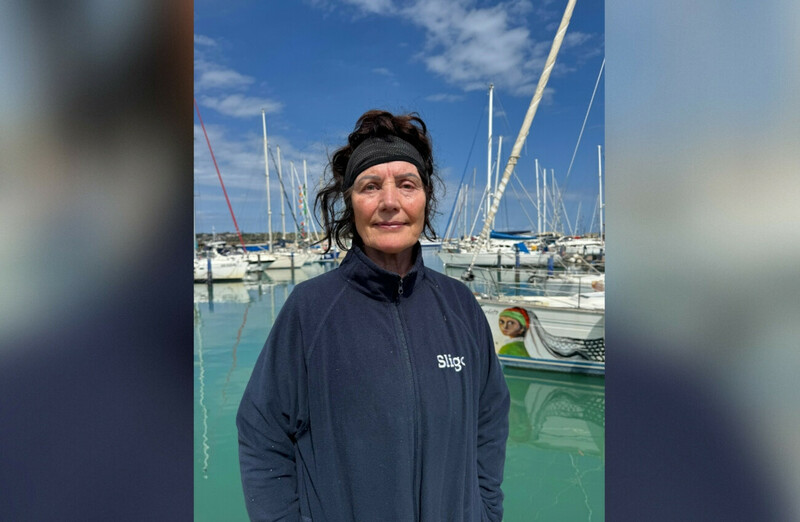
Among the participants is Dr. Margaret Connolly, a Sligo-based GP and sister of the President of Ireland, Catherine Connolly. Her presence has elevated the diplomatic stakes, turning a regional standoff into an international incident that is currently drawing condemnation from human rights groups and global observers alike.
The Interception: A Calculated Military Operation
The interception, which began near the Greek island of Crete, has been described by participants as a coordinated, high-tech military operation. Activists reported that their communications were systematically jammed, a tactic that mirrored the disruption faced by previous aid convoys.

According to reports from the fleet, the Israeli military utilized speedboats and drones to surround the civilian vessels. In several instances, activists were reportedly ordered at gunpoint to move to the front of their boats, while naval forces allegedly disabled engines and navigation equipment before retreating.
The flotilla organizers, in a scathing social media statement, characterized the action as the “export of the Israeli military’s doctrine of engineered abandonment.” By disabling the vessels, they claim the military left hundreds of civilians stranded on powerless, broken boats in the path of a massive, impending storm.
The Humanitarian Mission vs. The Security Narrative
The Global Sumud Flotilla is not merely a protest; it is a massive logistical effort. Participants from over 100 countries, including high-profile figures, have joined the mission to deliver medical supplies, food, and essential aid to a population that has been devastated by the ongoing conflict.

Divergent Perspectives
- The Activist Position: Dr. Margaret Connolly and fellow activist Louise McCormack have maintained that the mission is strictly peaceful. They argue that the international community must intervene to stop the use of regional airports, such as Shannon, for the transit of military aid that contributes to the destruction in Gaza.
- The Israeli Position: The Israeli foreign ministry has dismissed the flotilla as a “PR stunt” and a “provocation without humanitarian aid.” They allege that the operation is backed by Hamas, designed specifically to sabotage the second phase of President Trump’s peace plan and to deflect attention from the militant group’s refusal to disarm.
Israel’s Ambassador to the United Nations, Danny Danon, praised the military’s actions, asserting that the state has successfully prevented a security threat from reaching its maritime borders.
Dr. Margaret Connolly’s Stance
For Dr. Margaret Connolly, the decision to join the flotilla was rooted in a profound humanitarian conviction. In an interview conducted shortly before her departure, she expressed her inability to remain silent while witnessing the destruction of Gaza, a region she noted is only a fraction of the size of Sligo but houses over 2.2 million people.
“They have no right to be bombing, droning or attacking ships on a peaceful humanitarian project,” Dr. Connolly stated. Her participation serves as a high-stakes protest against what she describes as the “genocidal war” that has claimed more than 75,000 lives since October 2023. By putting herself in the direct line of fire, she has forced the Irish government to address the role of foreign military transit within its own territory.
The Broader Context of the 2026 Conflict
The current blockade of the Global Sumud Flotilla is the latest in a series of maritime confrontations. Since the conflict escalated in 2023, the Gaza Strip has faced near-total infrastructure collapse. Despite nominal ceasefires, the death toll continues to rise, and the delivery of aid remains a primary point of contention between humanitarian organizations and the Israeli government.
The use of “engineered abandonment”—the practice of disabling vessels at sea—marks a dangerous escalation in how such protests are handled. International maritime law is currently being tested, as the incident took place in international waters, far from the Israeli coastline. Legal experts are now questioning whether the interception constitutes a violation of the rights of non-combatant civilians.
What Happens Next?
As of Friday, the final vessels of the flotilla have been intercepted. The fate of the 1,000 participants remains uncertain, with previous activists having faced detention in Israeli prisons followed by deportation. The global community is watching closely to see if the detention of such a diverse group of international citizens will lead to a shift in diplomatic pressure.
The Global Sumud Flotilla has vowed to continue its efforts until the naval blockade is lifted. However, with the Israeli foreign ministry doubling down on its stance that the flotilla is a political instrument of Hamas, a diplomatic resolution appears unlikely in the immediate future.
The incident serves as a stark reminder of the deep-seated divisions that continue to define the Middle East in 2026. Whether this mission succeeds in changing the narrative or simply adds another chapter to the ongoing cycle of conflict, one thing is certain: the plight of the people in Gaza remains the central, unresolved issue driving these activists to risk their lives at sea.