Tenerife Braces for Arrival of Hantavirus-Stricken MV Hondius: A Global Medical Operation

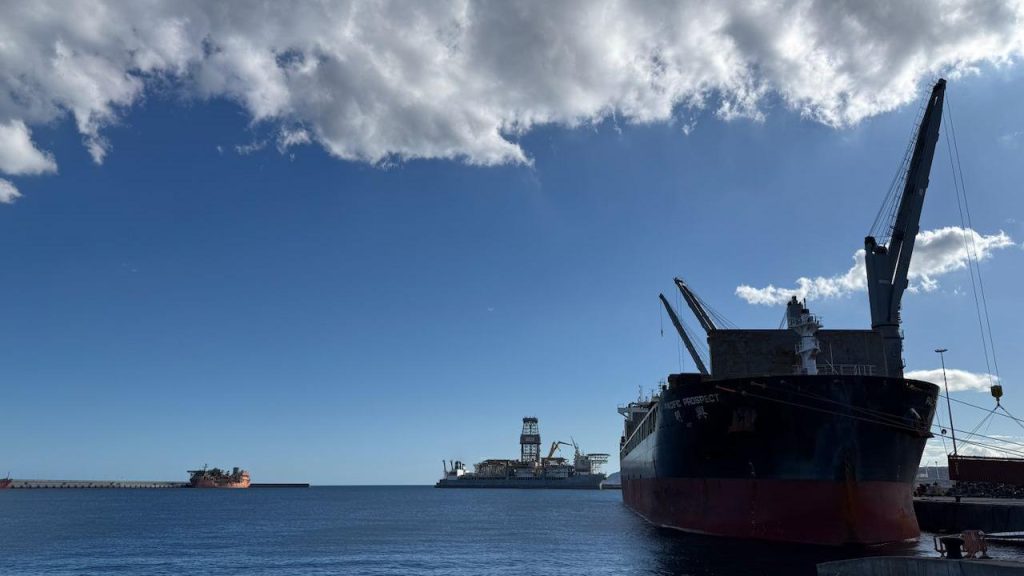
The tranquil waters off the coast of Tenerife are currently the site of an unprecedented international medical operation, a significant public health emergency. After nearly a month of being stranded at sea, the MV Hondius cruise ship is finally approaching the Canary Islands. The vessel, which has been grappling with a deadly outbreak of the rare Andes strain of hantavirus, is set to anchor in the industrial port of Granadilla, marking the culmination of a massive logistical effort involving 23 countries.
As the ship nears the island, local authorities, international health experts, and the public are balancing the urgent need for humanitarian aid with the strict requirements of biosafety and robust biosecurity measures. With the WHO director-general personally overseeing the arrival, the world is watching how Spain manages this high-stakes containment protocol, a testament to effective crisis management.
The Logistics of a High-Stakes Maritime Quarantine
The arrival of the MV Hondius is not a standard port call. It is a highly controlled military-grade operation designed for effective infectious disease control and to isolate the vessel from the moment it enters the island’s territorial waters. A security perimeter of one nautical mile has been established, ensuring that the ship remains at a safe distance from the shoreline.
Once the ship drops anchor, the process of disembarking over 100 passengers and crew will begin. This is a complex, multi-stage operation, part of a comprehensive emergency response plan. Spanish authorities have set up large, specialized reception tents at the industrial facility in Granadilla, where military police and disaster response teams are on high alert.
Step-by-Step Evacuation Protocol
- Medical Screening: Once the ship is moored, specialized medical teams, adhering to strict healthcare protocols, will board the vessel to assess every individual for symptoms of the hantavirus.
- Segregation: Passengers will be categorized by nationality to facilitate a streamlined transfer to their respective home countries.
- Repatriation: Charter planes from the UK, US, and multiple EU nations are already waiting on the tarmac at the local airport, facilitating a complex medical evacuation (medevac) process.
- Isolation: Spanish nationals will be transported directly to the Gomez Ulla military hospital in Madrid for a mandatory quarantine period, reflecting the severity of the virus’s nine-week incubation period and the need for ongoing epidemiological surveillance.
Addressing Public Concern and the Legacy of COVID-19
The atmosphere on the island is a mix of sympathy and apprehension. The trauma of the COVID-19 pandemic remains fresh in the minds of many residents, leading to understandable concerns regarding the arrival of an infectious disease outbreak on their shores, necessitating stringent infectious disease control measures. Protests have occurred, with some locals expressing frustration over the decision to divert the ship to Tenerife.
However, health officials are working tirelessly to mitigate this alarmism. Mónica García, Spain’s Health Minister, has repeatedly emphasized that the risk of contagion for the general population is extremely low. Unlike respiratory viruses that spread easily through the air, the hantavirus, a type of viral hemorrhagic fever, typically requires direct contact with infected rodent excreta or, in very rare instances, specific forms of human-to-human transmission.
The WHO’s Role in Reassurance
WHO Director-General Tedros Adhanom Ghebreyesus has traveled to Tenerife to provide oversight and lend his voice to the cause of public calm. He has praised the Spanish government’s response, describing it as “solid and effective,” and in line with international standards and International Health Regulations (IHR). By being present, the WHO aims to bridge the gap between official medical data and the legitimate anxieties of the local community.
Medical Readiness: The View from Candelaria Hospital
While the government maintains that the risk is low, the medical infrastructure in Tenerife is taking no chances. The Candelaria hospital has transformed its isolation facilities into a fortress against the virus, implementing advanced healthcare protocols. Specialized units have been prepared, complete with ventilators, testing kits, and extensive stocks of personal protective equipment (PPE).
Chief intensive care doctor Mar Martin and her team have been preparing for weeks. “We’ve never seen hantavirus before, but it’s a virus with complications we manage every day,” Dr. Martin explained. Her team is fully trained and equipped to handle any medical emergencies that may arise during the transfer process.
The focus is on maintaining a “zero-leak” policy. Every piece of equipment, from masks to suits, is handled with extreme caution. The image of stacks of protective gear waiting in the isolation unit serves as a symbol of the preparedness that defines this operation.
Understanding the Hantavirus Outbreak
The origin of this crisis is as unusual as the containment effort. The outbreak has been traced back to a landfill site in the southernmost tip of Argentina—a location frequently visited by birdwatchers and tourists. The virus is primarily carried by rodents, which explains why the outbreak was contained to the ship following that specific port call.
Key Facts About the Hantavirus
Transmission: Primarily through contact with rodent urine, droppings, or saliva. Human-to-human transmission is rare but possible under specific conditions, requiring careful epidemiological surveillance.
Incubation: The virus can remain dormant for up to nine weeks, necessitating lengthy quarantine periods for those exposed.
- Severity: While the virus has tragically claimed three lives on the MV Hondius, the health agency confirms that this is not the start of a new global pandemic.
The Path Forward: Repatriation and Recovery
For the passengers and crew of the MV Hondius, the arrival in Tenerife represents the light at the end of a very dark tunnel. Weeks of uncertainty, fear, and isolation at sea are finally nearing an end. While the quarantine period in Madrid and other home nations will be grueling, it is a necessary step to ensure the safety of the public and the health of the individuals involved.
Approximately 30 crew members will remain on the vessel after the passengers are evacuated. Their task will be to pilot the ship back to the Netherlands, where it will undergo a comprehensive cleaning and decontamination process.
Final Thoughts on Global Solidarity
The operation in Tenerife serves as a masterclass in international cooperation. From the 23 countries coordinating flights to the local medical teams preparing for the worst-case scenario, the response highlights the importance of global health security. As the ship anchors, the focus remains on compassion for the passengers and rigorous adherence to the safety protocols that protect the residents of the Canary Islands.
By prioritizing transparency, medical expertise, and logistical precision, Spain is proving that even in the face of rare and frightening health threats, the international community can work together to protect lives and prevent the spread of disease.