Trump Congratulates John Swinney: A Strategic Shift in US-Scotland Relations Following 2026 Election

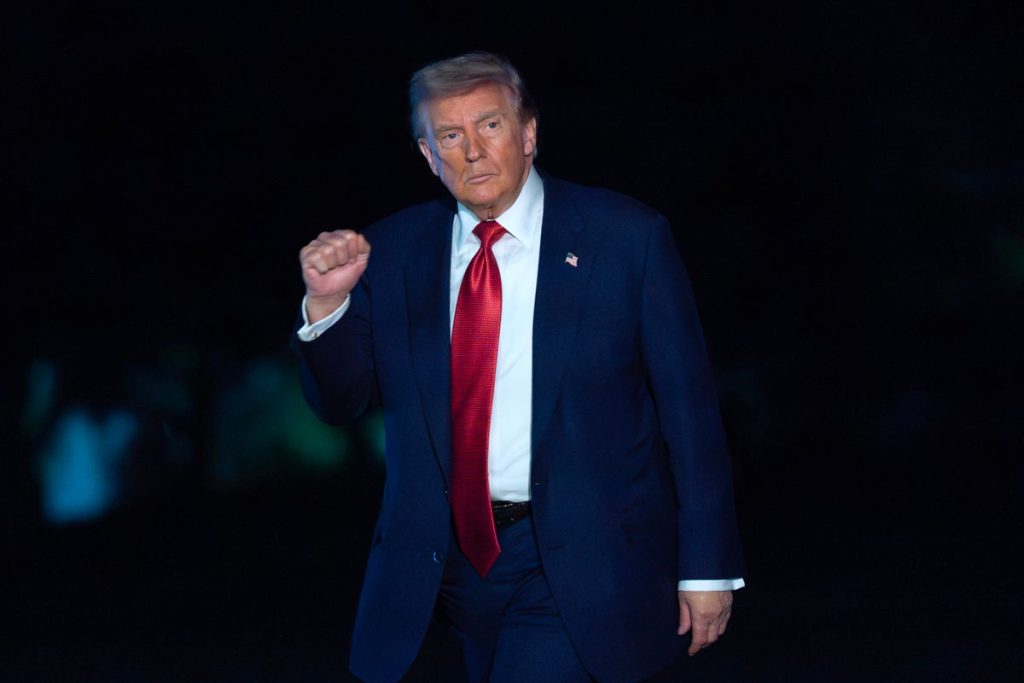
The political landscape in Scotland has undergone a seismic shift following the 2026 Scottish Parliamentary elections. In a move that has sent shockwaves through Westminster and Washington alike, US President Donald Trump publicly congratulated First Minister John Swinney on his re-election. This endorsement, delivered via Truth Social, marks a significant moment in the ongoing power struggle within the United Kingdom and highlights the increasingly complex relationship between the White House and Downing Street.
While the Scottish National Party (SNP) fell short of an overall majority, securing 58 seats, their performance was enough to comfortably outperform both Labour and Reform UK, who each finished with 17 seats. This outcome serves as a severe rebuke to Sir Keir Starmer’s leadership, providing a stark contrast to the political stability the Prime Minister had promised.
The Truth Social Endorsement: More Than Just a Courtesy?
President Trump’s message was characteristically blunt and direct. He lauded John Swinney as a “good man” who “deserves this big electoral victory.” Beyond the standard diplomatic pleasantries, the President specifically highlighted the collaborative efforts regarding tariff relief for Great Scottish Whiskey.
This reference is highly strategic. It validates Mr. Swinney’s previous claims—which had been met with heavy social media skepticism—that he played an instrumental role in securing trade concessions alongside the British Royal Family. By weighing in on this specific policy success, Trump has effectively bolstered Swinney’s domestic credibility while simultaneously casting a shadow over the current UK government’s diplomatic efficacy.
A Thinly Veiled Swipe at Keir Starmer
Political analysts are interpreting the President’s post as a strategic jab at Sir Keir Starmer. Relations between the two leaders have been notoriously frosty, with Trump having previously dismissed the Prime Minister as “no Winston Churchill.” By elevating Swinney—a leader who has arguably weakened Starmer’s electoral standing—the US President is signaling a preference for regional leaders who align with his specific brand of transactional diplomacy.
For Starmer, the 2026 election results represent a “humiliation” that extends well beyond Scotland. With Labour suffering heavy losses in Wales and local councils across England, the pressure on the Prime Minister to justify his leadership has reached a fever pitch.
The State of the SNP: A Third Decade in Power
Despite the loss of six seats from their 2021 total, the SNP remains the undisputed dominant force in Scottish politics. Embarking on their third decade of influence, the party has shown remarkable resilience.
Navigating the Post-Election Reality
Seat Count: 58 seats secured, maintaining the largest party status.
Coalition Dynamics: While falling short of the 65-seat threshold for an outright majority, the party continues to seek support from the Scottish Greens to maintain a pro-independence legislative block.
- Policy Focus: The focus remains on economic stability, specifically the protection of the spirits industry and infrastructure development.
John Swinney’s ability to retain power in the face of a changing electoral map is a testament to the SNP’s deep-rooted organizational structure. However, the drop in seat numbers suggests that voters are increasingly demanding answers regarding public services and the long-term viability of the independence movement.
Labour’s “Hurting” Leadership Crisis
In the wake of the results, Scottish Labour leader Anas Sarwar admitted that the party is “hurting.” The frustration within the Labour ranks is palpable, with many backbench MPs openly questioning whether Sir Keir Starmer can survive the mounting pressure.
The Call for Resignation
Richard Burgon, representing the Socialist Campaign Group, has been one of the most vocal critics, demanding that Starmer set a clear timetable for his departure. The argument is simple: if the party cannot hold its traditional strongholds in Scotland and Wales, it cannot hope to lead the UK effectively in the future.
Despite the calls for a leadership contest, Sir Keir Starmer remains defiant. His public stance, “I’m not going to walk away and plunge the country into chaos,” suggests a Prime Minister digging in his heels. However, the political reality is that the party has haemorrhaged support to Reform UK and other minor parties, leaving Labour in a precarious position for the remainder of the parliamentary term.
The Broader Implications for UK-US Relations
The involvement of a US President in the internal political affairs of Scotland is unconventional, but it reflects the global nature of modern political branding. By siding with Swinney, Trump is not only potentially disrupting the “Special Relationship” between the UK and the US but also creating a direct line of influence into the Scottish Parliament.
Why This Matters for 2026 and Beyond
- Economic Leverage: If trade deals regarding Scotch whisky continue to be brokered directly between Holyrood and the White House, it undermines the central authority of Westminster.
- Political Polarization: The endorsement deepens the divide between pro-independence supporters and the pro-union Labour Party.
- Future Alliances: We may see a shift where international leaders bypass Downing Street to engage directly with regional administrations if they perceive the UK Prime Minister to be politically weak.
Conclusion: A New Chapter for Holyrood
As Scotland enters this new parliamentary term, the endorsement from Donald Trump serves as a reminder that the political environment is more volatile than ever. John Swinney has secured his position, but he faces a parliament that is fractured and a public that is increasingly impatient for results.
Meanwhile, Sir Keir Starmer faces the fight of his political life. Whether he can recover from the “disastrous” 2026 election cycle or whether the rumblings of a leadership contest will eventually force him out remains to be seen. One thing is certain: the eyes of the world are now firmly fixed on the unfolding drama in Edinburgh and London.