Hantavirus Cruise Ship Crisis: WHO Chief Reassures Tenerife Amid Global Health Concerns

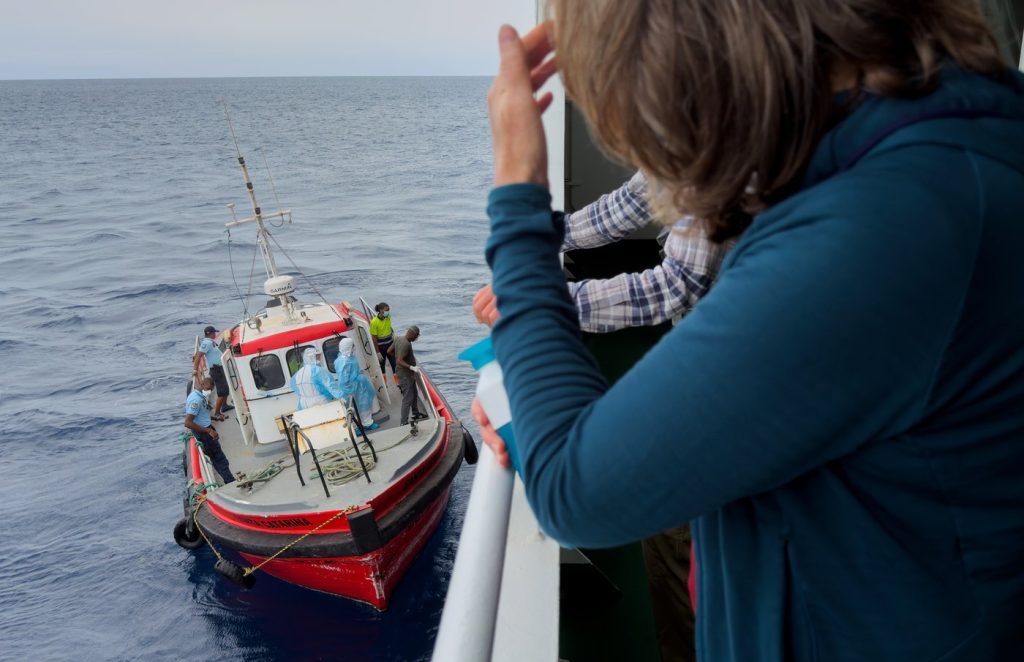
The global health community is currently focused on the Canary Islands as the MV Hondius, a cruise ship grappling with a rare hantavirus outbreak, makes its final approach toward the port of Tenerife. With over 140 passengers and crew members on board, the situation has sparked significant anxiety among local residents, many of whom are still processing the collective trauma of the 2020 pandemic.
In an effort to de-escalate rising tensions, World Health Organization (WHO) Director-General Tedros Adhanom Ghebreyesus traveled to Tenerife this weekend. His mission is twofold: to oversee the delicate, high-stakes medical evacuation process and to deliver a clear, evidence-based message to the public that the current situation, while serious, does not represent a repeat of the COVID-19 crisis.
Understanding the Hantavirus Threat
Hantaviruses are a group of viruses primarily spread through contact with infected rodents or their droppings. While human-to-human transmission is generally considered extremely rare, specific strains like the Andes virus—which has been identified on the MV Hondius—have shown the potential for rare person-to-person spread.
The medical community emphasizes that the risk to the general population of Tenerife remains low. Unlike respiratory viruses that spread easily through the air in crowded spaces, hantavirus typically requires direct exposure to contaminated materials. However, the tragic loss of three lives during this cruise has understandably heightened international concern.
Why the WHO Chief’s Message Matters
Dr. Tedros’s presence on the island serves as a strategic intervention in public health communication. By acknowledging the “pain of 2020,” he is validating the fears of local residents rather than dismissing them. This empathetic approach is crucial for maintaining public trust during infectious disease outbreaks.
“This is not another COVID,” Dr. Tedros stated, urging the citizens of Tenerife to rely on scientific data rather than fear. The WHO, in collaboration with Spanish health authorities, has implemented stringent protocols to ensure that the risk of transmission from the ship to the shore is effectively zero.
The Logistics of a High-Stakes Evacuation
The operation to disembark the passengers and crew is a masterclass in modern medical logistics. Spanish Health Minister Monica Garcia has confirmed that the MV Hondius will not dock at a traditional passenger terminal. Instead, the vessel will remain at anchor, and the evacuation will be conducted under “maximum safety conditions.”
Stringent Safety Protocols
To prevent any potential exposure, the authorities have enforced a “zero-contact” policy between the ship’s occupants and the local island population. Key measures include:
- Immediate Transit: Passengers will be transported directly from the ship to waiting aircraft. There will be no interaction with the general public or local infrastructure.
- Strict Luggage Limitations: Travelers are permitted to take only essential items, such as cell phones, chargers, and documentation. All other belongings will remain on the ship for professional decontamination.
- Coordinated Quarantine: Citizens from various nations will be repatriated or moved to specialized medical centers. For instance, U.S. citizens are slated for quarantine at a high-security medical facility in Nebraska.
- On-Standby Medical Evacuation: Spain has activated the EU civil protection mechanism, ensuring that specialized medical aircraft are ready to transport any individual who shows signs of illness to the European mainland.
Local Sentiment: Empathy vs. Apprehension
Despite the official assurances, the mood on the ground in Tenerife is mixed. Interviews with locals reveal a tension between humanitarian empathy and a protective instinct for their own community’s health.
“We feel a bit unsafe,” noted Samantha Aguero, a local resident. “We don’t feel as though there are 100% security measures in place to welcome it. This is a virus after all, and we have lived this during the pandemic.”
Conversely, many residents acknowledge the plight of the passengers, who have been stranded at sea for weeks. The challenge for authorities is to balance the logistical necessity of using the Canary Islands as a transit point with the psychological need to keep the local community feeling secure and informed.
The Broader Epidemiological Challenge
The MV Hondius outbreak has highlighted a significant gap in global travel health surveillance. Investigations revealed that several passengers disembarked the ship in mid-April—nearly two weeks after the first fatality—without being screened for the virus.
This lapse has forced health agencies across four continents to engage in an intensive contact-tracing effort. While three individuals who were on the same flight as a deceased passenger were tested, they all returned negative results, providing a glimmer of hope that the outbreak remains contained within the vessel’s immediate environment.
Future Implications for Cruise Travel
The cruise industry is likely to face renewed scrutiny regarding its health and safety protocols. As the MV Hondius eventually sails to the Netherlands for deep cleaning and medical clearance, maritime law and international health regulations will undoubtedly be updated to prevent similar scenarios.
The industry must now grapple with the reality that, in a post-pandemic world, the intersection of tourism and infectious disease requires a level of transparency and coordination that was previously undervalued.
Final Thoughts: A Test of Global Cooperation
The situation in Tenerife is a definitive test of the European Union’s civil protection mechanisms and the WHO’s ability to lead during regional health crises. By prioritizing scientific communication and transparent logistics, the authorities hope to resolve the MV Hondius situation without compromising the safety of the Canary Islands.
As the world watches, the success of this mission will depend on the continued cooperation between the ship’s operators, the Spanish government, and the international agencies working to bring these passengers home safely. For now, the message remains clear: caution is necessary, but there is no cause for global panic.