The End of an Era: Inside the White House Plan to Oust FDA Commissioner Marty Makary

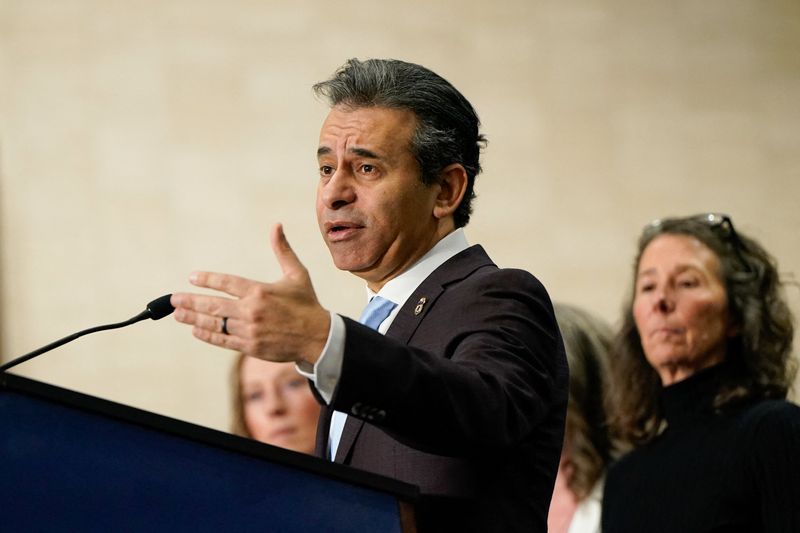
The landscape of American public health administration is undergoing a seismic shift. As of mid-2026, reports have surfaced indicating that the White House has signed off on a plan to remove U.S. Food and Drug Administration (FDA) Commissioner Marty Makary. This potential departure marks the latest chapter in a turbulent tenure defined by internal friction, high-profile policy clashes, and a sweeping exodus of veteran regulatory talent.
While the situation remains fluid—with sources noting that President Trump has been known to reverse course on staffing decisions at the eleventh hour—the momentum behind Makary’s ouster appears significant. As the administration looks to recalibrate its approach to healthcare, the potential removal of the Johns Hopkins surgeon turned regulator signals a desire for a new direction at the helm of one of the nation’s most critical health agencies.
The Catalysts for Change: Why Makary is Under Fire
The potential termination of Dr. Makary is not an isolated event; it is the culmination of months of mounting pressure from diverse corners of the political and industrial spectrum. Since his confirmation in March of the previous year, Makary has struggled to balance the demands of the “Make America Healthy Again” movement with the rigid, often slow-moving requirements of federal drug regulation.
Clashes Over Vaping and E-Cigarette Policy
One of the most vocalized points of contention between the President and the Commissioner involves the regulation of flavored e-cigarettes. During the 2024 campaign, Donald Trump made promises regarding the protection of certain consumer products. Sources suggest that the President grew increasingly frustrated with what he perceived as foot-dragging by the FDA in granting approvals, leading to a direct rebuke of Makary.
The Abortion Pill Controversy
The FDA’s role in the national debate over reproductive health has placed Makary in a precarious position. Anti-abortion advocacy groups, including the Susan B. Anthony Pro-Life America, have been increasingly vocal about their dissatisfaction with Makary’s leadership. Specifically, the delay in producing a promised safety review regarding abortion medication has alienated core conservative constituencies, putting the Commissioner at odds with the administration’s political base.
Pharmaceutical Industry Friction
The pharmaceutical sector has also voiced concerns, albeit for different reasons. The FDA’s rejection of various therapies—notably Replimune’s melanoma treatment—drew sharp criticism from the Wall Street Journal editorial board. These rejections created a perception of instability. For investors and industry leaders, the prospect of a leadership change is viewed as a potential path toward more predictable regulatory outcomes.
A “Vacuum of Expertise”: The Impact of Agency Turnover
Regardless of the political motivations behind the potential firing, the operational reality of the FDA under the current administration has been defined by instability. The agency has seen a revolving door of leadership, with thousands of employees choosing to resign or retire rather than continue under the current management structure.
The Exodus of Senior Regulators
The depth of the “brain drain” at the FDA cannot be overstated. Key positions within the drug evaluation and biologics divisions have been left in flux, often filled by acting directors rather than permanent appointees. The departure of high-level figures such as Peter Marks and Richard Pazdur has left a void in technical expertise that some experts argue is hindering the agency’s ability to function effectively.
The Challenge of Rebuilding
If Dr. Makary is indeed removed, his successor will face an uphill battle. The incoming commissioner will not only need to navigate the political expectations of the White House but must also embark on a massive recruitment effort to restore morale and technical depth within the agency. Former FDA Chief Scientist Jesse Goodman has noted that the current “vacuum” of experience poses a long-term risk to the agency’s core mission of ensuring public safety while fostering innovation.
The Succession Plan: Who Could Replace Makary?
As the White House contemplates the future of the FDA, the rumor mill has begun churning with potential names to take over the role. The administration is reportedly weighing both internal promotions and the return of seasoned veterans.
- Kyle Diamantas: Currently serving as the FDA Deputy Commissioner and head of the agency’s food group, Diamantas is viewed as a potential “acting” solution. His promotion would signal a focus on continuity within the food safety division, which has remained a priority for the administration.
- Stephen Hahn: A former FDA Commissioner, Hahn’s name has surfaced as a potential nominee. Bringing back a familiar face could be a strategic move to restore confidence among industry stakeholders and career civil servants alike.
- Brett Giroir: As a former Acting Commissioner and Assistant Health Secretary, Giroir possesses the institutional knowledge required to hit the ground running. His experience in navigating the complex bureaucracy of the Department of Health and Human Services (HHS) makes him a strong candidate for a administration looking to stabilize the agency.
Market Reaction and Economic Implications
The market’s reaction to the news of a potential leadership change serves as a barometer for how the industry views the current regulatory climate. Following reports of Makary’s possible ouster, shares in companies like Replimune saw a significant uptick.
Analysts suggest that the market is betting on a “reset” at the FDA. The expectation is that a new leader might prioritize a more streamlined, predictable path for drug approvals. While this is a welcome prospect for BioPharma investors, it raises questions for consumer advocates who fear that a push for speed might compromise the rigorous safety standards that define the agency’s mandate.
Conclusion: A Defining Moment for the FDA
The potential firing of Marty Makary is more than just a personnel change; it is a signal of the administration’s intent to reshape the federal health bureaucracy. As of 2026, the FDA finds itself at a crossroads. The agency must balance the political imperatives of the executive branch with its fundamental mandate: protecting the American public through evidence-based, impartial science.
Whether the administration proceeds with the ouster or decides to retain Makary for the sake of continuity, the challenges facing the FDA remain profound. From the loss of institutional knowledge to the ongoing battles over reproductive health and product regulation, the next leader of the FDA will have their work cut out for them. As the situation develops, the eyes of the healthcare industry, the scientific community, and the American public remain firmly fixed on Washington.