A Diplomatic Breakthrough: Trump Brokers Three-Day Ceasefire Between Russia and Ukraine

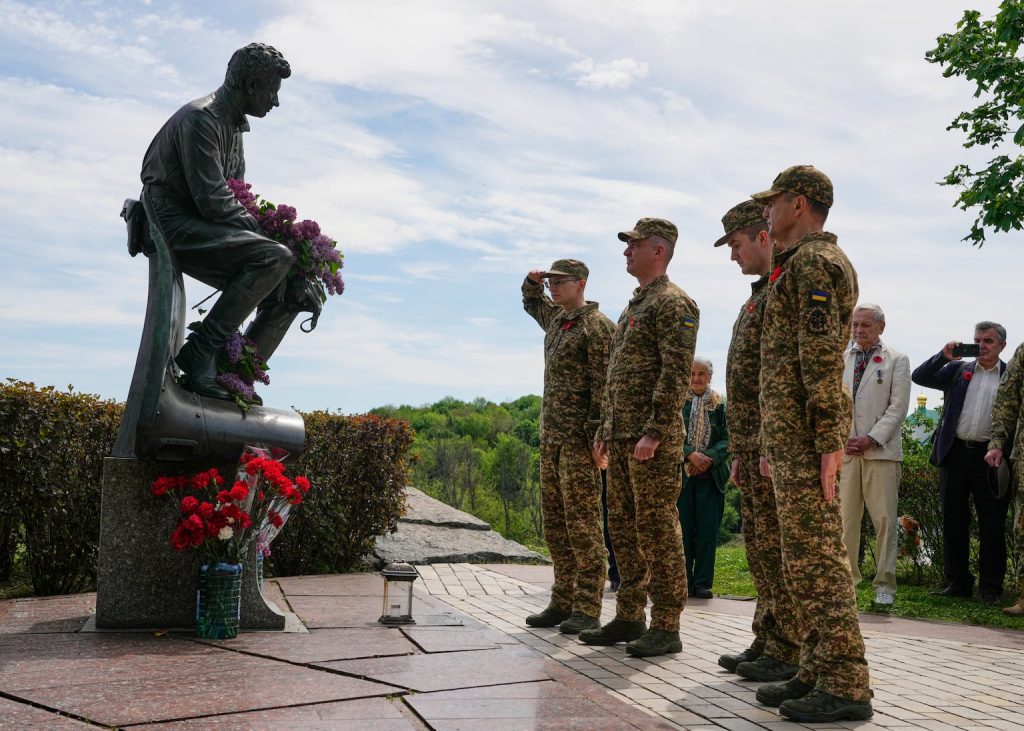
The ongoing conflict in Eastern Europe, which has persisted since February 2022, reached a rare moment of diplomatic stillness and de-escalation of hostilities this week. U.S. President Donald Trump has officially announced a three-day ceasefire between Russia and Ukraine, covering the period from May 9 to May 11, 2026. The Three-day ceasefire between Russia and Ukraine announced by the White House represents a significant diplomatic step. This temporary halt in hostilities, brokered directly by the White House, coincides with the observance of Victory Day, a holiday deeply significant to both nations for their shared history in the defeat of Nazi Germany during World War II.
Beyond the immediate cessation of kinetic activity, the Three-day ceasefire between Russia and Ukraine announced also includes a significant prisoner exchange involving 1,000 individuals from each side, alongside the potential for broader humanitarian assistance. While the global community watches with cautious optimism, the move represents a potential shift in the trajectory of the four-year-old conflict.
The Mechanics of the Truce: May 9–11
The Three-day ceasefire between Russia and Ukraine announced, which officially began on Saturday, is intended to provide a brief window of peace for both nations. President Trump, speaking to reporters before departing for a weekend engagement, expressed hope that this period could serve as the “beginning of the end” of the brutal, long-fought war and a step towards a lasting peace process.
The decision to implement the pause during Victory Day serves a dual purpose. In Russia, the date is marked by massive military parades and patriotic fervor. In Ukraine, the day is also recognized for its historical significance, as the country played a pivotal role in the Soviet efforts against the Axis powers. By aligning the ceasefire with this shared heritage, the U.S. successfully leveraged diplomatic channels to find a rare point of commonality between the two warring parties.
Why This Ceasefire Matters Now
For the past four years, the war has seen numerous attempts at localized truces, many of which collapsed within hours. However, the involvement of the U.S. as a direct mediator in the Three-day ceasefire between Russia and Ukraine announced adds a layer of accountability and the potential for international monitoring that was previously absent. President Zelensky noted that the decision to engage was heavily influenced by the humanitarian necessity of returning prisoners of war.
The Human Cost: Prisoner Exchange and Diplomacy
Perhaps the most tangible outcome of the Three-day ceasefire between Russia and Ukraine announced is the exchange of 1,000 prisoners from each country. For the families of those held in captivity, this is a monumental relief. President Zelensky emphasized that the preservation of human life takes precedence over symbolic geopolitical maneuvers.
“Red Square matters less to us than the lives of Ukrainian prisoners of war who can be brought home,” Zelensky stated via Telegram. This focus on the human element of the war has been a central pillar of Kyiv’s messaging throughout the conflict.
Diplomatic Tensions and Skepticism
While the Three-day ceasefire between Russia and Ukraine announced is in effect, the atmosphere remains tense, with a close watch on any frontline activity. President Zelensky issued a formal decree “authorizing” Russia to hold its parade in Moscow, claiming that the Red Square would remain off-limits for Ukrainian strikes during the holiday. While Kyiv viewed this as a display of strategic reach, the Kremlin dismissed the decree as a “silly joke,” maintaining that they require no permission to celebrate their national holiday.
The Russian perspective, mediated by Yuri Ushakov, confirms that the Kremlin is adhering to the terms, though official statements from Moscow remain guarded.
Analyzing the Path Forward
The Three-day ceasefire between Russia and Ukraine announced follows a period of stagnation in peace talks and bilateral negotiations, as noted by U.S. Secretary of State Marco Rubio. Earlier in the week, Rubio expressed concerns that diplomatic efforts had hit a wall. The sudden pivot to a three-day truce suggests that behind-the-scenes negotiations are more active than public rhetoric might imply.
Is This the “Beginning of the End”?
President Trump’s optimism regarding the Three-day ceasefire between Russia and Ukraine announced is being met with a “wait and see” approach by international analysts, who are also considering the broader geopolitical implications. The conflict has proven to be incredibly resilient to change, with deep-seated grievances on both sides. However, the successful implementation of a prisoner swap could build the necessary trust to facilitate broader, more permanent negotiations.
- Humanitarian Impact: The return of 2,000 total individuals provides a tangible win for both administrations.
- Diplomatic Momentum: If the ceasefire holds through Monday, it creates a precedent for future, longer-term pauses.
- U.S. Influence: The ability to secure this agreement demonstrates that the United States remains the primary broker capable of influencing both Moscow and Kyiv simultaneously.
Challenges to Lasting Peace
Despite the optimism surrounding the Three-day ceasefire between Russia and Ukraine announced this weekend, significant hurdles remain. The underlying territorial disputes and pressing security concerns that triggered the war in 2022 have not been resolved. Furthermore, the volatility of the frontline means that any minor infraction—be it accidental or intentional—could lead to a rapid collapse of the truce.
Kyiv has made it clear that they are relying on Washington to hold Moscow to its commitments. The onus is now on the U.S. diplomatic team to ensure that the terms are strictly followed, preventing the “unravelling” that characterized previous failed ceasefires earlier this week.
Conclusion: A Fragile Hope
The Three-day ceasefire between Russia and Ukraine announced is a welcome respite in a conflict that has caused immense suffering and destruction. While it is not a peace treaty, it is a sign that the parties are capable of listening to external mediation towards conflict resolution when the stakes—such as the lives of prisoners—are high enough.
As the world watches the events of May 9th through May 11th, the hope is that this brief silence on the battlefield can be leveraged into something more durable. For now, the families of those being returned home are the clear winners, and the international community waits to see if this diplomatic breakthrough can evolve into a sustainable path toward peace.