Milestone Reached: UK Channel Crossings Top 200,000 Since 2018

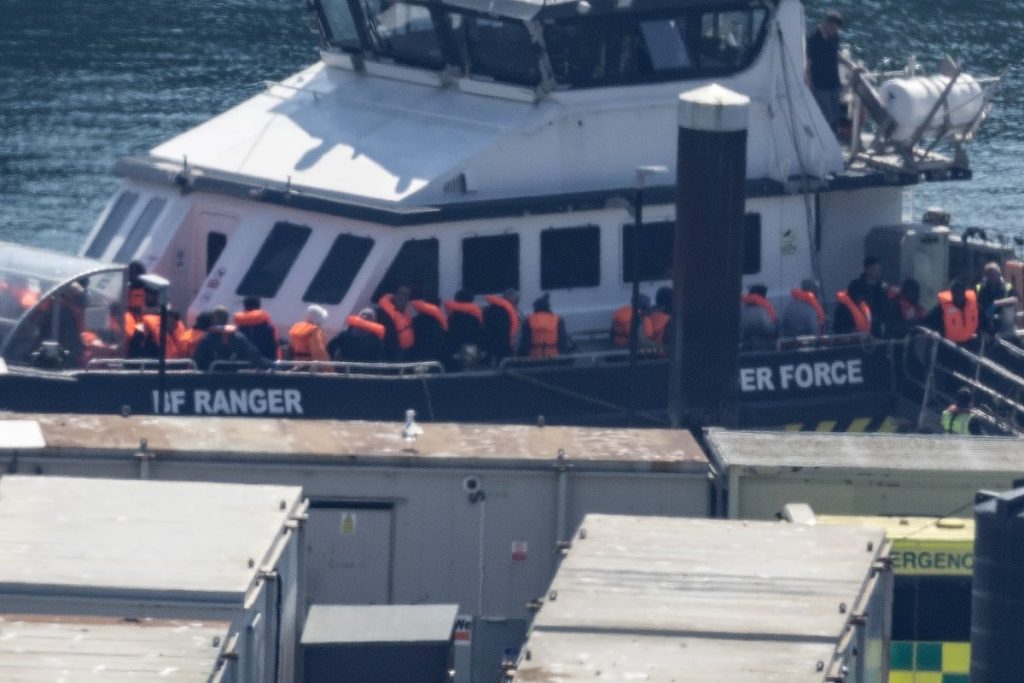
The United Kingdom has reached a somber and significant milestone in its immigration history. As of 2026, official Home Office data confirms that more than 200,000 migrants have successfully arrived in the UK via small boat crossings across the English Channel since records began in 2018. This figure, which stood at 200,013 following arrivals in Dover this past Friday, marks a complex chapter in British border policy, political debate, and humanitarian concern.
While the numbers represent a human journey often fraught with peril, they also serve as a focal point for ongoing national debates regarding asylum systems, border security, and international cooperation.
The Evolution of the Channel Crisis (2018–2026)
To understand how we arrived at this 200,000 threshold, it is essential to look at the trajectory of these crossings. In 2018, the phenomenon was relatively nascent, with just 299 recorded arrivals. However, the scale of the operation changed rapidly over the following years.
2018-2020: The period began with low numbers, but by 2020, the annual total had already climbed to 8,466.
2021-2023: This period saw a massive surge, peaking in 2022 with 45,774 arrivals in a single calendar year.
2024-2026: While the Labour government took power in July 2024, the trend continued, with 36,816 arrivals in 2024 and 41,472 in 2025.
Current data for 2026 shows a slight deceleration, with 7,380 arrivals recorded so far. This represents a 36% decrease compared to the same period in 2025. Despite this cooling trend, the sheer volume of people attempting the crossing remains a primary challenge for policymakers.
Analyzing the Human Cost and Boat Capacity
Beyond the raw statistics, the nature of the crossings has shifted. One of the most alarming trends identified by analysts is the increase in the number of people packed into individual vessels.
In 2018, the average boat carried roughly seven people. By 2025, that figure had risen to 62, and in 2026, it has climbed further to an average of 64. This increase in density highlights the dangerous tactics employed by smuggling gangs to maximize profit, often at the expense of passenger safety.
The human toll has been devastating. While there is no official, singular registry for all fatalities, the English Channel has become one of the most dangerous maritime routes in Europe. 2024 is now considered the deadliest year on record, with 50 recorded deaths by the French coastguard. The tragic reality is that for every successful arrival, there is a mounting risk of loss of life, as evidenced by recent incidents involving women and children.
Political Shifts and Policy Overhauls
The 200,000 milestone encompasses the tenures of multiple administrations. Approximately 64% of these arrivals occurred under various Conservative governments, spanning the leadership of Theresa May, Boris Johnson, Liz Truss, and Rishi Sunak. Since Labour assumed power in July 2024, they have been responsible for the remaining 36% of the total recorded arrivals.
The End of the Rwanda Policy
One of the most defining moments in recent migration policy was the Labour government’s decision to scrap the multimillion-pound Rwanda deal. Originally designed as a deterrent for those entering the UK illegally, the policy resulted in only four volunteers being sent to Rwanda before it was abandoned.
This decision has triggered a complex legal fallout. The Rwandan government is currently seeking over £100 million in compensation, alleging that the UK breached the terms of their agreement. The UK government, supported by its legal counsel, continues to contest these claims, marking a period of diplomatic strain.
New Strategies for 2026
Home Secretary Shabana Mahmood is currently leading a shift in strategy. The government’s current approach focuses on:
- Enhanced Cooperation: A £662 million, three-year agreement with France to bolster beach patrols and disrupt the smuggling networks at the source.
- Asylum Reform: Proposals to make refugee status temporary and streamline the deportation process for those who do not qualify for asylum.
- Deterrence: Shifting the focus from expensive offshore processing to faster, domestic processing that discourages the “hope” of permanent settlement for those arriving via irregular routes.
Why the Numbers Are Still High
Despite various interventions, the number of arrivals remains high for several reasons. Global instability, regional conflicts, and the lure of the UK’s labor market continue to drive migration flows. Furthermore, the criminal gangs facilitating these crossings have become more sophisticated, utilizing larger, more durable boats and adapting to the patrols conducted by French and British authorities.
The “pull factor” remains a point of intense political debate. Critics of current policies argue that without a robust, enforced deterrent, the incentive to cross will remain. Conversely, humanitarian groups argue that the focus should be on creating safe, legal routes to prevent the necessity of such dangerous sea journeys.
The Future of UK Border Control
As we look ahead through the remainder of 2026 and into 2027, the government faces a daunting task. Maintaining a reduction in arrivals is critical for public trust, yet the complexities of international law and the realities of global migration make a simple “solution” unlikely.
The 200,000 figure is more than just a data point; it is a reflection of a global crisis that has landed on British shores. Whether the current strategy of increased cooperation with France and domestic asylum reform will yield long-term results remains to be seen. What is clear is that the Channel crossing issue will continue to dominate the political landscape, requiring a delicate balance between national security, humanitarian obligation, and fiscal responsibility.
Key Statistics at a Glance
Total Arrivals (2018–2026): 200,013
Average Boat Occupancy (2026): 64 people
2026 Progress: 16% lower than this time in 2024
- Primary Focus: Disrupting smuggling gangs and reforming asylum status
As the government continues to refine its approach, the eyes of the public and international observers remain firmly fixed on the waters of the English Channel. The debate over how to manage these borders—and how to treat those who cross them—will undoubtedly shape the next era of British governance.