Surgical Disruptions: Why This Canadian Hospital Suspended Operations Due to Ants

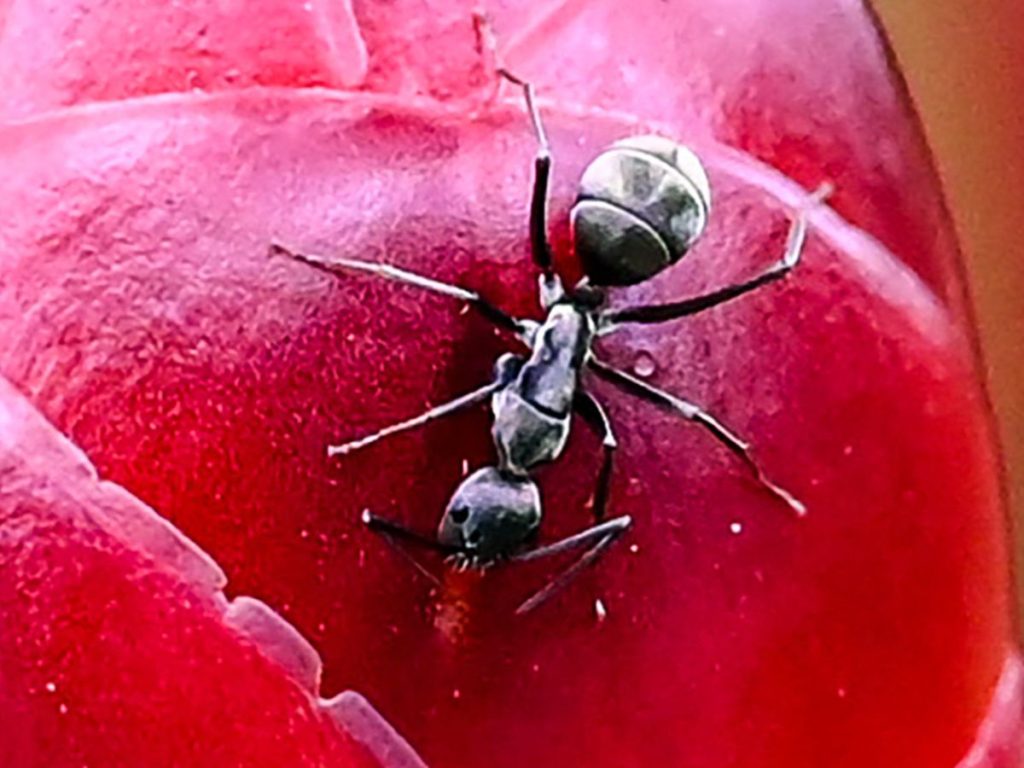
In the quiet, agricultural town of Carman, Manitoba, a peculiar and frustrating medical crisis has emerged that highlights the fragility of modern healthcare infrastructure. As of 2026, the Carman Memorial Hospital has been forced to postpone a series of elective surgeries. The culprit? An recurring presence of ants within the sterile environment of the operating room (OR).
While hospital administrators are careful to avoid the term “infestation,” the reality of the situation has necessitated a complete pause in surgical activity. For a facility serving a community of 3,000 residents, this disruption is not just a logistical headache—it is a stark reminder of the uncompromising standards required to maintain a sterile medical environment.
The Sterile Threshold: Why Even One Ant Matters
To the average person, the sight of a few ants in a kitchen or a basement might be a minor nuisance. However, within the context of a hospital operating room, the presence of any insect is considered a critical breach of safety protocols.
The Zero-Tolerance Policy
Operating rooms are designed to be “clean rooms.” They utilize HEPA filtration, strictly controlled airflow, and rigorous sanitization protocols to prevent surgical site infections (SSIs). When an insect is detected, it introduces the risk of pathogens into a space where patients are at their most vulnerable.
Microbial Contamination: Ants can carry bacteria, fungi, and other contaminants on their bodies.
Sterility Integrity: The presence of pests compromises the “sterile field,” rendering the OR unsafe for invasive procedures.
Public Trust: A hospital must maintain an environment that patients trust implicitly; the sight of insects can erode that confidence immediately.
A Recurring Nightmare: A Three-Year Struggle
The situation at Carman Memorial Hospital is particularly concerning because it is not an isolated event. This marks the third consecutive year that the facility has struggled with this issue.
Timeline of the Ant Incursion
- August 2024: The first detection of ants occurred. At the time, the health authority believed the issue was resolved within a few weeks.
- Summer 2025: The ants reappeared, prompting the regional health authority, Southern Health-Santé Sud, to implement secondary measures.
- 2026 Resurgence: The seasonal return of the insects has forced officials to acknowledge that standard pest control methods are insufficient, necessitating a more aggressive, long-term strategy.
Infrastructure Vulnerabilities in Rural Healthcare
The Carman Memorial Hospital, built in 1982, serves as a case study for the challenges facing aging healthcare infrastructure in rural Canada. As buildings age, their structural integrity—especially foundations and exterior seals—can degrade, creating entry points for opportunistic pests.
Why Older Facilities Face Higher Risks
Foundation Cracks: Over decades, the concrete foundations of older buildings can develop hairline fractures. These are often invisible to the naked eye but serve as “highways” for ants and other insects.
HVAC Systems: Aging ventilation systems can sometimes provide pathways for pests to travel from the exterior of the building into sensitive interior zones.
Agricultural Proximity: Located in the heart of Manitoba’s Pembina Valley, Carman is surrounded by farmland. The natural habitat of various ant species is literally at the hospital’s doorstep, making it a constant battle against the local ecosystem.
Professional Extermination and Long-Term Solutions
The Southern Health-Santé Sud authority has confirmed that they are currently working with professional exterminators to identify the specific source of the entry. Unlike a standard residential pest control call, this requires a surgical approach to the building’s architecture.
The Strategy for Remediation
The health authority has indicated that “extensive measures” are now underway. This typically involves:
- Identification: Determining the species of the ant (e.g., carpenter ants, pharaoh ants, or odorous house ants) is critical, as each species responds to different baiting systems.
- Sealing the Envelope: Professionals are inspecting every inch of the hospital’s perimeter to seal cracks in the foundation and exterior walls.
- Integrated Pest Management (IPM): This involves removing food and water sources that attract insects, ensuring that the hospital’s waste management and breakroom areas are completely sealed off from the rest of the facility.
The Impact on Patients and Community
The most significant casualty of this situation is not the hospital’s reputation, but the patients themselves. With 16 elective surgeries initially rescheduled, the ripple effect on patient health and local morale is palpable.
Navigating the Rescheduling Process
The hospital has reached out to all affected patients to coordinate new surgery dates. In some cases, this may involve transferring care to other regional facilities. For a town of 3,000, being sent to a facility 40 minutes away in Winnipeg or elsewhere can be a significant burden for elderly patients or those without reliable transportation.
The Broader Lesson: Infrastructure as Patient Safety
The situation in Carman, Manitoba, serves as a wake-up call for healthcare boards across Canada. It demonstrates that patient safety is not solely dependent on the skill of the surgeons or the quality of the medical equipment; it is fundamentally tied to the physical integrity of the building itself.
Applying the Pareto Principle to Hospital Maintenance
In management, the Pareto Principle (the 80/20 rule) suggests that 80% of problems are often caused by 20% of the causes. In the case of hospital maintenance, investing in the “boring” stuff—like sealing foundations, modernizing HVAC filters, and proactive pest monitoring—can prevent the catastrophic failure of surgical services.
Conclusion: Looking Toward a Sterilized Future
As of 2026, the staff at Carman Memorial Hospital remains committed to resolving this issue. While the situation is undoubtedly frustrating, it highlights the rigorous, uncompromising nature of surgical standards. Hospitals are meant to be sanctuaries of healing, and maintaining that sanctuary requires constant vigilance against even the smallest intruders.
The path forward for Carman involves a combination of structural fortification and a renewed commitment to facility maintenance. By addressing the root causes of the ant entry, the hospital hopes to ensure that when a patient walks into the operating room, their only concern is their recovery—not the environment around them.
Frequently Asked Questions (FAQ)
Q: Are the ants dangerous to patients?
A: While the ants themselves aren’t necessarily “attacking” patients, their presence in a sterile field is a major health hazard because they can carry pathogens that cause post-operative infections.
Q: Will the hospital be closed permanently?
A: No. The hospital remains open for other services. Only elective surgeries have been suspended to ensure the OR remains a sterile environment.
Q: How can I find out if my surgery is affected?
A: Patients scheduled for elective procedures at Carman Memorial Hospital should contact the facility directly or wait for the regional health authority to provide updates regarding their specific case.
Q: Why do ants keep coming back?
A: If the primary entry points (cracks in the foundation) are not sealed correctly, or if the colony is not effectively baited, ants will continue to seek out the moisture and food sources inside a building.