Unsealed and Unsettling: The Truth Behind Jeffrey Epstein’s Alleged Suicide Note

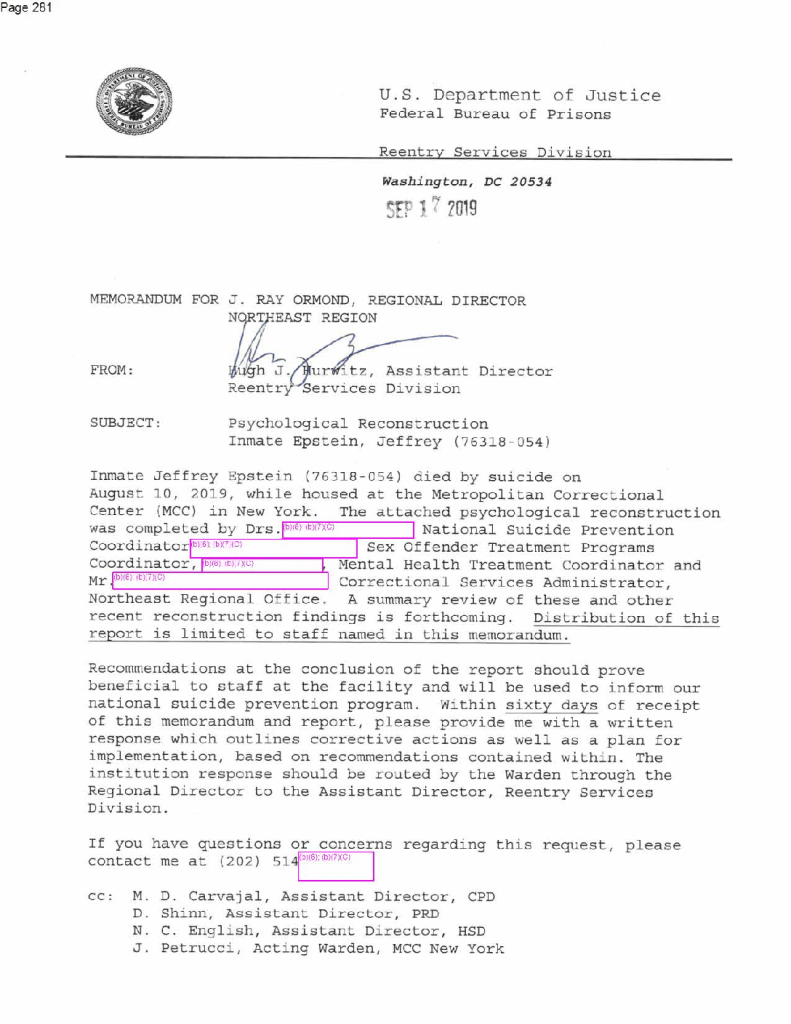
Years after the world was rocked by the death of convicted sex offender Jeffrey Epstein in a Manhattan jail cell, the mystery surrounding his final days continues to captivate the public imagination. As of 2026, the legal system remains busy peeling back layers of a case that has refused to stay buried. A recent judicial order by U.S. District Judge Kenneth Karas has finally brought a long-hidden document into the light: a handwritten note purportedly penned by Epstein himself.
For years, this document sat in a courthouse vault, sealed away as part of a separate legal proceeding involving Epstein’s former cellmate, Nicholas Tartaglione. Now that the veil of secrecy has been lifted, the contents of this note provide a chilling, if unverified, glimpse into the mind of one of the 21st century’s most controversial figures.
The Discovery: A Note Hidden in Plain Sight
The story of this note is almost as dramatic as the legal fallout that followed it. According to reports, the document was discovered by Nicholas Tartaglione, a former police officer who shared a cell with Epstein at the Metropolitan Correctional Center (MCC) in New York City.
The note was reportedly recovered after a failed suicide attempt in July 2019, roughly a month before Epstein’s eventual death on August 10, 2019. Tartaglione claimed the note had been tucked inside a book—a graphic novel—where it remained until it was turned over to authorities as evidence. For nearly five years, the public was denied access to its contents, fueling intense speculation about what the financier might have written in his final weeks of life.
Analyzing the Contents: What Did Epstein Write?
The released note is brief, fragmented, and undeniably dark. While its authenticity remains a point of debate among forensic experts and legal analysts, the text provides a window into the psyche of a man who knew his world was collapsing.
The note contains several jarring lines:
“They investigated me for months — Found NOTHING!!!” – This reflects a defiant, perhaps delusional, perspective on the federal investigation into his sex trafficking operations.
“It is a treat to be able to choose one’s time to say goodbye.” – This line suggests a calculated approach to his situation, hinting at a loss of control that he was attempting to reclaim.
“Watcha want me to do — Bust out cryin!! No fun — NOT WORTH IT!!” – These final, cynical remarks highlight a lack of remorse that characterized much of the criticism directed at Epstein during his trial.
The document is unsigned and undated, which complicates its role in the official narrative. However, the release of this text serves as a reminder of the chaotic environment at the MCC during the summer of 2019.
Why the Delay? The Legal Battle for Transparency
The public release of this note was not a voluntary act by the justice system; it was the result of a persistent legal challenge led by The New York Times*. For years, the document was held under seal because it was tied to the criminal case of Nicholas Tartaglione.
Judicial caution often dictates that evidence in unrelated cases should remain private to protect the integrity of ongoing proceedings. However, given the massive public interest in the Epstein case, Judge Karas ultimately sided with the argument that the public’s right to know outweighed the potential sensitivity of the document.
This transparency is a hallmark of the ongoing “Epstein files” saga. As we move further into 2026, the courts are frequently petitioned to release grand jury transcripts, plea deal documents, and internal prison records. Each release acts as a new puzzle piece, though many observers argue that the pieces are too few to form a complete picture of the systemic failures that allowed Epstein’s death to occur.
The Context: A Death That Ignited a Thousand Theories
The official ruling on Epstein’s death—suicide by hanging—has done little to quell the conspiracy theories that have circulated since 2019. The combination of missing CCTV footage, the failure of guards to perform required wellness checks, and the high-profile nature of the individuals connected to Epstein’s orbit created a “perfect storm” for skepticism.
The release of this note adds a layer of complexity. If the note is authentic, it supports the idea that Epstein had been contemplating suicide for some time. Critics, however, argue that the note could have been planted or coerced, or that it simply serves as a distraction from larger questions about potential accomplices who have yet to face justice.
The Role of Prison Security Failures
The fact that a suicide note could be hidden inside a book, and that a high-profile prisoner could make multiple attempts on his own life, speaks to the profound security lapses at the MCC. The facility has since been subject to intense scrutiny, with federal investigators highlighting chronic staffing shortages and administrative negligence.
2026 Perspective: The Long Shadow of the Epstein Case
As we look at the case from the vantage point of 2026, the Epstein saga is far from closed. The political repercussions continue to ripple through both the United States and the United Kingdom, impacting reputations and forcing institutional reforms.
The release of this note is a symbolic milestone. It represents the slow, grinding process of accountability. While the note itself does not provide a “smoking gun” that solves the mystery of the financier’s death, it serves as a grim reminder of the final days of a man who wielded immense power and influence.
Key Takeaways for the Public
- Transparency Matters: The success of media organizations in unsealing court records remains the most effective tool for maintaining public trust in the judiciary.
- Evidence vs. Proof: A document being “released” does not automatically mean it is “truth.” Forensic analysis of such notes remains critical to understanding their origins.
- Institutional Accountability: The Epstein case continues to serve as a case study for failures in the federal prison system, prompting ongoing debates about inmate safety and oversight.
Conclusion
The unsealing of Jeffrey Epstein’s alleged suicide note is more than just a headline; it is a chapter in a much larger story of power, corruption, and institutional failure. While the note provides a chilling, personal insight into the mind of a convicted sex offender, it also highlights how much information remains locked away in legal vaults.
As the years pass, the legal system will likely continue to release documents related to this case. Whether these revelations will finally satisfy the public’s search for the “whole truth” remains to be seen. For now, the note stands as another piece of evidence in one of the most scrutinized death investigations in modern history.