Justice After the Caliphate: Inside the Prosecution of Australian Women Linked to IS

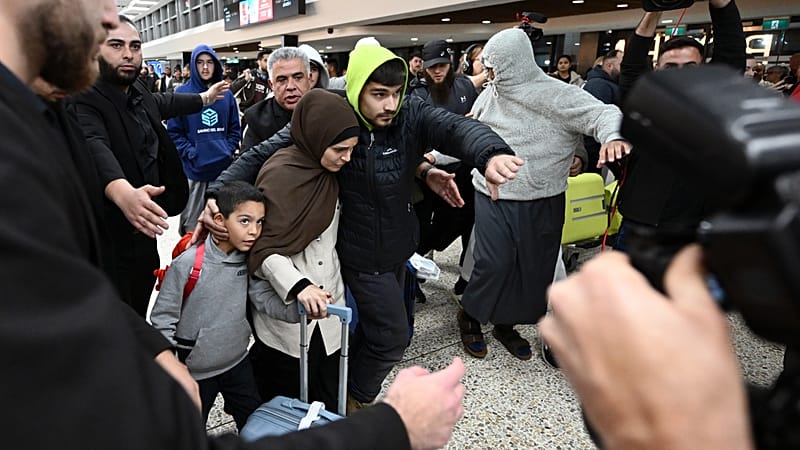
The repatriation of Australian citizens from the fractured landscapes of northeastern Syria has long been a subject of intense national debate. In May 2026, that debate shifted from the halls of government to the doors of the judiciary. Following the return of a group of four women and nine children from the Roj detention camp, Australian authorities moved swiftly, arresting three of the women upon their arrival on Australian soil.
The gravity of the allegations—ranging from crimes against humanity to slavery and terrorism offences—has sent shockwaves through the Australian legal and political landscape. As these individuals face the reality of the Australian justice system, the nation is forced to confront the dark legacy of the Islamic State’s (IS) so-called caliphate and the complex moral, legal, and security challenges posed by those who lived within it.
The Charges: A Legal Reckoning for Alleged Atrocities
The legal proceedings in Melbourne and Sydney represent a significant milestone in Australia’s efforts to hold citizens accountable for actions taken abroad during the peak of the IS insurgency between 2014 and 2015. The charges are not merely related to membership in a terrorist organization; they involve specific, harrowing allegations of human rights abuses.
Kawsar Abbas and Zeinab Ahmed: Allegations of Enslavement
In Melbourne, 53-year-old Kawsar Abbas and her 31-year-old daughter, Zeinab Ahmed, appeared before the court facing charges that have drawn international condemnation. Prosecutors allege that the two women participated in the dehumanizing practice of buying a Yazidi woman as a slave for the sum of $10,000.
For Kawsar Abbas, the charges are particularly severe, including four counts of crimes against humanity. Her daughter, Zeinab Ahmed, faces two counts of slavery-related offences. Under Australian law, these crimes carry potential sentences of up to 25 years imprisonment, reflecting the state’s commitment to prosecuting international crimes with the utmost severity.
Janai Safar: Terrorism and Border Security
In Sydney, the focus shifted to 32-year-old Janai Safar. She has been charged with being a member of a terrorist organization and entering a region controlled by such a group. Unlike the slavery charges leveled against the Melbourne pair, Safar’s case centers on the logistics of joining and maintaining presence within an IS-controlled territory. Despite her legal counsel citing “exceptional grounds” for release—specifically the welfare of her child—the court denied her bail, underscoring the perceived flight risk and the danger posed by those returning from conflict zones.
The Human Cost: Repatriation and Responsibility
The return of these women and children from the Roj camp in the Syrian desert was the result of a long, arduous process involving international coordination and domestic security assessments. The Roj camp, which continues to hold thousands of women and children displaced from former IS strongholds, has been a flashpoint for humanitarian concerns for years.
The Government Stance: “Zero Sympathy”
Prime Minister Anthony Albanese has maintained a firm, uncompromising stance regarding the adults involved. Expressing “zero sympathy” for those who chose to travel to Syria to align themselves with a terrorist organization, the Prime Minister highlighted the sharp distinction between the women’s choices and the status of the children.
“The children are victims of their parents’ decisions,” the Prime Minister noted during a press briefing. This sentiment reflects the broader Australian sentiment: a desire to protect the vulnerable children caught in the crossfire of their parents’ radicalization, while ensuring that those who participated in the IS ideology face the full weight of the law.
Investigating the Caliphate’s Legacy
The arrests are not the end of the story. Australian authorities are currently engaged in a massive, ongoing investigation into the conduct of Australian citizens who traveled to Syria. The complexity of gathering evidence from a conflict zone that has been under the control of various factions for over a decade cannot be overstated.
Challenges in Prosecution
Evidence Collection: Proving crimes like slavery, which occurred years ago in a chaotic environment, requires meticulous documentation and witness testimony, much of which is difficult to retrieve from the Roj camp.
International Cooperation: The Australian government relies heavily on cooperation with Kurdish forces and international intelligence agencies to track the movements and actions of these individuals.
- Legal Precedent: These cases are setting new precedents for how Australia handles domestic terrorism and international human rights violations in a post-IS world.
With over 20 Australian women and children still remaining in camps in Syria, the Australian government faces a persistent dilemma: the ethical imperative to rescue children from squalor versus the security imperative to prevent the return of potentially radicalized individuals who may have played a role in the atrocities of the caliphate.
The Broader Impact on National Security
The return of these women raises significant questions about the long-term rehabilitation and monitoring of individuals who have been immersed in extremist ideologies. The Australian Federal Police (AFP) and the Australian Security Intelligence Organisation (ASIO) have made it clear that those returning are subject to intensive oversight.
The denial of bail for all three women is a clear signal from the judiciary that the state views these charges as a matter of significant public interest and safety. The courts are prioritizing the integrity of the legal process and the gravity of the alleged offenses over the personal circumstances of the defendants.
Conclusion: A Nation Grapples with Its Past
The events of May 2026 serve as a stark reminder that the war against the Islamic State did not end when the physical territory of the caliphate was dismantled. For Australia, the conflict has returned home in the form of legal battles, ethical dilemmas, and the difficult process of seeking justice for victims of slavery and terrorism.
As the trials proceed, the Australian public will be watching closely. These cases are not merely about the guilt or innocence of three individuals; they are about the values of a society that refuses to turn a blind eye to crimes against humanity, even when they occur thousands of miles away. Whether through the lens of national security or the lens of international human rights, the path forward for these women and the remaining Australians in Syria remains a critical chapter in Australia’s modern history.