Trade War Turbulence: Court Deals Major Blow to Trump’s 10% Global Tariff Agenda

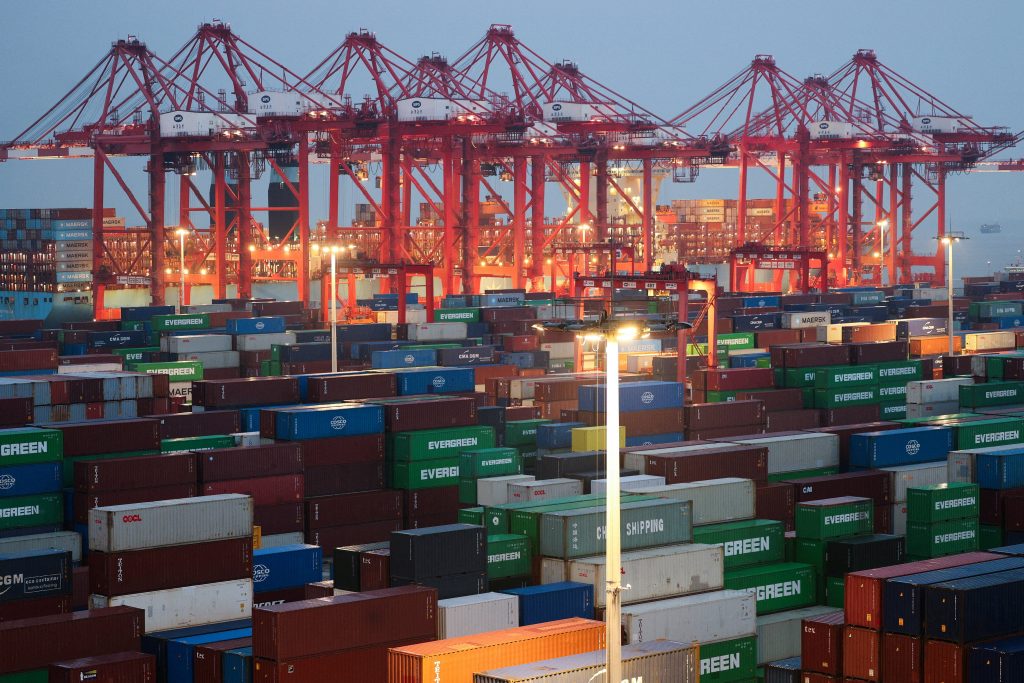
The year 2026 has proven to be a watershed moment for American trade policy, characterized by a high-stakes tug-of-war between the White House and the federal judiciary. In a landmark decision that has sent ripples through global supply chains, the U.S. Court of International Trade has ruled against President Donald Trump’s 10% global tariff, a significant imposition of import duties, effectively stalling a core pillar of his economic strategy. This decision means the Court delivers another blow to Trump trade agenda, rules against 10% tariff, further shaping the economic landscape.
This ruling, which follows a string of legal challenges, marks the second time this year that the judiciary has acted as a check on executive power regarding international commerce, intensifying ongoing trade disputes. Indeed, the Court delivers another blow to Trump trade agenda, rules against 10% tariff, as businesses scramble to understand the broader trade policy implications. The ruling highlights the deepening tension between the administration’s “America First” trade agenda, a clear stance of economic protectionism, and the statutory limitations imposed by the 1974 Trade Act.
The Legal Breakdown: Why the Court Struck Down the Tariffs
The core of the dispute lies in the administration’s interpretation of executive and presidential authority. After the Supreme Court struck down the President’s initial use of the International Emergency Economic Powers Act (IEEPA) in February, the White House pivoted to Section 122 of the Trade Act of 1974, a key component of international trade law. This latest development, where the Court delivers another blow to Trump trade agenda, rules against 10% tariff, underscores the ongoing legal challenges.
This specific statute allows the President to impose temporary tariffs—not exceeding 150 days—or customs duties to address significant “balance-of-payments” deficits. However, a three-judge panel at the Court of International Trade ruled 2-1 that the administration failed to meet the legal threshold required to trigger these powers, confirming that the Court delivers another blow to Trump trade agenda, rules against 10% tariff.
Failure to Assert Necessary Conditions
The court’s majority opinion emphasized that the administration did not adequately demonstrate that the specific conditions required by the 1974 Act were satisfied. Simply declaring a specific tariff rate is insufficient under the law; the government must provide a rigorous justification that the economic state of the nation necessitates such drastic intervention. Because the administration’s order lacked this essential evidentiary assertion, the panel deemed the 10% levy unlawful.
Impact on American Businesses: A Sigh of Relief for Importers
The legal challenge was spearheaded by a diverse coalition, including 24 states and private enterprises like the spice importer Burlap & Barrel and the toy manufacturer Basic Fun!. This coalition celebrated as the Court delivers another blow to Trump trade agenda, rules against 10% tariff. While the court noted that many of the states lacked legal standing to pursue the lawsuit, the victory for the private companies is significant.
For companies that rely on global manufacturing to source components, the 10% tariff was more than just a tax—it was an existential threat to their margins and a cause of potential supply chain disruption. Jay Foreman, CEO of Basic Fun!, hailed the decision as a vital win for American competitiveness, particularly after the Court delivers another blow to Trump trade agenda, rules against 10% tariff.
Supply Chain Stability: Businesses can now potentially reclaim funds or stop the accrual of these levies on imports.
Reduced Operational Costs: By removing the 10% surcharge, companies can avoid passing the “tariff tax” onto the American consumer.
- Market Certainty: The ruling provides a temporary reprieve from the volatility that has defined the 2026 business climate.
The Administration’s Response: “We Always Do It a Different Way”
President Trump has maintained a defiant posture regarding the judicial setbacks, even after the Court delivers another blow to Trump trade agenda, rules against 10% tariff, signaling a continued commitment to economic protectionism. In the wake of the ruling, the President expressed little surprise, suggesting that the judiciary is merely another obstacle to be navigated. “Nothing surprises me with the courts,” the President remarked on May 7. “So we always do it a different way. We get one ruling and we do it a different way.”
This rhetoric suggests that the White House is far from abandoning its protectionist goals, despite the fact that the Court delivers another blow to Trump trade agenda, rules against 10% tariff. Historically, the administration has utilized a “trial and error” approach to trade enforcement, pivoting to new legal frameworks whenever one is struck down, often testing the boundaries of international trade law. Whether this involves new executive orders, revised justifications under the 1974 Act, or other legislative maneuvers remains to be seen.
The Broader “Second Term” Agenda
The struggle over tariffs is emblematic of the broader friction between the executive and judicial branches during this second term. The Supreme Court’s February order, which labeled the use of emergency powers for tariffs as unconstitutional, set a precedent that has emboldened lower courts to scrutinize the administration’s trade actions and presidential authority more closely. The President’s public frustration—characterized by his critique of the Supreme Court’s “lack of courage”—reflects the high political stakes involved in these economic decisions.
Analyzing the Economic Fallout: Global Trade in 2026
The global reaction to these shifting U.S. policies has been one of cautious observation, especially after the Court delivers another blow to Trump trade agenda, rules against 10% tariff. Trading partners, particularly those in the EU, Asia, and North America, have been closely monitoring the courtroom battles to determine if they need to retaliate or adjust their own trade agreements in light of evolving international trade regulations.
Exemptions and Exclusions
It is important to note that the 10% tariff was not entirely universal even before the court stepped in. The administration had carved out exemptions for specific categories, including:
- Critical Commodities: Beef, tomatoes, and oranges.
- Essential Goods: Pharmaceuticals and certain critical minerals.
- Strategic Partners: Products covered under existing trade deals with Canada and Mexico, often part of broader free trade agreements.
Despite these exemptions, the overall economic impact was considered broad enough to trigger the legal backlash that led to this week’s ruling.
Future Outlook: What Happens Next?
As we look toward the remainder of 2026, the question remains: how will the administration respond to this judicial roadblock, particularly now that the Court delivers another blow to Trump trade agenda, rules against 10% tariff? There are three likely scenarios:
1. The Appeal Process
The Department of Justice may seek to appeal the ruling, potentially escalating the issue back toward the Supreme Court. However, given the Supreme Court’s previous ruling against the administration’s broader emergency tariff plans, the legal path forward is narrow.
2. Legislative Maneuvering
The administration could attempt to work with Congress to pass new legislation that explicitly grants the executive branch the authority to impose these tariffs. This would require significant bipartisan support, which remains elusive in the current political climate.
3. Regulatory Refinement
The administration might attempt to re-issue the tariffs with a more robust legal justification, specifically addressing the “balance-of-payments” requirements cited by the court. By creating a more detailed administrative record, they hope to survive the next round of judicial review.
Conclusion: The Resilience of the Rule of Law
The recent ruling by the U.S. Court of International Trade, where the Court delivers another blow to Trump trade agenda, rules against 10% tariff, is a testament to the checks and balances inherent in the American system. Regardless of one’s political stance on trade protectionism, the court’s decision underscores a fundamental principle: executive power, even in the realm of international trade, is not absolute.
For businesses and consumers, the current landscape remains fluid. As the administration prepares its next move following the decision where the Court delivers another blow to Trump trade agenda, rules against 10% tariff, the global economy continues to adapt to the reality that U.S. trade policy and its broader trade policy implications are being shaped as much by the courtroom as it is by the Oval Office. Stakeholders across the globe will be watching closely to see if the White House can find a legal pathway for its agenda or if it will be forced to rethink its approach to global trade entirely.
The battle for the future of American trade is far from over, and the legal dramas of 2026 serve as a reminder that the path toward economic transformation is rarely straightforward.